






Hey, imagine scrolling through your social media feed one day and coming across all these urgent posts claiming that a massive famine is raging in Gaza—stories of starving kids, empty bakeries, and blocked aid trucks painting a picture of total despair. It’s the kind of stuff that tugs at your heartstrings, especially with so much talk about the region’s conflicts. But before you hit like or share, let’s dig into the other side of the story, based on solid data from trusted sources like the United Nations and the Israeli military. The reality, it turns out, looks a whole lot different from what those viral posts are pushing. We’re talking about concrete numbers that challenge the idea of widespread starvation, showing instead that humanitarian efforts are ramping up and malnutrition cases are dropping faster than you might think. It’s like those alarmist headlines are part of a bigger game, where misinformation spreads like wildfire to sway public opinion and put political pressure on countries involved in the peace process. As someone who’s always skeptical of online narratives, this makes me wonder: how much of what we see is real, and how much is crafted to manipulate emotions? Let’s break it down step by step, drawing from reports shared at a key international meeting, and see how things are actually playing out on the ground.
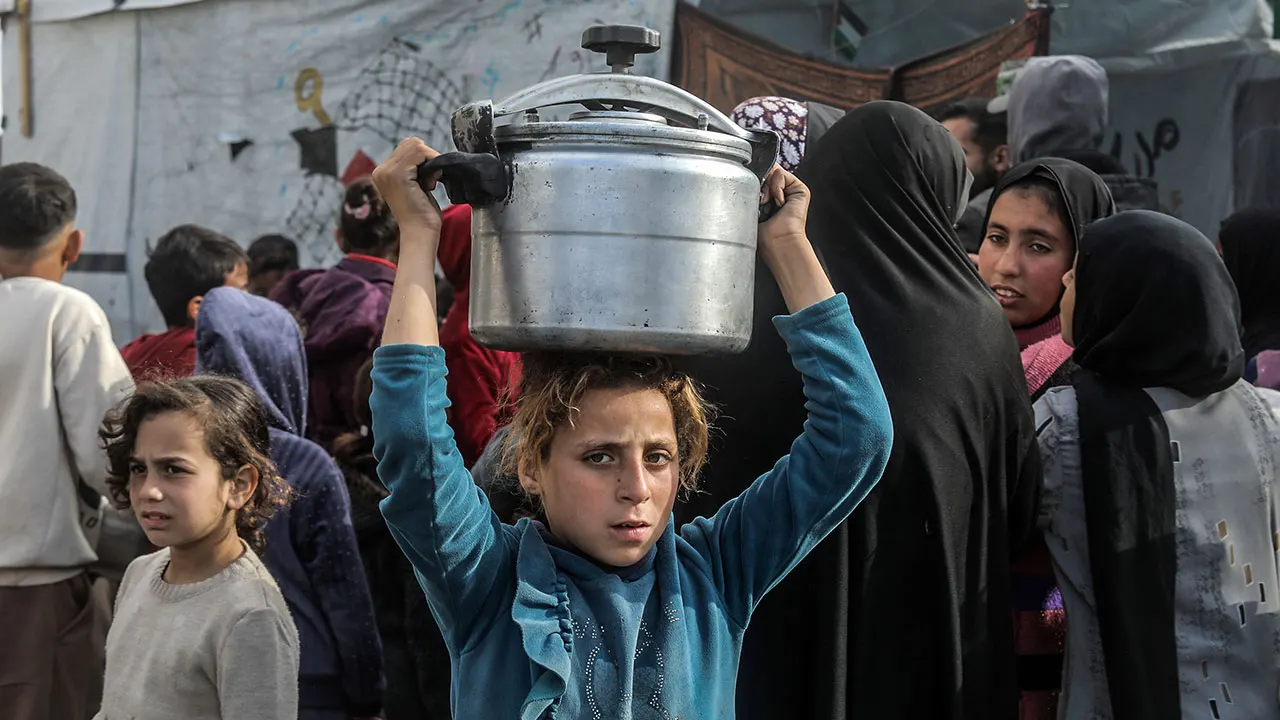
Zooming in on the health side of things, the data paints a starkly positive picture of recovery in Gaza, even amid all the chaos we’ve heard about. Specifically, looking at children from 6 months to 5 years old—who are often the most vulnerable in these situations—the number of kids admitted for treatment of severe acute malnutrition spiked to 17,384 cases back in August 2025. That’s a high point that likely had everyone worried, right? You can picture the headlines at the time: dire warnings about an humanitarian catastrophe unfolding. But fast-forward to March 2026, and those numbers have plummeted to just 3,043 cases—an incredible drop of about 83% in just seven months. It’s not just a small dip; it’s a significant turnaround that tells a story of improving access to food and medical care. And here’s the kicker: the cases that remain aren’t mostly the severe type anymore. Most are now categorized as “moderate” malnutrition, or they’re tied to long-term health issues like genetic conditions or chronic illnesses that need ongoing support, not emergency famine interventions. For parents like me, thinking about kids in tough spots, this shift feels reassuring—it suggests that while challenges persist, the system is adapting and delivering results. Of course, every case is a real human story, with families striving to get their little ones the nourishment they need, but the overall trend counters the doom-and-gloom claims that keep circulating.
Now, let’s talk about the backbone of all this: the humanitarian aid that’s been flooding into Gaza since things started stabilizing. Back in late 2025, the U.S.-led Civil-Military Coordination Center (or CMCC for short) kicked off in Israel, acting as a hub to organize relief efforts post-war. This multinational operation, involving 60 countries and groups, hasn’t just been a fancy name—it’s been a game-changer for getting supplies where they’re needed. Before the CMCC took over, weekly truck deliveries into Gaza were hovering around 1,300, and shockingly, about 90% of those were getting diverted or blocked along the way, leaving communities scrambling. But after the center started running things, deliveries jumped to around 4,200 trucks per week, and diversions dropped to a tiny 1%. That’s efficiency in action, folks—imagine the difference that makes for families waiting on essentials like flour, canned goods, or baby formula. On top of that, the number of people getting fed through this aid network soared from roughly 400,000 to over 2.1 million. It’s like switching from a trickle to a torrent, and while we all know war and disruptions can cause hiccups—like temporary holdups during the Iran conflict—crossings reopen quickly, and aid flows resume. As a taxpayer, I can’t help but feel good knowing American-led initiatives are part of this success, coordinating ceasefires and monitoring to keep things on track. It’s a reminder that when international cooperation kicks in, progress isn’t just possible; it’s measurable and impactful.
Despite all this progress, though, you wouldn’t know it from the storm of messages popping up lately, especially in April. Social media’s been buzzing with allegations that Israel is deliberately engineering starvation in Gaza—claims of blocked medical supplies, shut-down bakeries, and an “entire generation” of kids at risk of permanent harm. It started small, with posts about luxuries like soda and Nutella making it in while aid supposedly gets stopped, and it escalated fast, thanks to viral sharing from Hamas-linked accounts to mainstream platforms. Groups like HonestReporting, a pro-Israel watchdog with some clever AI tools, tracked this surge and found it’s no coincidence. Their CEO, Jacki Alexander, told reporters that by April 13th, patterns were clear: these stories, often boosted by outlets like Al Jazeera or Middle East Eye, are designed to fuel outrage. Alexander described it as “narrative warfare,” where Hamas leverages misinformation to gain leverage in talks. You know, I’ve seen similar tactics in debates online—innocent-sounding shares that turn into echo chambers of fear. It’s frustrating because it undermines the real work being done, like rebuilding bakeries and restocking shelves. Alexander’s team is fighting back by documenting these trends, hoping to shine a light on the truth and show how quickly lies can spread across the globe, reaching millions of views in days. As someone who values facts over hype, it’s a stark lesson in why we need to fact-check before amplifying these claims.
Experts I’ve come across, like Richard Goldberg from the Foundation for Defense of Democracies, agree this is a calculated move. He views it as part of a broader strategy where humanitarian crises get weaponized, timing these famine rumors to coincide with diplomatic pushes—like pressuring Hamas to disarm amid U.S., Arab, and international efforts to reshape Gaza’s future. Goldberg pointed out that Hamas, feeling isolated, doesn’t want to give up power, so they resurrect scare tactics to fracture coalitions. But here’s the hopeful part: unlike earlier in the war, when claims could go unchallenged, now there’s a “brick wall” of data and eyewitnesses. Months of ceasefire mean the U.N. and partners are directly on the ground, verifying aid flows that are way above baseline needs—think 600 trucks a day versus the 115-130 needed. It’s hard for disinformation to stick when facts are flooding in. Goldberg emphasized that what worked against Israel alone before won’t cut it against a global alliance. I appreciate this perspective because it shifts the narrative from sympathy for suffering to accountability for those spreading false alarms. It reminds me of how, in any crisis, truth-telling can be more powerful than propaganda.
Finally, straight from the source, Israeli officials are echoing this with their own insider views. A senior military official told Fox News that the current aid levels make famine talk “completely false”—it’s impossible to have shortages with so much coming in, even after short disruptions. Israel’s Coordinator of Government Activities in the Territories (COGAT) added that Hamas often ramps up these campaigns when negotiations heat up, fabricating crises to buy time and rally support. It’s a pattern: whenever talks for agreements intensify, the false humanitarian collapse stories flare. As a neutral observer, hearing from both sides makes me respect the transparency here—COGAT’s willingness to confront Hamas’s tactics head-on. They’ve reached out to the U.N. and World Food Programme for their take, but the message is clear: don’t fall for the smokescreen. In the end, this isn’t just about politics; it’s about real people rebuilding lives. From my vantage point, the data tells a story of resilience, not ruin, and that’s worth celebrating as we push for lasting peace.