






In our fast-paced, hyper-scheduled lives, the neon glow of a drive-thru sign often represents a beacon of sheer convenience when our energy is depleted and our stomachs are empty. It represents a universal modern dilemma: how do we balance the relentless demands of a hectic lifestyle with our deep-seated desire to nourish our bodies with wholesome, real food? This delicate balance was recently highlighted when The Takeout published a highly publicized list showcasing the most nutritious fast-food meals currently available. This compilation aimed to guide health-conscious consumers toward items that are relatively lower in calories or, at the absolute minimum, offer a slightly higher concentration of essential vitamins and minerals compared to standard menu items. However, when we pull back the curtain on what truly constitutes nutritional value, health professionals raise significant red flags. Dr. Kristin Struble, a respected functional medicine pediatrician practicing in Arizona, quickly pointed out that labeling modern fast-food offerings as “nutritious” is a massive overstatement that ignores the complex reality of how processed ingredients impact our bodies. True health is not merely about surviving a meal with fewer calories; it is about how those calories interact with our biological systems, gut health, and long-term energy levels. When we look beneath the marketing buzzwords, we find that the fast-food environment is designed for shelf-stability and hyper-palatability, both of which frequently run directly counter to genuine human wellness. Ultimately, navigating these menus requires a critical eye and an understanding that marketing claims rarely align with true biological nutritional requirements.
To illustrate this disconnect, we can look at the item that claimed the coveted number-one spot on the list: Taco Bell’s Veggie Mexican Pizza, complete with a dollop of guacamole. On paper, a vegetarian option loaded with colorful ingredients seems like a perfect, guilt-free victory for anyone trying to eat clean on the go. Yet, Dr. Struble advises a much more cautious approach, noting that the flour tortillas used to create this iconic dish are highly processed and loaded with artificial preservatives designed to extend shelf life rather than promote human vitality. For many individuals, these complex additives are notorious culprits for triggering systemic gut inflammation, which can disrupt digestion, cause bloating, and sap overall energy. Furthermore, the absence of high-quality, easily bioavailable protein in this vegetarian setup means the meal lacks the necessary macronutrient profile to induce long-term satiety. Without adequate protein, your body fails to register a sustained sense of fullness, leaving you fighting intense hunger cravings just a couple of hours after eating. For a far superior alternative, both Dr. Struble and Georgia-based physician Dr. Lauren Powell point toward the Chick-fil-A grilled chicken nuggets paired with a side of Kale Crunch Salad and a fresh fruit cup. While this combination offers excellent lean protein, Dr. Powell cautions that even the most well-meaning salads can easily be sabotaged by their dressings. A closer look at Chick-fil-A’s ingredient list reveals that their kale salad dressing is heavily reliant on soybean oil, maple syrup, and various chemical preservatives, which can covertly add unwanted sugars and inflammatory fats to an otherwise healthy green bowl. Dr. Struble also notes that raw kale itself is incredibly tough on many sensitive digestive tracts, reminding us that trendy “superfoods” are not always a universal cure-all for everyone’s unique gut biome.
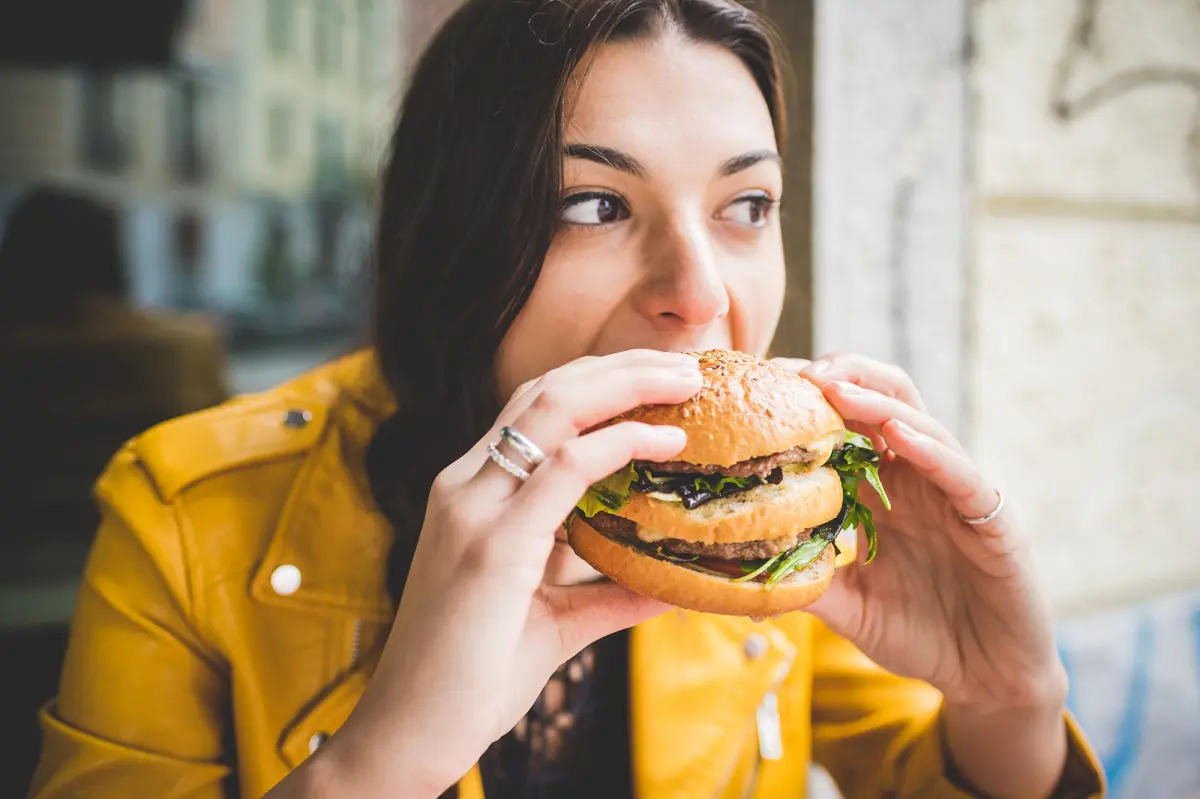
When navigating the traditional American fast-food menu, turning your attention to classic burger joints can actually yield surprisingly healthy results if you are willing to make some simple structural modifications. The list highlighted clean, bunless burger options from major players like McDonald’s, Five Guys, and In-N-Out, which both doctors agree can serve as highly sensible, high-protein meals when you find yourself in a pinch. By shedding the highly processed, sugar-laden white buns, you immediately eliminate a massive source of refined carbohydrates that would otherwise spike your insulin levels and lead to an inevitable mid-afternoon energy crash. Enjoying a burger wrapped in crisp lettuce provides a satisfying dose of clean dietary fat and rich protein, which works beautifully to keep your blood sugar stable and your mind sharp. Simplicity is ultimately your greatest ally when scanning a fast-food menu, which is why Dr. Powell also identifies the classic Wendy’s baked potato as a highly respectable and comforting option. Unlike complex, highly processed menu items that feature a dizzying array of mysterious chemical additives, binders, and flavor enhancers, a plain baked potato is a whole, single-ingredient food that allows you to know exactly what you are putting into your body. While Dr. Powell admits her personal strategy of keeping a bottle of premium olive oil, sea salt, and black pepper in her office to dress simple salads may not sound like the most glamorous culinary experience, it serves as an elegant, practical reminder of how taking control of your ingredients can yield clean, reliable nourishment.
If you are looking for a fast-service establishment that makes prioritizing high-quality macronutrients relatively effortless, Chipotle emerges as a standout favorite among functional medicine experts. The beauty of this assembly-line model lies in its customization, allowing you to reject the rigid, pre-packaged offerings of typical drive-thrus in favor of building a nutrient-dense meal from the ground up. Dr. Struble highlights that by focusing on high-protein options like grilled chicken, steak, or carnitas and pairing them with fiber-packed black beans, you can easily construct a meal that stabilizes blood sugar, supports gut biome health, and fuels muscle recovery. To optimize this approach and protect your gut from unwanted irritants, she strongly advises bypassing the massive, highly processed flour tortillas, salty chips, and starchy white rice, which are densely packed with refined, fast-digesting carbohydrates that offer little in the way of sustained wellness. Instead, you can look to Chipotle’s fresh tomato salsas, fajita vegetables, and robust guacamole to provide an abundance of protective vitamins, trace micronutrients, and heart-healthy monounsaturated fats. This style of eating closely mimics a whole-food diet by emphasizing ancestral dietary staples like clean meats, fiber-rich legumes, and fresh produce, proving that speed and nutritional density do not have to be mutually exclusive concepts. By treating the customizable menu as a blank canvas, you can craft a delicious, satisfying meal that satisfies your hunger without derailing your health goals.
Our vulnerability to the psychological allure of fast food often reaches its peak during long, exhausting summer road trips, where endless miles of asphalt and highway monotony can make drive-thru lanes feel entirely unavoidable. To counter this travel trap, Dr. Powell offers a refreshingly simple and highly active alternative: instead of automatically pulling into the next neon-lit fast-food parking lot, detour toward a local grocery store instead. Exploring the perimeter of a grocery store not only provides a refreshing mental break and the opportunity to stretch your cramped legs, but it also opens up an array of incredibly healthy options, such as pre-washed fresh berries, rotisserie chickens, raw nuts, and pre-cut vegetables. Dr. Struble passionately echoes this sentiment, urging travelers to actively resist the deeply addictive, chemically engineered snacks that dominate gas station convenience aisles, even when they carry trendy, misleading marketing terms like “gluten-free,” “organic,” or “macro-friendly.” It is easy to fall into the trap of purchasing pre-packaged protein shakes and energy bars under the assumption that they are virtuous choices, but a quick glance at their labels often reveals that they are tightly packed with synthetic sugars, artificial sweeteners, and highly processed binders that irritate our delicate gastrointestinal tracts. The golden rule of travel nutrition is to take control of your environment by packing wholesome fruits, raw nuts, hard-boiled eggs, and plenty of water before you ever start your engine, making it infinitely easier to bypass the temptation of roadside survival food altogether. This simple act of preparation transforms your trip from an exercise in damage control to a journey of conscious, empowered nourishment.
At the end of the day, successfully navigating our modern food landscape requires a healthy dose of self-compassion, meticulous preparation, and a realistic mindset. While the doctors strongly advocate for pre-packing your own nutrient-dense meals whenever possible, they also recognize that life is unpredictable, schedules fall apart, and there will inevitably be moments when fast food is your only viable option. Rather than viewing these occasional detours as personal failures or moments of dietary shame, Dr. Powell suggests approaching them with a calm, pragmatic perspective: remind yourself that this meal is merely a single, temporary choice born out of immediate convenience, rather than a permanent fixture of your daily routine. By shifting your relationship with fast food from a mindless, emotional habit to a conscious, strategic utility, you rob these hyper-processed foods of their power over your long-term health and well-being. Ultimately, health is a lifelong journey shaped by the consistent patterns of our daily lives, and learning how to make the absolute best choices on the road—whether that means ordering a bunless burger, prioritizing a clean source of protein, or stepping into a grocery store—empowers us to live vibrantly in an increasingly busy world. By maintaining this balanced, mindful outlook, we can successfully protect our physical health without sacrificing our peace of mind.