





The morning commute is a universal ritual, a collective rhythm where strangers share space in quiet transitions between their public and private lives. On a crisp Thursday morning at the historic Winterthur train station in the canton of Zurich, Switzerland, hundreds of commuters stepped onto the platforms, clutching warm coffees, checking schedules, and preparing for the day ahead. But shortly before 8:30 a.m., this familiar, peaceful routine was violently shattered. A sudden wave of panic rippled through the station as a man wielding a bladed weapon began targeting unsuspecting travelers. Within seconds, the mundane sounds of train whistles and murmuring crowds were drowned out by screams. A witness later recalled the chilling sound of a male voice shouting “Allahu akbar” repeatedly—emotional, agitated, and echoing through the station concourse. For those standing nearby, the sheer terror of the moment was paralyzing; in an instant, a symbol of Swiss efficiency and civil safety was transformed into a chaotic crime scene, reminding everyone present of the fragile line between everyday normalcy and sudden, inexplicable violence.
At the heart of this tragedy are three ordinary individuals whose lives were violently disrupted in a matter of seconds. The victims—three Swiss nationals aged 28, 43, and 52—were simply going about their morning, unaware that they would soon become the targets of a senseless assault. After the blade struck, emergency services rushed to the scene to tend to the wounded and transport them to nearby hospitals. For the younger victims, aged 28 and 43, the physical injuries, though terrifying, proved to be mercifully non-life-threatening, allowing them to be discharged or prepared for release by the afternoon. However, the 52-year-old victim faced a much longer road to recovery, requiring urgent surgery on a severe thigh wound. While physical wounds can be stitched and healed, the psychological toll of such an unprovoked attack runs far deeper. These three individuals are now tasked with the heavy burden of processing a trauma that occurred in a space they likely traversed without fear every single day, leaving their families, friends, and the wider community to grapple with the shocking vulnerability of their loved ones.
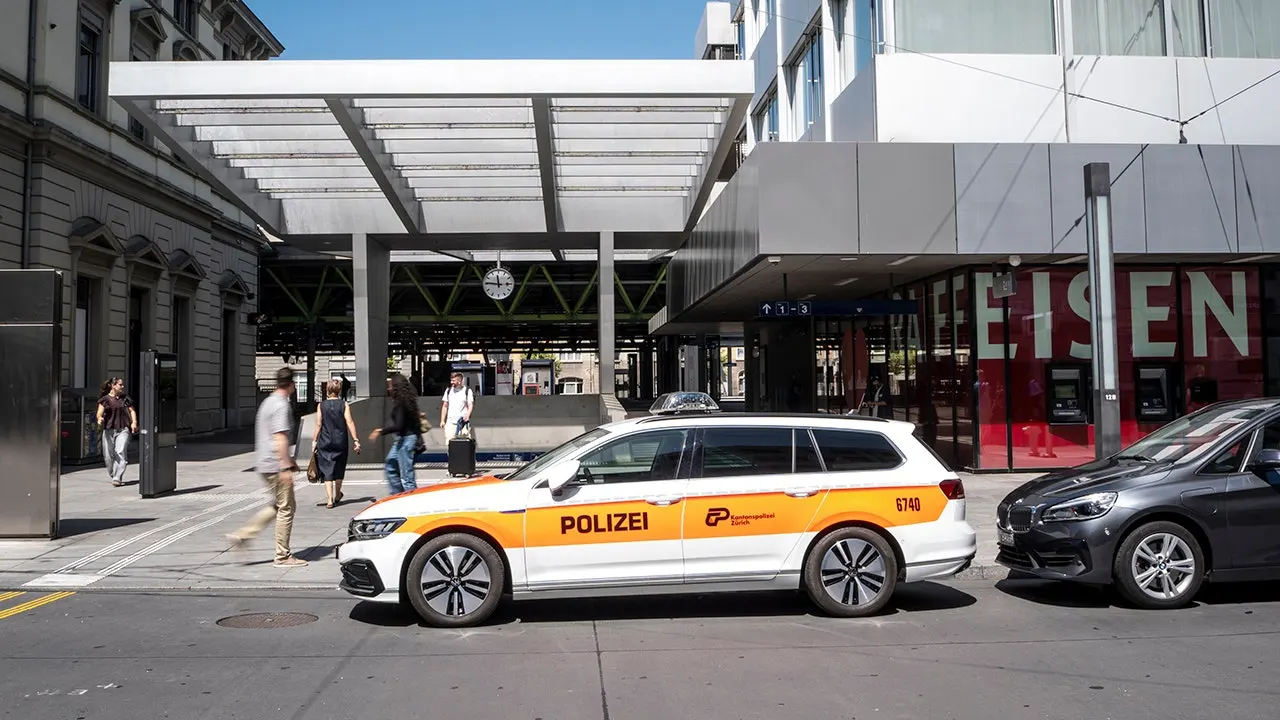
The rapid response of the Zurich Cantonal Police prevented what could have been an even greater catastrophe, as officers arrived and apprehended the suspect just five minutes after the first emergency call was placed. The arrested man, identified as a 31-year-old Swiss-Turkish dual national residing in Winterthur, represents a deeply troubling paradox. Born in Switzerland and having obtained his citizenship in 2009, he grew up within the very society he would eventually turn against. However, authorities revealed that much of his last two years had been spent in Turkey, raising complex questions about his path toward isolation and hostility. His arrest brought an immediate end to the physical danger at the station, but it opened a floodgate of questions for investigators who sought to understand how a young man raised in Switzerland could reach a point of such violent, public desperation, leaving security officials to dissect his movements, his associations, and the ideological influences that may have guided his actions.
As investigators dug deeper into the suspect’s history, a frustrating and tragic timeline began to emerge, highlighting significant missed opportunities and systemic failures in preventing the attack. The suspect was no stranger to security services; his name had first crossed the radar of intelligence officials nearly a decade ago, in 2015, for disseminating propaganda associated with the Islamic State. More alarmingly, his descent into crisis had accelerated in the days immediately prior to the stabbing. Just earlier that week, the man had placed a frantic call to the police emergency line, delivering a series of highly confused comments that prompted authorities to escort him to a psychiatric facility for evaluation. Yet, in a devastating twist of timing, a doctor determined he did not pose an immediate danger, leading to his discharge on Wednesday—scarcely twenty-four hours before he would walk onto the Winterthur platform with a weapon. This revelation has sparked intense scrutiny over the delicate balance between mental health intervention and public safety, leaving many to wonder how a man flagged for extremist ties and suffering from acute psychological distress was allowed to walk free.
The violent assault quickly reverberated beyond the confines of the train station, prompting sharp condemnation from regional leaders and igniting a broader conversation about national security and radicalization. Mario Fehr, the top security official for the Zurich region, did not mince words, officially labeling the stabbing as “an evil act of terror.” This blunt characterization underscored the deep sense of violation felt by a community that prides itself on its high standards of peace and social cohesion. In Switzerland, where violent crime of this nature is relatively rare, the attack acts as a stark reminder that no community is entirely insulated from the complex web of modern extremism and mental illness. Fehr’s statements reflected the growing frustration of regional authorities who feel constrained by legal and medical bureaucratic boundaries that sometimes prevent proactive detention, fueling political debates on how the nation should monitor dual citizens, handle radicalized individuals, and reform psychiatric discharge protocols to ensure such oversights never happen again.
In the aftermath of the tragedy, the Winterthur train station slowly returned to its usual operations, with trains pulling in and out as they always do, yet the atmosphere remained inevitably changed. The physical evidence of the crime was quickly cleared away, but a quiet, collective grief hung in the air as commuters returned to the platforms, looking at one another with a slightly heightened sense of vigilance. The healing process for Winterthur will require more than just restoring train schedules; it demands a collective commitment to supporting the victims in their recovery and finding answers to the complex crises that fuel such violence. As the 52-year-old victim heals in the hospital and the community processes its collective shock, the resilience of the Swiss public shines through in their refusal to let fear dictate their daily lives. By confronting both the security lapses and the deep-seated societal challenges revealed by this attack, Winterthur hopes to reclaim its peaceful routine, standing united against terror while fostering a stronger, more vigilant, and ultimately healthier community for all its citizens.