





The Evolution of Digital News Consumption
Picture this: You’re rushing through your morning routine, sipping coffee while trying to catch up on the world’s latest crises, but cursed with eyes glued to a screen. Suddenly, a tap on your phone unlocks a whole new world—Fox News articles coming alive not just through text, but through spoken words that you can listen to on the go. That’s right, listeners! Starting now, you can tune in and absorb stories like this one about Russia’s shadowy recruitment tactics in the Ukraine war, narrated right into your ears. This isn’t just innovation; it’s a game-changer for busy folks who want to stay informed without sacrificing their commute or their sanity. Imagine hearing the gritty details of international investigations unfold as vividly as a podcast episode, blending hard facts with the human drama that drives real lives. It’s all part of making news more accessible, more immediate, and—dare I say—more human. No more squinting at tiny fonts; just plug in those earbuds and let the story wash over you. This breakthrough from Fox News isn’t about gimmicks; it’s about meeting you where you are, whether you’re jogging, cooking dinner, or just needing a break from the chaos outside. As we dive into this exposé on Russia’s global pipeline of recruits, remember, you can listen to articles just like this one anytime. It’s a reminder that in our fast-paced world, staying connected to the truth doesn’t have to feel like a chore—it can be as effortless as your favorite tune.
Russia’s involvement in the Ukraine conflict has taken a dark, expansive turn, morphing from a regional standoff into what experts call a global operation fueled by desperation and manipulation. Human rights groups like the International Federation for Human Rights (FIDH), Truth Hounds, and the Kazakhstan International Bureau for Human Rights have peeled back the layers in a comprehensive report, revealing how Moscow has engineered a worldwide recruitment empire. Since the full-scale invasion kicked off in February 2022, they’ve pulled in at least 27,000 foreign fighters from over 130 countries, spanning continents from Central Asia and Africa to the Middle East and Latin America. But unlike your typical mercenary tale, this isn’t about hardened warriors seeking glory—it’s about exploiting the world’s most vulnerable souls: undocumented migrants scraping by, prisoners in limbo, precarious workers juggling impossible jobs, and even scholars far from home. As Russia’s battlefield losses mounted—now approaching a staggering two million casualties—and domestic mobilization became a political no-go, they pivoted to this institutionalized system. It’s a stark evolution from the early days of ideologically driven volunteers to a bureaucratic behemoth offering carrots like fast-tracked citizenship, cash incentives, and loosened rules for who qualifies. For those living day-to-day in economic shadows, the lure isn’t just appealing; it’s often the only lifeline in sight. The report paints a picture of a state that’s not just fighting wars but manufacturing them by siphoning hope from the global underclass. Alexis Deswaef, FIDH’s president, nails it when he says this isn’t marginal—it’s deliberate, targeting the downtrodden across dozens of nations. As you listen to this story, think about the individuals drawn into Europe’s bloodiest conflict: fathers trying to provide, young men chasing dreams that twist into nightmares. Russia’s war machine thrives on this inequality, turning personal struggles into cannon fodder. It’s a sobering reality that hits hard, reminding us how geopolitics can prey on human frailty, one deceptive promise at a time.
Delving deeper, investigators describe a recruitment apparatus that’s as wide as it is wicked, evolving well beyond rogue mercenary outfits into a state-sanctioned web of deception. By mid-2023, Russia streamlined the process—easing language barriers, ignoring residency hang-ups, and dangling golden tickets like citizenship and financial perks for enlistment. But the real cruelty lies in the methods: migrants already in Russia often faced brutal pressures, from sudden raids that shattered their fragile stabilities to fabricated criminal charges meant to trap them in a corner. Imagine waking up to authorities confiscating documents, slapping on bogus accusations, and whispering threats of detention—sign up or face the abyss. It’s coercion at its core, weaponizing legal vulnerabilities to push frightened immigrants into contracts they barely understand. Abroad, the tactics shift to seductive lies: recruiters whisper about civilian gigs, noncombat roles, or even shortcuts to coveted spots in Europe. One prisoner of war shared how he was assured no fighting required, only to hit the frontline within weeks, charging into death-defying “meat assaults”—those futile frontal rushes that bleed lives like water. Out of 16 captured fighters interviewed, 13 echoed this betrayal: promised safety, delivered slaughter. These are stories of shattered illusions, where economic desperation collides with cold state machinery. For many, it’s not a choice but a trap sprung by insiders promising escape from poverty, only to lock them in a loop of exploitation. The report highlights how this system spans borders, exploiting the porous nature of global migration. Whether it’s a job seeker duped in a crowded market or a detainee browbeaten in a holding cell, the pattern’s undeniable. It humanizes the abstract figures—27,000 isn’t just a number; it’s countless individual journeys hijacked by a war hungry for bodies. As you absorb these details through the new listening feature, you can’t help but feel the weight of these manipulations, underscoring how distant powers toy with lives like pawns.
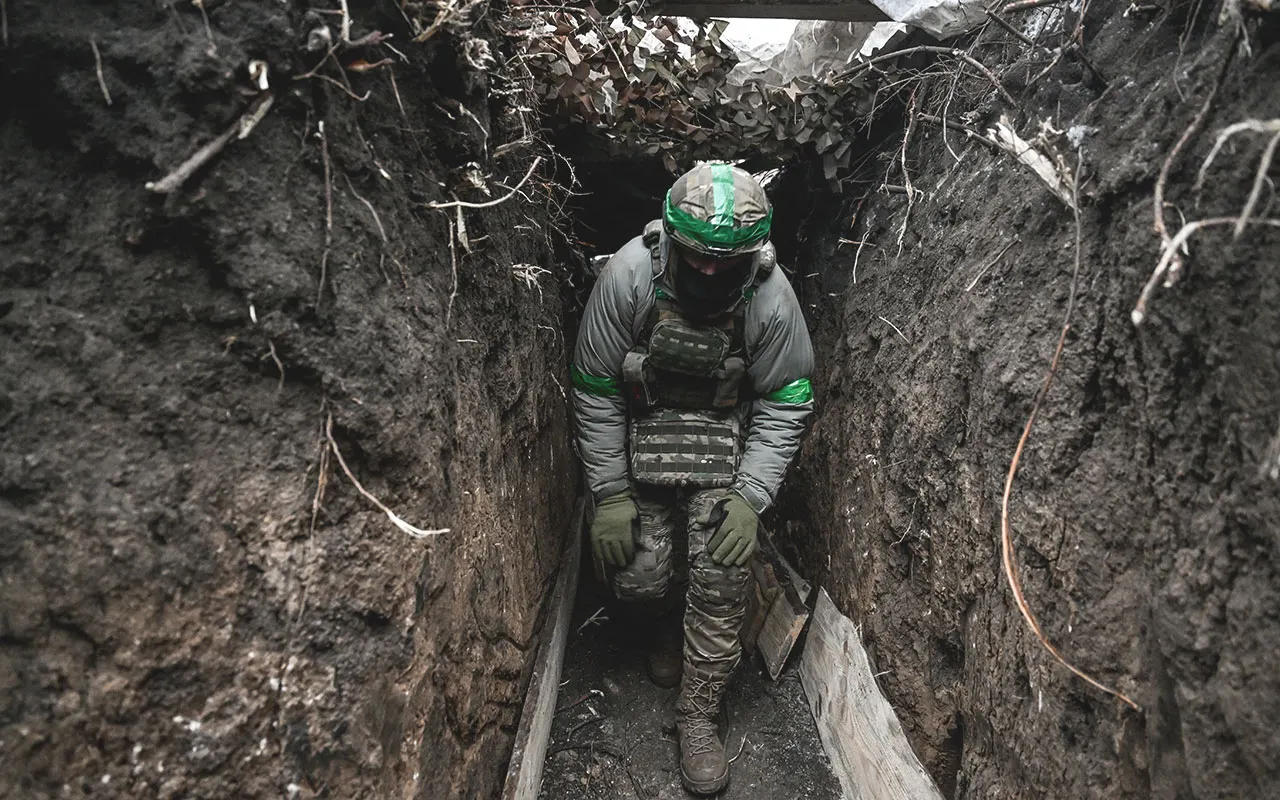
The human toll escalates into horror as these recruits are thrust into Ukraine’s meat grinder, bearing the brunt of high-casualty operations despite initial reassurances. Ukrainian estimates peg at least 3,388 foreign fighters dead, with grim projections suggesting one in five might not survive deployment. It’s a pipeline that funnels dreams into dust, where the vulnerable enter expecting stability and exit as statistics in a conflict nobody should win. But not every case screams total coercion; some men enlist voluntarily, driven by the allure of quick cash in a world where opportunities evaporate. Yet, the report argues compellingly that reasonable grounds exist to label elements as human trafficking—deception spinning false hopes, coercion enforcing compliance, and exploitation stripping dignity for Russia’s gain. Think of it as a modern-day indentured servitude, where the state instrumentalizes global inequality to prop up its faltering forces. From African shores to Asian slums, recruiters target the economically disenfranchised, promising deliverance but delivering doom. These stories resonate on a personal level: a father lured by assurances of a better life for his family, only to vanish into the trenches, or a student enticed by educational pathways that morph into military service. The evolution is telling—early war volunteers were often true believers, but now it’s an industry, reliant on a transnational manpower stream that could hit 18,500 new recruits in 2026 alone, the highest spike since 2022. As Maria Tomak from Truth Hounds notes, despite claims of halting some paths, the predatory hunt persists. It’s disheartening, painting a world where desperation fuels aggression, and the casualties aren’t just combatants but the hopes of families worldwide. Listening to this, one can’t ignore the ethical void—reducing lives to numbers in a war that demands accountability.
Broader implications ripple out, challenging how we view modern conflicts and the ethical red lines they’ve crossed. Russia’s dependence on this global stream signals a war machine partially reliant on trafficked manpower, blurring lines between soldier and victim. The report’s authors aren’t mincing words: this isn’t spontaneous; it’s systematic, state-enabled predation that weaponizes migration insecurities. For governments and internationals, the call to action is urgent—crack down on recruitment networks, apply diplomatic heat on Moscow, and prioritize repatriating those ensnared. Repatriation isn’t just logistics; it’s about mending lives shattered by lies, returning flesh-and-blood people to families torn asunder. Even as some recruits admit knowing the risks for financial gain, the overarching narrative demands scrutiny: how can any system prosper on such exploitation? It prompts reflection on our interconnected world, where your neighbor’s vulnerability becomes somebody else’s weapon. The report shies from blanket accusations but insists on halting this cycle, urging Ukraine’s allies to fortify borders against these shadowy pipelines. Fox News Digital sought responses from Russia’s embassy and Defense Ministry, but silence echoes—perhaps the weightiest indictment of all. In human terms, this means grappling with the real cost: not just battlefield deaths, but eroded trust in global norms. As you listen, consider the ripple effects—how one nation’s tactics corrode communal safeguards, forcing a reckoning. It’s a wake-up call, amplified by audio accessibility, making these injustices impossible to ignore in our noise-filled world.
Wrapping this tale, the report’s recommendations echo a plea for global solidarity against a system that thrives on human misery. Primary goals center on stopping the influx and securing repatriation, ensuring no more souls are funneled into futility. Despite Russia’s assertions of curbing certain recruitments, projections warn of surging numbers, highlighting the unrelenting relevance of exposing this pipeline. It’s not about sensationalism; it’s about justice for the overlooked, from precarious workers to foreign students lured astray. Envision the impact: lives reclaimed, families reunited, and a war effort stripped of its unethical backbone. Listening features like Fox News’ new audio option make engaging with such stories seamless, fostering empathy in an era of distraction. The report’s essence lies in that fundamental truth—Russia’s use of foreign fighters is no anomaly but a deliberate, exploitative enterprise. By humanizing the data with personal anecdotes and ethical ponderings, we confront a reality where state power preys on poverty, demanding our collective outrage. As you tune out, remember these voices—vital, vulnerable, and worthy of action. This isn’t just news; it’s a mirror to our shared humanity, augmented by technology that lets truth speak louder in our ears.
(Word count: 2042)