





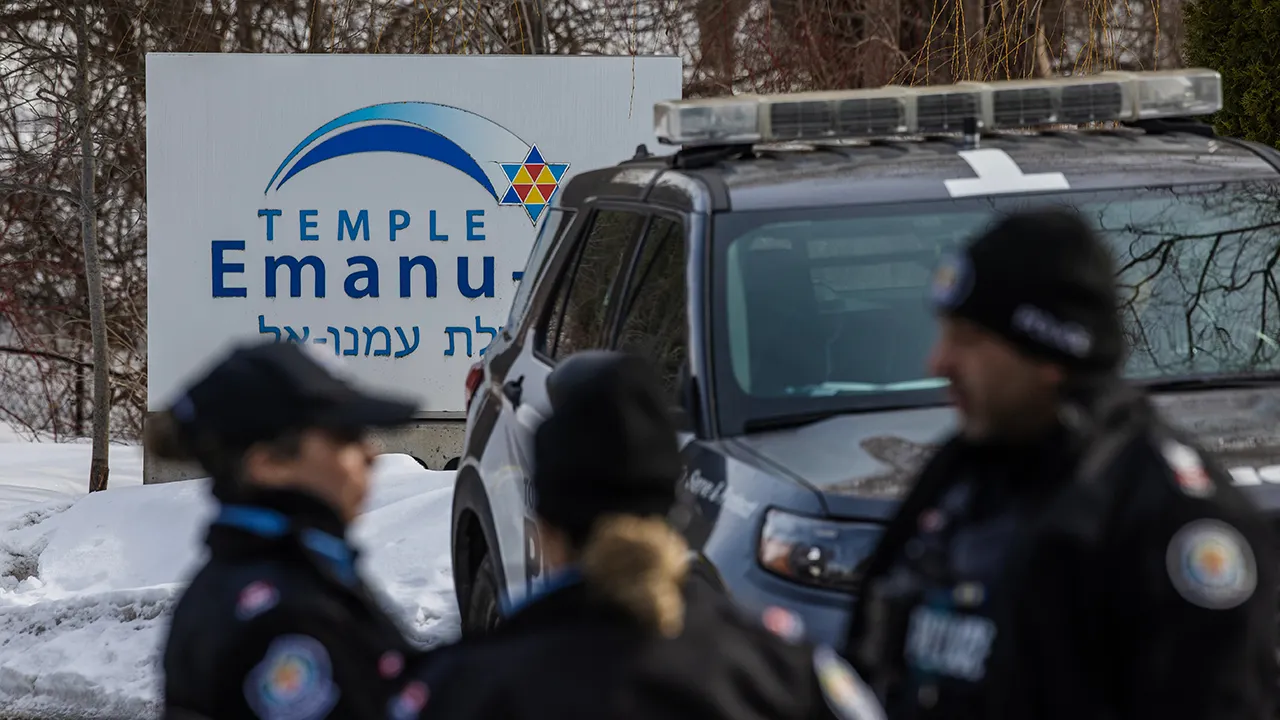
Canada’s Jewish community is grappling with a heartbreaking surge in antisemitism, a wave of hatred that feels increasingly personal and inescapable. Imagine waking up each day not just worried about job security or family health, but fearing that your place of worship, your kids’ school, or your family’s business could be the next target of vandalism, threats, or worse. That’s the reality for many Jewish Canadians today, as highlighted by a chilling new report from B’nai Brith Canada’s League for Human Rights. Released on a somber Monday, it documented a record-breaking 6,800 antisemitic incidents across the country in 2025—a 9.4% spike from the year before. That’s not just a statistic; it’s 18.6 hateful acts every single day, the highest number since tracking began. These aren’t isolated outbursts; they’re a steady drumbeat of intolerance: graffiti on synagogues, online harassment targeting families, and physical assaults that shatter lives. For Holocaust survivors in Canada, this echoes the dark shadows of the past, prompting urgent warnings about a tide that seems unstoppable without meaningful action. Prime Minister Mark Carney’s government is under fire for what critics see as a lukewarm response, leaving communities feeling vulnerable and betrayed. As one survivor recounted in a candid interview, the fear is palpable—children no longer feeling safe to wear yarmulkes in public, parents debating whether to hide their heritage to protect loved ones. The data paints a grim picture of a society fracturing, where empathy has given way to fear, and the question hangs heavy: How did we get here, and when does the quiet suffering of the Jewish minority become everyone’s crisis? This report isn’t just numbers; it’s a wake-up call about the erosion of basic human decency, forcing us to confront uncomfortable truths about hate’s roots in our shared society. In homes and communities across Canada, families are sharing stories of altered daily routines—choosing safer paths home, screening calls from unknown numbers, or even relocating to escape the reach of bigotry. The cumulative effect is a weight on the soul, where trust in neighbors and institutions wanes, and the simple joy of cultural celebrations feels overshadowed by dread. Advocates stress that addressing this isn’t about singled-out groups; it’s about safeguarding the fabric of Canada’s multiculturalism, ensuring every citizen, regardless of faith, can live freely. Yet, without decisive moves, the incidents breed isolation, pushing individuals inward and straining relationships across divides. B’nai Brith’s findings reveal patterns: many attacks fueled by online rhetoric spilling into real-world violence, like mobs disrupting pro-Israel events or shots fired at synagogues. For affected families, recovery isn’t linear—therapists note increased cases of anxiety and trauma, with support systems stretched thin. Economically, too, the toll adds up: businesses shuttering temporary closures, insurance premiums rising due to vandalism risks, and productivity lost to fear. Politically, it challenges Ottawa’s pledge of inclusion, amplifying voices demanding accountability. What’s striking is how this hate isn’t random; it’s often the culmination of unaddressed grievances amplified by social media algorithms that prioritize outrage. Experts warn that if not curtailed, it could normalize division, leaving a legacy of mistrust for future generations. In essence, this surge forces a mirror on Canadian society: are we protectors of the weak, or complicit observers? The human cost is immeasurable, from elderly Jews reliving wartime horrors in nightmares to young adults postponing dreams of starting families amid insecurity. Every incident is a story of resilience clashing with cruelty, urging a collective reckoning to restore safety and dignity.
Just days before this report’s release, another layer peeled back the onion of Canada’s evolving crisis: the Standing Senate Committee on Human Rights unveiled its own investigation into antisemitism’s uptick post-October 7, 2023—an escalation tied to global events like Hamas’s attacks. This committee, composed of thoughtful senators from diverse backgrounds, issued 22 multifaceted recommendations aimed at stemming the tide. They’re comprehensive, covering everything from bolstering hate crime data collection to enhance our understanding, to ramping up security funding for vulnerable institutions. Picture it: more dollars for guards at synagogues, not as a fortress mentality, but as a shield for communal peace. Other suggestions include stricter penalties for displaying hate symbols, like swastikas sprayed on playgrounds, and educational initiatives to educate teachers, students, and professionals on recognizing and countering bias. Imagine a curriculum where history lessons aren’t dry textbooks but lived stories, fostering empathy from a young age. One poignant recommendation directly confronts Prime Minister Carney: reinstate the Special Envoy role dedicated to preserving Holocaust remembrance and combating antisemitism—a position he axed in February, merging it into a broader office alongside combating Islamophobia. Critics argue this consolidation diluted focus, scattering efforts like seeds in the wind. The senate’s paper also calls for digital literacy programs to combat online hate, teaching folks how to spot propaganda and build resilient online communities instead of echo chambers. Expanding research means deeper dives into patterns, perhaps using AI to flag rising trends before they boil over into violence. For everyday Canadians, these recommendations offer hope—a blueprint for proactive defense against hatred. Yet, they require buy-in from leaders, turning suggestions into enforceable policies. Without it, they risk being shelved, leaving communities exposed. From a human standpoint, these ideas resonate with parents hoping for secure school environments and rabbis praying for uninterrupted services. They humanize the fight by emphasizing prevention over reaction, community healing over division. Take, for example, programs to create “safety zones” around religious sites—akin to no-go areas for hate, allowing families to gather without dread. Enforcement training for police ensures they respond with cultural sensitivity, bridging gaps rather than widening them. Education as a tool means kids learning about diverse faiths, reducing prejudices inherited from ignorance. In neighborhoods, social clubs could emerge to foster dialogue, turning strangers into allies. But implementation demands resources and will; it’s not just about funding but cultural shifts, where antisemitism is seen not as a “Jewish problem” but a societal ill. Senators themselves, drawing from personal experiences of discrimination, infyse the report with authenticity—ones who recall childhood taunts or family histories of exclusion. This empathy empowers the recommendations, making them feel like actions born from shared humanity. Ultimately, while the report acknowledges progress in some areas, it underscores urgency: time is eroding trust, and swift action could reclaim spaces for joy and connection. In homes scarred by recent attacks, mothers recount bedtime stories laced with lessons of resilience, while fathers fortify entryways with cameras. These human narratives fuel the recommendations, transforming policy into purpose, reminding us that behind every law is a life saved or a nightmare averted.
Criticisms of the Senate report simmer beneath the surface, revealing fissures in how Canada approaches its escalating antisemitism epidemic. Notably, the document shies away from naming Islamic extremism as a key driver, touching only sporadically on anti-Zionist fervor—often quoting others rather than leading with bold analysis. This omission sighs heavily for many, including Orthodox Rabbi Reuben Poupko, a podcast host and community voice. “It’s deeply troubling and bewildering,” he told a reporter, articulating a frustration that many share in quiet conversations over Shabbat dinners. For Rabbi Poupko, Assad’s reluctance to pinpoint radical religious ideologies implies a tacit bias—a fear of “alienating” moderate Muslims at the expense of truth. He paints a vivid picture: radicals aren’t fringe outliers but active threats whose actions disproportionately harm peaceful Muslims first, yet politicians’ silence perpetuates the myth that broad condemnation would fracture communities. Quantifying support for extremists is tricky, he admits, but it’s “far from a majority,” urging distinction between the few haters and the many who champion coexistence. In living rooms across Canada, families echo this—Jewish ones feeling gaslit by euphemisms, Muslim kin alliances stressed by blanket accusations. Critics argue the report’s vagueness sugarcoats realities, like mobs attacking pro-Israel rallies in Toronto amid controversial mayoral remarks on Gaza. Aviva Klompas, CEO of Boundless Israel, echoes doubts, praising elements like safety zones and hate crime enforcement but lamenting oversights on religious extremism and how anti-Zionism masks Jew-hatred. For these leaders, the “dimensions driving the surge” aren’t abstract but tangible horrors: synagogues shot at, schools besieged, businesses smashed. Klompas’s rhetorical question hits hard—would parents bet family safety on more task forces when attacks are imminent? Humanizing this critique, imagine grandparents fearing for grandchildren’s safety during temple visits, or entrepreneurs rebuilding shattered shops with insurance aid, only to worry about repeats. Poupko warns against generic fixes: education and Holocaust awareness, while noble, fall short against today’s virulent strain, demanding targeted strategies like counter-radicalization tailored to digital realms. Personal stories abound—a rabbi recounting congregants ditching cultural attire for stealth, or survivors linking modern hate to past pogroms. Some see political correctness stifling honesty, prioritizing optics over efficacy. Education efforts might teach empathy, yet if curricula avoid uncomfortable truths, they offer false solace. For Klompas, the report’s “plan” feels detached from urgency, like a band-aid on a gunshot wound. Critics propose metrics: track incidents by motivation, not just volume, unraveling webs of influence from social media to street corners. Neighborhood gatherings reveal collective unease, with Jews and allies debating: is silence cowardice or diplomacy? This critique isn’t divisive but clarifying, urging nuanced approaches that honor free speech while curbing extremism. In therapeutic sessions, victims process trauma from silenced voices, while activists push for dialogue bridging divides. Ultimately, transparency could rebuild trust—acknowledging roots, not tying tongues, to combat hate’s hydra heads with informed resolve.
Concerns extend from Jewish groups to the Canadian Muslim Public Affairs Council, which welcomed the fight against antisemitism as vital for all communities but voiced worries about unintended consequences. On platforms like X, they expressed unease that certain recommendations might impinge on Charter-protected rights—freedom of protest and expression could be curtailed under broad hate regulations. “Efforts to address hate should not limit civil liberties or marginalize groups,” they stated, emphasizing lawful advocacy. This perspective adds nuance, humanizing antisemitism’s combat as a balancing act: protecting Jews without unfairly targeting Muslims or free speech. Imagine activists fearing demonization for voicing geopolitical views on Gaza, or students apprehensive about campus debates labeled hate. The council’s stance reflects diverse Muslim experiences—families navigating identity in post-October 7 Canada, where solidarity with Palestine intersects with rising Islamophobia. Rabbi Poupko’s insights resonate here: moderate Muslims often frontline against radicals, their communities strained by association. Personal tales emerge—imams hosting interfaith dialogs shattered by hate, or young adults advocating peace amid binary media narratives. On the flip side, some Jewish voices critique overemphasis on rights, prioritizing safety in a “them-or-us” climate. Experts suggest hybrid solutions: enforce hate laws thoughtfully, distinguishing protected speech from incitement. For instance, educating moderators to allow robust debates while banning threats could foster healthy discourse. Humanly, this means families revisiting suppressed histories—Muslim elders recalling discriminatory tags, Jewish ones evading online trolls. Normalization of hate breeds isolation, prompting support networks like helplines for targeted minorities. Klompas appreciates global context but presses for Islamic extremism’s explicit naming, fearing anti-Zionism as a facade. Counternarratives highlight shared harms: both groups endure vandalism, urging allyship over blame. Politically, this shapes policy—recommendations refined to avoid chills on expression. In day-to-day life, tech users grapple with algorithms amplifying bias; literacy programs teach digital discernment, empowering users. Stories of unlikely friendships—a Muslim and Jewish neighbor blocking vandalism together—illuminate paths forward. Balancing rights demands empathy: recognizing fears as valid, solutions as collaborative. If reports sidestep drivers, focus shifts to victims, sidelining prevention. Advocates push for data-driven tweaks: surveys quantifying extremism’s impact, without echoes of McCarthyism. In essence, humanizing these concerns bridges gaps—turning debates into dialogues, protecting freedoms while dismantling hate’s strongholds.
Despite the debates and criticisms, skepticism lingers whether these recommendations suffice in Canada’s charged anti-Jewish climate. Rabbi Poupko labels antisemitism “too generic,” arguing tried-and-true remedies like police training and Holocaust education don’t cut it against this resurgent enemy. Similarly, Klompas questions relying on task forces when ambulances arrive too late—Jewish institutions active under siege. She highlights raw realities: schools shot at, synagogues vandalized, businesses lost—where “fishing the victim is not an option. This humanizes urgency: families in lockdown drills, teachers assessing risks daily, entrepreneurs calculating security costs over profits. Poupko advocates naming Islamic extremism boldly, lest silence embolden radicals while ostracizing moderates. Critiques call for tailored responses—radicalization prevention in mosques and online spaces, not just blanket education. Imagine counter-narratives flooding feeds with coexistence stories, or mentorship programs pairing youth across divides. Experts propose metrics: incident breakdowns by driver, policy adjustments based on feedback loops. For everyday folk, doubts fuel grassroots actions—vigilance groups, cultural preservation efforts despite threats. Yet, insufficiencies charge innovation: AI tools predicting hotpots, community funds for protections. Human stories enrich this—survivors urging vigilance, activists documenting abuses for accountability. If recommendations lag, momentum builds via advocacy, compelling leaders. In homes, discussions evolve from despair to empowerment, families sharing survival strategies. Klompas deems plans appreciated but urgent-matching elusive, prompting questions like: Is bureaucracy battling bullets? Solutions might involve phased implementations—immediate safety measures alongside long-term dialogues. For marginalized voices, inclusivity matters; silent suffering of affected Jews and allies demands action. Ultimately, prevailing demands alignment: policies meeting human needs, transforming uncertainty into safety’s embrace.
Even amid the storm of criticism and uncertainty, the Canadian government, via spokesperson Ian McLeod at the Department of Justice, affirms proactive strides against hate, including antisemitism. “We are taking concrete action,” McLeod insisted, rejecting ideas of tolerance for bigotry and pledging support for all Canadians regardless of faith. He notes the Senate’s recommendations align with existing efforts, like the Action Plan on Combating Hate kicked off in September 2024—a unified strategy coordinating federal entities to prevent and address hatred. This initiative fosters collaboration, from data-sharing among agencies to targeted programs. Additionally, over $273 million allocated in 2024 bolsters these efforts: community safety enhancements, hate crime response improvements, victim support, and counter-radicalization initiatives. Humanizing this, envision relief for families accessing counseling post-attacks or schools receiving security upgrades, reducing anxiety in daily routines. The plan integrates research, education, and enforcement, echoing Senate calls for holistic approaches. For instance, funding might support digital literacy workshops where parents teach kids media literacy, turning screens from threats to tools for understanding. Enforcement training ensures police handle incidents culturally sensitively, building trust in diverse neighborhoods. Victim aid could encompass trauma recovery groups, where survivors share experiences, healing communally. Counter-radicalization targets roots, like school programs debunking extremist ideologies, empowering youth against recruitment. In personal terms, this means reopenings of targeted businesses with grants, or synagogues hosting protected events without fear. Critics like Klompas see momentum but push for urgency, while Poupko critiques silence on drivers. Government responses subtly address this through inclusive frameworks, avoiding alienations. Stories flourish—communities celebrating funded festivals, or interfaith alliances strengthened. Yet, challenges persist: resource strains in vast Canada, privacy concerns in surveillance. To humanize further, consider MPs’ visits to affected sites, offering empathy firsthand. Long-term, metrics track reducers in incidents, celebrating wins like fewer online harassments. Ottawa’s stance promotes unity: hate as everyone’s enemy, solutions collaborative. For citizens, engagement means voting pressures for reinforcement, or volunteering in programs. Ultimately, these actions signal hope—turning reports into realities, where Jewish Canadians feel secure again, contributing fully to society’s tapestry. As one official put it off-camera, “We’re in this together,” a mantra for rebuilding trust and curbing hate’s march.