



The Energy of Intelligence: AI Meets Oil at the World’s Most Powerful Conference
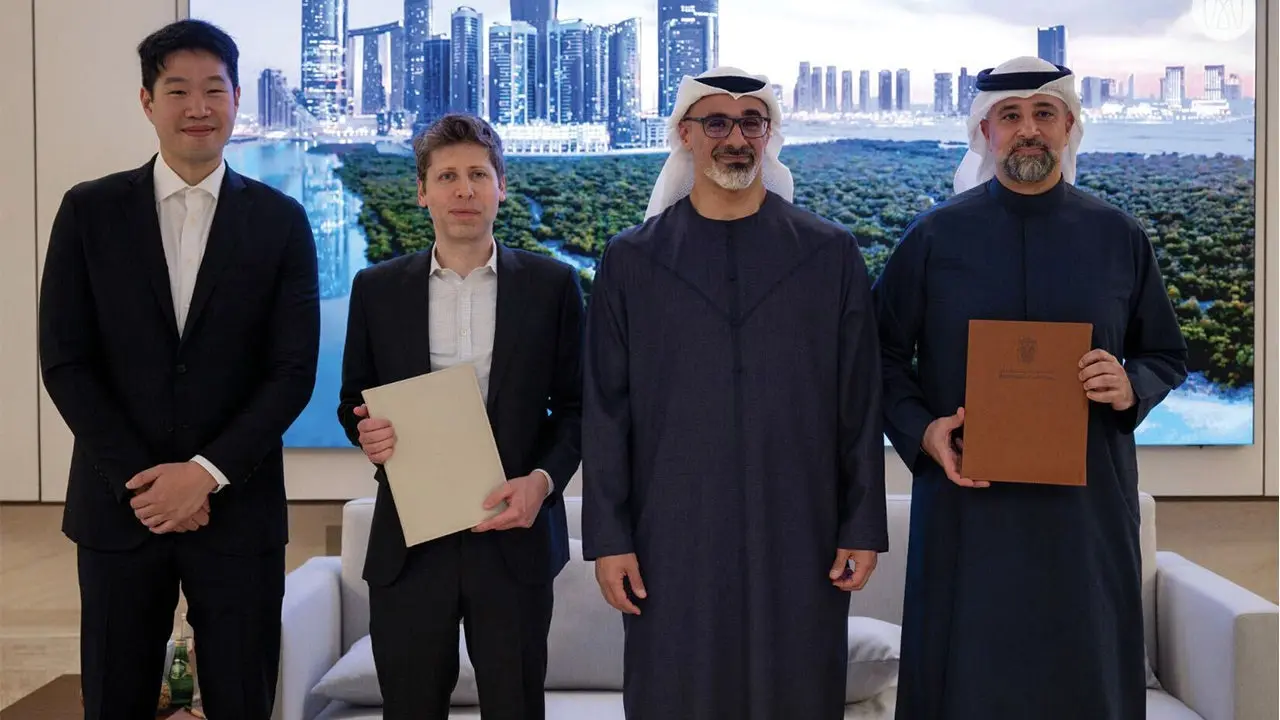
The glittering halls of Abu Dhabi’s conference center buzzed with unprecedented energy as the world’s most powerful figures in oil and technology converged for ADIPEC, the planet’s largest energy gathering. The atmosphere crackled with anticipation, not just because of the geopolitical tensions gripping the region, but because something historic was happening—the marriage of artificial intelligence and traditional energy was being consummated before the world’s eyes. OpenAI’s charismatic CEO Sam Altman stood shoulder to shoulder with senior UAE officials, announcing a partnership that would fundamentally reshape how we think about the relationship between computation and crude oil. The irony was not lost on observers that this meeting of minds occurred against the backdrop of escalating conflict and threats to the world’s most critical shipping lanes, making the urgency of technological innovation feel almost palpable as delegates filed into the main auditorium, their security badges gleaming under the spotlights.
Dr. Sultan Al Jaber, the UAE’s minister of industry and advanced technology, who also helms the state-owned energy behemoth ADNOC, delivered remarks that would resonate far beyond the conference walls. Rather than dwelling exclusively on the traditional concerns of supply chains and production quotas, he issued a challenge that reframed the entire energy discourse. “From the moment ChatGPT was born,” he declared, his voice carrying the weight of a nation’s ambition, “the world has asked what energy can do for AI. And now, together, we will find out what AI can do for energy.” The announcement of the trilateral partnership between ADNOC, OpenAI, and Abu Dhabi’s own technology champion G42 represented far more than a corporate agreement—it signaled the UAE’s determination to position itself at the crossroads of the digital and physical economies. This tiny Gulf nation, built on hydrocarbon wealth, was staking its claim to be the birthplace of a new industrial revolution where intelligence itself becomes the most valuable resource, surpassing even the fossil fuels that built its modern cities from nothing in the span of a single generation.
Yet beneath the celebratory surface of technological optimism, deeper questions emerged about what artificial intelligence truly promises for an industry historically defined by human expertise and decades of accumulated experience. Dr. Angela Wilkinson, who leads the World Energy Council as its secretary general and CEO, offered a refreshingly grounded perspective during an exclusive conversation at the conference’s periphery. In a media environment saturated with apocalyptic warnings about AI replacing human workers, Wilkinson found genuine encouragement in how both the technology leaders and energy executives framed their vision—not as machines supplanting human judgment, but as sophisticated tools enhancing humanity’s capacity to make better decisions. This people-centric approach, she argued, represents the most promising aspect of the unfolding relationship between these two seemingly disparate industries. Rather than racing toward some automated dystopia where algorithms dictate energy policy, the emerging partnership promises a future where the collective wisdom of engineers, geologists, and strategists is amplified by computational power previously unimaginable, creating a synergy that could address the world’s most pressing energy challenges with unprecedented precision.
The cautious optimism expressed by industry insiders, however, comes with important caveats that demand careful consideration. Amos Hochstein, who served as a senior adviser to President Joe Biden and now brings his expertise to the private sector as a managing partner at TWG Global, welcomed the transformative potential of the new partnership while urging measured expectations. His counsel reflects a growing recognition that the expansion of artificial intelligence carries substantial financial and societal costs that must be weighed against its promised benefits. The conversation around AI must evolve beyond simple enthusiasm, Hochstein suggested, emphasizing that the United States must maintain its leadership position in advanced AI while ensuring ordinary Americans don’t bear disproportionate burdens from its implementation. This tension between innovation and equity defines the current moment, as governments worldwide grapple with how to maximize the benefits of transformative technology while minimizing its potential to exacerbate existing inequalities. The energy sector stands poised to be among the greatest beneficiaries of AI integration, but the path forward requires thoughtful governance and collaboration across sectors rather than unchecked technological enthusiasm.
For the United Arab Emirates, this represents a strategic pivot of historic proportions, transforming from a petroleum exporter into a digital powerhouse capable of exporting something far more valuable than crude oil. Mohammed Baharoon, who directs the research center B’huth, articulated this vision beautifully during an interview in Dubai, describing the nation’s evolution from exporting barrels to exporting computing capacity. He drew compelling parallels between the current AI revolution and the industrial revolutions that preceded it, recognizing that while existing professions will inevitably face disruption, entirely new industries and opportunities will emerge from this technological transformation in ways that are difficult to predict from our current vantage point. This perspective reflects a broader confidence emerging in the Gulf that the region’s early investments in artificial intelligence infrastructure will pay dividends for generations to come. Yet Baharoon also sounded a note of caution that distinguished him from pure techno-optimists, arguing that governments worldwide are struggling to keep pace with technology’s rapid development and emphasizing the urgent need to bring regulatory concepts into the development process itself, rather than waiting until after systems have already entered widespread use, when the consequences of missteps become far more difficult to correct.
The enormous energy demands of increasingly sophisticated AI systems represent perhaps the most profound challenge facing the technology industry, a reality that Altman himself acknowledged with striking candor when asked about his sector’s biggest obstacle. His one-word answer—”Energy”—encapsulated the fundamental interdependence that now defines the relationship between these industries. The data centers required to train and operate advanced AI systems consume staggering amounts of electricity, forcing technology companies to forge unprecedented partnerships with energy providers while simultaneously developing alternative power sources. This reciprocal relationship creates fascinating dynamics where AI companies need access to massive energy supplies while traditional energy producers increasingly rely on AI to optimize complex operations ranging from reservoir management to logistics and trading. According to ADNOC, the initial applications of this partnership will consolidate knowledge from thousands of oil wells and hundreds of facilities, potentially compressing development timelines from months to hours—a claim that, while not yet independently demonstrated, illustrates the transformative potential of this collaboration. The stakes extend far beyond operational efficiency into the realm of energy security itself, particularly given the vulnerability of Gulf infrastructure exposed by recent conflicts and the ongoing disruption of shipping through the Strait of Hormuz, which Al Jaber warned has already drawn nearly a billion barrels from global inventories.
The human dimension of this technological transformation remained central to conversations at ADIPEC, reinforcing the message that artificial intelligence serves best as an amplifier of human capability rather than its replacement. Altman’s insistence that AI should remain a tool serving people, rather than making decisions for them, reflects a philosophy that resonates strongly in a region where tradition and technology increasingly intersect in fascinating ways. The partnership between ADNOC, OpenAI, and G42 may represent the beginning of a new chapter in energy production, but its success ultimately depends on something far more fundamental than technological capability—it requires visionary leadership capable of navigating the complex interplay between industrial transformation and human development. As the conference concluded and delegates departed Abu Dhabi, the question reverberating through the corridors was no longer simply how much energy the AI revolution will require, but whether this remarkable technology can help solve the very energy challenges its expansion is creating. The promise of that possibility, tempered by realistic assessment of its challenges, defines the moment we now inhabit—a threshold between what energy has been and what intelligence might make it become, with the entire world watching to see whether this ambitious marriage of industries will deliver on its extraordinary potential.