


Paragraph 1: The Community and the Victims
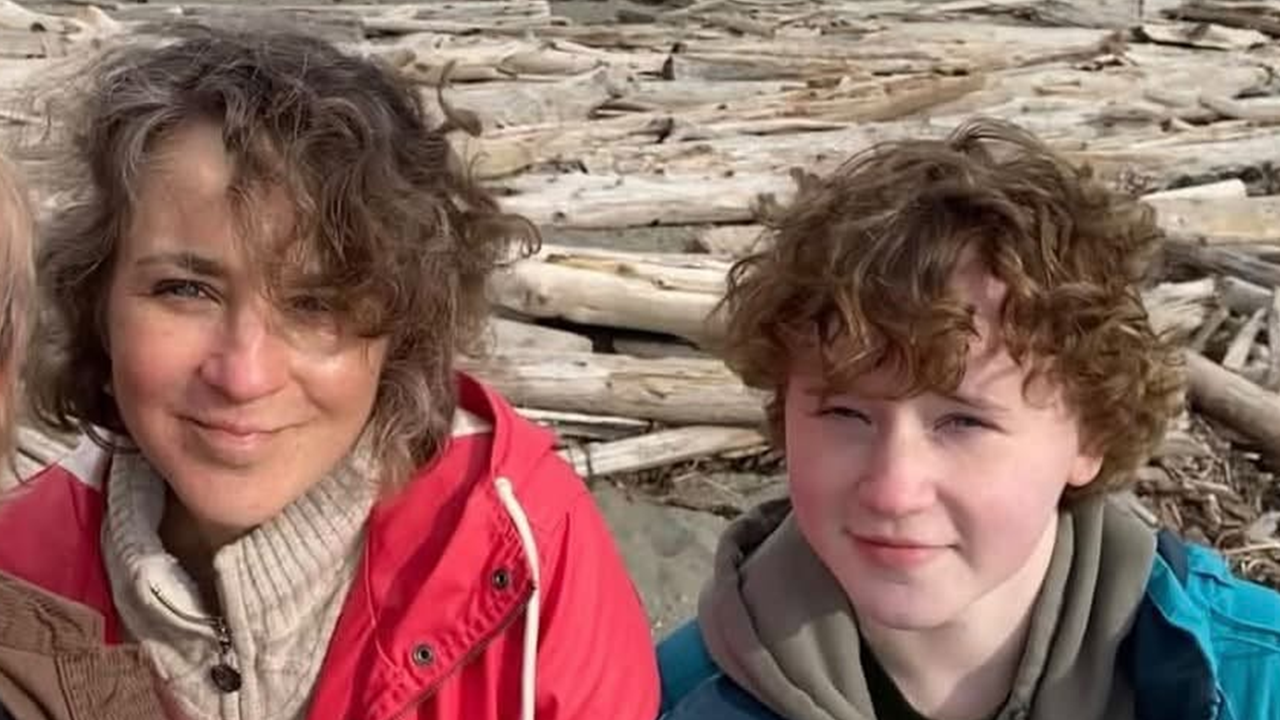
In the quiet, rain-veiled community of Bella Coola, British Columbia, the weekend began like countless others. Jennifer Balcarras, a 48-year-old art therapist known for her warmth, creativity, and deep connection to the wild landscapes around her, decided to go for a walk with her daughter, Selah Reed, 20. The two lived just minutes from the Snooka West Trail, a familiar path winding through the dense, cedar-and-spruce forest that hugs the rugged coastline and mountain slopes where grizzly bears roam freely. For them, this was not a daring adventure but a simple, everyday pleasure—a chance to breathe the cool air, stretch their legs, and share time together in the place they called home. Jennifer was a woman who had woven her life into the fabric of this small community, using art to heal others, guiding people through trauma and emotion with a gentle hand and a perceptive heart. Selah was at the beginning of her adult life, full of curiosity and promise, still learning the ways of the wild from her mother and from the land itself. When the two women set out that Saturday, no one could have imagined that what was meant to be a peaceful hike would end in such devastating tragedy. The news of their deaths, suspected to be the result of a grizzly bear attack, has sent shockwaves through Bella Coola and beyond, leaving behind a profound silence where there had been laughter, and a grief that has touched everyone who knew them. To the outside world, this is a sensational story of man versus nature, but to those in the community, it is the loss of two beloved souls, a mother and daughter whose absence will be felt for generations.
Paragraph 2: The Desperate Hours and the Search
The first signs of something wrong emerged quietly. Jennifer had a scheduled online meet-up on Saturday, and when she failed to appear, her brother, Matt Balcarras, felt a knot of unease tighten in his stomach. Jennifer was reliable, present, and not the type to simply vanish or miss an appointment without explanation. Hiking along a trail near her own home, in an area she knew intimately, seemed too ordinary to cause fear, and yet the silence from her phone and the empty minutes stretching into hours began to feel wrong. By Sunday morning, with still no word from the pair, relatives made the difficult decision to ask the Royal Canadian Mounted Police for a welfare check. It was then that authorities discovered their vehicle parked at the trailhead, a clear sign that the two women had indeed entered the forest and had not returned. What followed was a tense, heartbreaking search through difficult terrain, with rescue teams combing the Snooka West Trail and its surrounding wilderness. On Monday, searchers recovered Jennifer’s body. On Tuesday, they found Selah’s body. The confirmation of their deaths was devastating enough, but the initial findings carried an extra layer of horror: there was evidence to suggest that a bear may have been involved. For the family and friends waiting at home, every hour of that search had been a fragile thread of hope, and the news that the two women had likely been killed by a grizzly bear made the tragedy feel both brutally violent and deeply senseless. The trail that had once offered peace and sanctuary now stood as the site of an unimaginable trauma, and the beautiful wilderness that Jennifer and Selah loved had turned suddenly, inexplicably cruel.
Paragraph 3: The Investigation and Conservation Response
As the community reeled from the discovery, the British Columbia Conservation Officer Service moved quickly to investigate. Jeff Tyre, an inspector with the service, appeared in a video update on social media to explain that officers were actively working to locate and capture any bears that may have been involved. He noted, carefully, that it was not immediately clear whether a single animal or a group of bears was responsible. In a landscape like Bella Coola, where grizzly bears are a natural and common presence, the investigation would require a delicate balance between public safety and preserving wildlife. If a bear was captured and determined to have been involved in the attack, it would be dispatched, or killed, in accordance with provincial human-wildlife conflict response guidelines. There was no joy in that decision, only a somber necessity to protect the community from further danger. The conservation officer’s words were measured, professional, but beneath them lay the weight of recognizing that this attack was both a human tragedy and a natural anomaly. Grizzly bears generally do not seek out humans, and fatal attacks are exceedingly rare, which made the incident all the more unsettling. For the officers, there was also the grim task of examining the scene, piecing together the final moments of Jennifer and Selah’s lives, and asking the haunting question of why this particular encounter turned so deadly. Their work was not simply about finding and dispatching an animal; it was about trying to understand what had happened, to find some kind of answer for a grieving family, and to assure the public that every measure was being taken to prevent another tragedy.
Paragraph 4: A Family’s Grief and the Women They Knew
In the midst of the official statements and protocols, it was Matt Balcarras’s voice that cut through the formalities and reached the hearts of those listening. Speaking with The Vancouver Sun, he expressed shock not just at the death of his sister and niece, but at the very location and manner of the attack. He emphasized that they were not naive visitors who had wandered recklessly into bear territory. “They were not naive city folks,” he said. “They were strong women living the life.” Those words painted a picture of Jennifer and Selah as capable, resilient, and thoroughly at home in the wild—women who knew the risks of living alongside large predators, who had likely encountered bears before and navigated those encounters with respect and wisdom. To the outside world, a bear attack seems like a random act of nature, but to the family, there was a sense of cruel irony that two people so experienced and so connected to the land could fall victim to it. Jennifer’s role as an art therapist suggested a soul attuned to beauty and expression, someone who spent her days helping others confront pain and find healing. Selah, at twenty, was on the cusp of her own story, a young woman whose character had been shaped by a mother who taught her strength, self-reliance, and love for the natural world. The bond between mother and daughter was evident in their decision to take that walk together, sharing a quiet Saturday on a trail near their home. To lose both of them at once is a double blow that leaves no one untouched, and Matt’s grief was compounded by the knowledge that he had not only lost his sister but also the chance to watch his niece grow into the woman she was becoming. In the face of such loss, his words were not just a defense of their experience; they were a tribute to their spirit.
Paragraph 5: Living With Grizzlies in Bella Coola
The tragedy on the Snooka West Trail is not the first time Bella Coola has been shaken by a close encounter with grizzly bears. Less than a year before this incident, a grizzly bear had injured eleven people, including elementary school students, during a school field trip near the same area. That event, terrifying enough in its own right, had already forced the community to confront the unpredictable nature of the animals that share their land. Bella Coola sits in a region where bears are not distant creatures seen only in a zoo; they are neighbors, moving along the same trails, fishing in the same rivers, and living in the same valleys. The people of this area have learned to coexist with bears through caution, education, and respect, but even the most careful behavior cannot eliminate all risk. Wildlife experts often advise hikers to make noise, travel in groups, carry bear spray, and avoid surprising a bear at close range, yet no checklist of precautions can guarantee safety when a grizzly decides to defend itself or its cubs. In the aftermath of this latest attack, the community must again grapple with a difficult reality: that the very wilderness they cherish is also a place of danger, and that the same landscape that provides beauty, food, and spiritual renewal can also take life without warning. For the families of Jennifer and Selah, every piece of conventional wisdom about bear safety feels hollow, because they know their loved ones were not reckless or careless—they were simply in the wrong place at the wrong time, if such an explanation can ever satisfy the grief of a daughter and mother lost together.
Paragraph 6: Reflection, Grief, and a Fragile Peace
As the search for the bear continues in the shadows of the mountains, the people of Bella Coola are left to mourn, to remember, and to try to heal. There is no way to make sense of a loss so sudden and violent, no words that can fully comfort a brother, a family, a community trying to understand why their Sunday peace became a scene of tragedy. The death of Jennifer Balcarras and Selah Reed is a stark reminder of the weight of the natural world, a world that does not know malice but also does not know mercy. It asks us to live with its beauty and its danger simultaneously, holding both the love of the wilderness and the knowledge of its indifference. In the days ahead, friends will gather, stories will be told, and a community that knows how to support its own will wrap around the family left behind. Jennifer’s art, the lessons she taught, and the warmth she shared will live on in the people she helped. Selah’s youth and promise will remain in the memories of those who saw her grow. And on the trail near Bella Coola, where the trees now stand silent, there will be a sense of sorrow that lingers in the moss and the mist. For outsiders, the story may fade into the cycle of news, but for those who live there, the loss of these two strong women will remain a reason to pause, to look out at the wilderness with both love and caution, and to remember how fragile and precious a simple walk on a familiar trail can truly be. May they rest in peace, and may the forest that took their lives somehow one day offer comfort to those they left behind.