





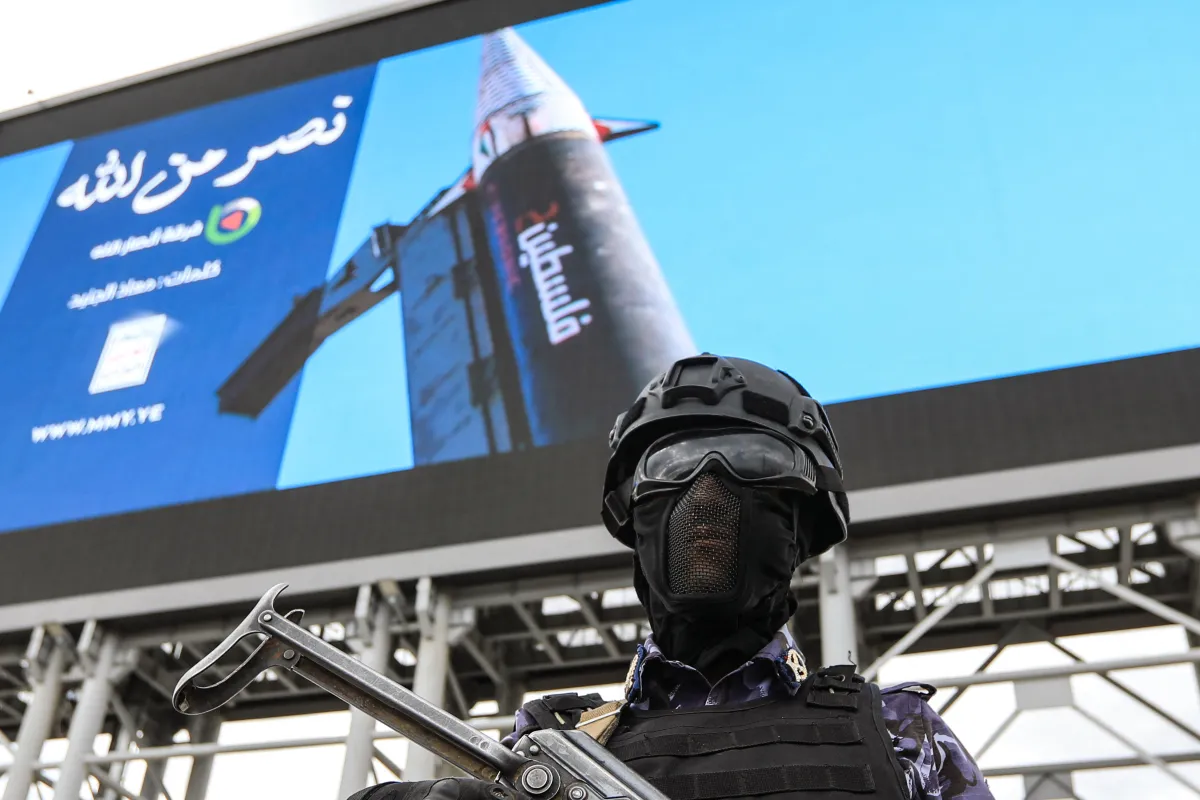
Imagine the silent, vast highways of the open ocean, where massive steel container ships and towering oil tankers quietly carry the physical lifeblood of our global civilization. For the average consumer, these trade routes are invisible, a seamless magic trick that delivers fresh produce, electronics, and vital fuel to our doorsteps. Yet, this entire global engine relies on a few remarkably narrow, fragile marine passages—vital veins that can be instantly severed by the hands of geopolitical conflict. Once again, that raw fragility has been laid bare as Yemen’s Ansar Allah movement, widely known as the Houthis, announced a “total ban” on Israeli-linked shipping through the Red Sea. This aggressive maneuver is not an isolated incident; it is a direct, strategic reaction to the ongoing, highly volatile standoff between the United States and Iran, which has already thrown vital energy trade through the strategic Strait of Hormuz into deep disarray. For the brave merchant mariners who navigate these dangerous waters every single day, the modern-day shipping lanes have suddenly transformed into a terrifying, high-stakes gauntlet. Ordinary sailors now find themselves caught in the literal crosshairs of drone strikes, naval blockades, and anti-ship missiles, forcing international shipping companies to make an agonizing, incredibly expensive decision: risk the safety of their crews in a chaotic war zone, or face massive commercial delays by rerouting ships around the entire southern tip of the African continent. This maritime crisis serves as a stark reminder of how quickly distant political decisions can ripple outward, disrupting local livelihoods, driving up fuel prices, and reminding an interconnected world that peace on land is inextricably linked to safety on the high seas.
To understand what drives the Yemeni rebels to wield such a devastating economic weapon, one must look closely at the catastrophic humanitarian reality that has defined Yemen for over a decade. Having endured years of a brutal civil war and a suffocating Saudi-led blockade that brought the nation to the brink of mass starvation and economic ruin, the Houthis view their actions through a lens of profound survival and defiant regional solidarity. From their perspective, the maritime blockade they are imposing is a direct, justified response to what they describe as “unjust sieges” on Yemen, Gaza, and Iran by Western powers and their regional allies. Ansar Allah’s leaders frame their actions not as mindless, chaotic piracy, but as a moral obligation to stand in solid unity with their allies in the Axis of Resistance, opposing Israeli military operations that have devastated civilian areas in Gaza and Lebanon. Their official statements ring with an intense sense of desperate urgency, arguing that they are fighting to end the historical suffering of their own oppressed people while pointing out what they perceive as the international community’s deep hypocrisy. This narrative of a “unity of the arenas” resonates deeply among a war-weary population that has felt abandoned by global diplomacy for nearly a decade. By intentionally choking off the very shipping lanes that the Western world relies upon, the rebels are attempting to force the international community to care about their plight, using the global economy as leverage to demand an end to local sieges and economic warfare that have long devastated civilian life across the Middle East.
Behind the naval maneuvers and explosive missile strikes lies a deeply dramatic, high-stakes diplomatic chess game characterized by fierce political rivalries, broken promises, and the fragile pursuit of peace. U.S. President Donald Trump had initially sought to de-escalate the broader regional conflict by brokering a delicate, hard-fought ceasefire on April 8, which paved the way for intense, complex negotiations with Iranian diplomats. However, these delicate peace talks were instantly challenged by the organic tension of regional priorities; while Iran demanded Lebanon be part of any final agreement, Israeli Prime Minister Benjamin Netanyahu pursued a fiercely independent, aggressive agenda. Determined to deliver a definitive, crushing defeat to the Lebanese militant group Hezbollah, Netanyahu defied direct U.S. warnings and significantly intensified military operations in Lebanon, demanding the group’s total disarmament by the Lebanese government, which accused both sides of dragging the country to ruin. This aggressive expansion of the war front created immense, raw friction between Washington and Jerusalem, leading to a highly publicized, heated exchange in which Trump reportedly demanded that Israel halt its planned bombings in Beirut. When the Israeli Defense Forces proceeded with the devastating airstrikes anyway, the fragile U.S.-led diplomatic ceasefire collapsed like a house of cards. In direct retaliation for these attacks on the Lebanese capital, Iran unleashed its first major missile barrage against Israel since the April truce, demonstrating how easily personal political calculations can shatter the most hard-fought diplomatic breakthroughs and drag millions of innocent civilians back into the shadow of total, unchecked war.
What followed this diplomatic collapse was a rapid, terrifying spiral of modern warfare that brought the Middle East to the absolute precipice. Rejecting public appeals from the White House to break the cycle of violence, Israel launched a series of sophisticated, high-impact airstrikes targeting air defense installations, military bases, and petrochemical facilities within Iran. In a matter of hours, the skies over major cities like Tehran and Tel Aviv were filled with the terrifying roar of incoming missiles, the blinding flashes of air defense interceptions, and the persistent wail of air defense sirens, forcing ordinary families on both sides of the conflict to scramble into underground bomb shelters in absolute dread. Amidst this chaotic rain of fire, the Houthis sought to project their own power by launching long-range missile strikes targeting sensitive military positions in the heart of Tel Aviv, though Israeli defense systems managed to intercept the threat before it caused mass casualties. The breakneck speed at which this conflict was expanding was temporarily halted in a bizarrely modern twist of digital age diplomacy, when President Trump published a blunt, desperate message on Truth Social demanding that both nations immediately stop shooting. Surprisingly, just hours after this public plea, the Iranian military’s central headquarters announced a temporary halt to its operations, demonstrating the fluid, unpredictable, and highly personalized nature of contemporary geopolitical communication, where a single post online can briefly quiet the guns of war and provide a moment of relief to populations holding their breath in fear of annihilation.
The economic shockwaves of this prolonged military standoff are beginning to register across the global economy, threatening to trigger severe, long-term inflation that will impact everyday families around the world. Rerouting massive cargo vessels away from the Red Sea and around South Africa’s Cape of Good Hope is not simply a minor logistical headache; it is an incredibly costly endeavor that adds up to a million dollars in extra fuel, crew wages, and operating expenses for every single journey, while adding weeks of delay to critical supply chains. These soaring transportation costs are further worsened by the inflated insurance premiums and steep transit fees currently plaguing the Strait of Hormuz, where the shadow of an Iranian blockade has turned one of the world’s most critical energy chokepoints into an incredibly risky, high-cost gamble. For global supply chains, a simultaneous disruption of both the Red Sea and the Persian Gulf represents an absolute worst-case scenario, driving up the cost of daily fuel, food, and basic consumer goods, making life harder for everyday families who must bear the financial brunt of this instability. It also creates a severe scarcity of commercial vessels, as ships are forced into much longer voyages, artificially driving up container prices to historic highs. This structural economic pain has placed immense political pressure on the White House, which must navigate a deeply frustrated domestic electorate worried about rising utility bills and inflation, while simultaneously trying to crack down on a highly resilient Iranian regime that has spent decades learning how to withstand the paralyzing effects of international sanctions and U.S. naval blockades on its own vital domestic ports.
Ultimately, this complex web of conflict leaves the international community facing a deeply entrenched deadlock with no simple military solution in sight. The United States previously attempted to break the Houthi stronghold in the Red Sea through an intense, multi-week campaign of airstrikes, but the rebel group has proven remarkably resilient, maintaining a vast, hidden weapons arsenal and retaining firm political control over nearly eighty percent of Yemen’s war-weary population, including the seized capital of Sanaa. Furthermore, Yemen’s internationally recognized government, though long supported by Saudi Arabia, has shown little interest in launching a fresh domestic offensive against the Houthis, choosing instead to focus its limited resources on managing internal political divisions and local separatists. This reluctance highlights a profound, widespread exhaustion among neighboring Gulf nations, such as Saudi Arabia and the United Arab Emirates, who are desperately calling for regional de-escalation after previously finding themselves under direct attack from Iran during this high-stakes maritime war. As these wealthy Gulf states realize that their ambitious plans for futuristic economic development and regional leadership depend entirely on peaceful, open ocean routes, they are quiet but urgent voices urging a diplomatic pivot. The current crisis serves as a stark, sobering lesson for global powers: until the root causes of regional grievances, poverty, and local blockades are addressed with genuine empathy and diplomatic courage, the global economy will remain dangerously vulnerable to a handful of strategic waterways where a single spark can easily ignite a world on fire.