





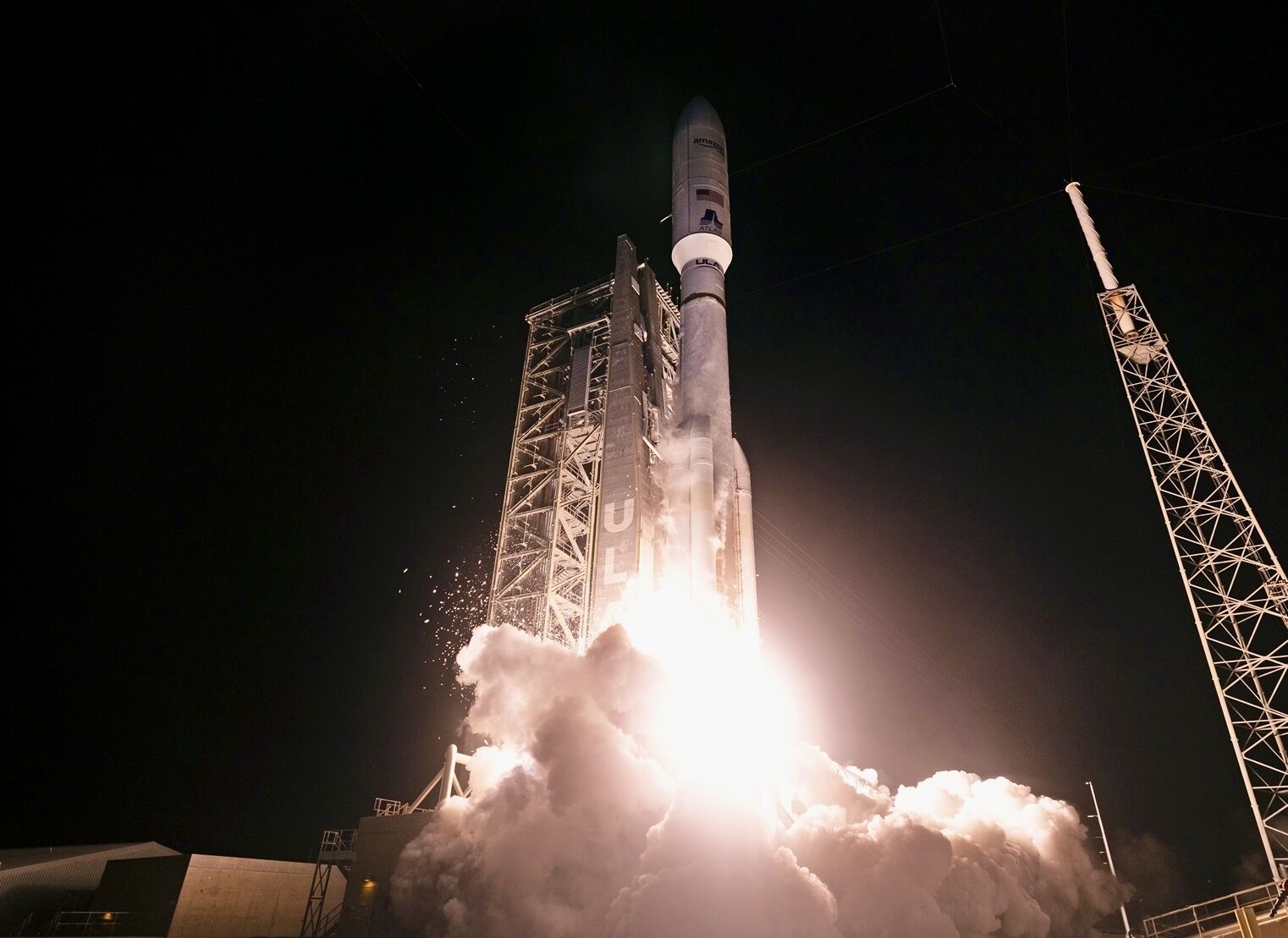
In the quiet, predawn hours of July 2, 2026, a spectacular display of human engineering and ambition illuminated the coast of Florida. At exactly 12:30 a.m. Eastern Time, a United Launch Alliance Atlas 5 rocket tore through the darkness at Cape Canaveral Space Force Station, carrying a precious cargo of 29 Amazon Leo satellites into the silent expanse of low Earth orbit. To the casual observer, the launch was a breathtaking streak of gold and white fire slicing through the night sky, but to the teams of engineers, developers, and visionaries watching from control rooms across the country, it was the culmination of years of tireless work and the official dawn of a new era in global connectivity. This mission represents a monumental turning point for Amazon Leo, as it establishes the foundational constellation required to transition from experimental testing to a living, breathing commercial telecommunications network designed to bridge the digital divide. Space internet is no longer a futuristic concept reserved for science fiction; it is rapidly becoming an essential piece of global infrastructure, and this overnight flight was the catalyst that will soon bring high-speed, low-latency broadband to millions of underserved households, schools, and businesses around the planet, marking the birth of a formidable new competitor in the space-based internet market.
This historic launch also marked a bittersweet milestone in rocket history, as it represented the eighth and final Atlas 5 launch that Amazon had contracted with United Launch Alliance to deliver its early architecture to orbit. Moving forward, the logistics of building a constellation of this scale require a massive transition to next-generation heavy-lift rockets, introducing a highly coordinated dance across the global aerospace supply chain. Amazon has secured an unprecedented portfolio of launch reservations, leaning heavily on ULA’s state-of-the-art Vulcan rocket, alongside heavy-lift vehicles from Blue Origin, Arianespace, and even its chief rival, SpaceX. Humanizing this massive logistical triumph is Melissa Wuerl, Amazon Leo’s director of launch systems, who explained that with hundreds of flight-ready satellites prepared and a brand-new, dedicated vertical integration facility operational at Cape Canaveral, the company is poised to rapidly accelerate its deployment cadence. This shift from custom, low-volume satellite launches to a highly streamlined, assembly-line process is what makes the modern space race so fascinating, showing how industrial manufacturing has evolved to support the daily routine of launching heavy machinery into the vacuum of space to rebuild how humanity communicates.
With the successful deployment of these 29 new orbiters, Amazon Leo’s active constellation has grown to a robust 396 operational satellites. While this number is only a fraction of the final planned network, it represents the critical tipping point required to achieve continuous, uninterrupted coverage in the initial geographical regions targeted for commercial rollout. For months, a select, highly enthusiastic group of beta testers has been trialing the system, navigating the challenges of intermittent signals as the sparse satellite coverage drifted overhead, but that era of spotty connectivity is drawing to a close. Chris Weber, vice president of business and product for Amazon Leo, captured the cautious optimism of his team in a heartening social media update, acknowledging that while there is still a mountain of work ahead—chiefly the meticulous process of maneuvering each newly arrived satellite into its precise operational altitude—the hardest part of the initial deployment phase is complete. This phase of the project highlights the human element behind satellite internet; behind every successful connection is a team of orbital mechanics and flight controllers gently nudging delicate, multi-million-dollar machines through the thermosphere to ensure that when a customer clicks a link, the signal is there to meet them.
As Amazon prepares to officially launch its commercial service later this year, it steps directly into a high-stakes, consumer-facing showdown with SpaceX’s deeply entrenched Starlink network. Starlink currently boasts an intimidating head start, with more than 10,000 active satellites in orbit and a massive global customer base exceeding 12 million subscribers who rely on the service daily. Interestingly, this colossal clash of tech titans is unfolding with a remarkably local flavor, as the manufacturing facilities for both Starlink and Amazon Leo are situated just miles apart in the Seattle metropolitan area, turning the Pacific Northwest into the undisputed capital of the modern space age. Despite SpaceX’s dominant lead, the entry of Amazon Leo is poised to inject healthy competition into the market, driving down consumer prices, fostering rapid innovation, and providing a crucial safety net of redundant connectivity. Amazon’s long-term vision is staggering, with its first-generation constellation of 3,232 satellites slated for full deployment by mid-2029, and regulatory agencies have already greenlit plans for an even more advanced second-generation network to future-proof the company’s extraterrestrial infrastructure.
Looking beyond traditional ground stations and home rooftop dishes, the battlefield for satellite internet is rapidly shifting toward direct-to-device connectivity, a technological frontier that promises to link ordinary smartphones directly to satellites without the need for specialized hardware. While SpaceX has actively developed its own direct-to-cell capabilities, Amazon has made a brilliant, aggressive strategic countermove by acquiring Globalstar, a pioneer in satellite communications. Under the terms of a separate, highly anticipated agreement tied to this acquisition, the Amazon Leo network will begin powering Apple’s groundbreaking iPhone satellite services starting in 2028. This partnership holds profound human significance; it means that in the very near future, anyone carrying a standard smartphone into the deep desert, onto the vast oceans, or into the heart of a natural disaster zone will possess a reliable, space-backed lifeline to contact loved ones and emergency services. This evolution from bulky maritime antennas to invisible, seamless background connections on the devices we carry in our pockets represents the ultimate humanization of space technology, integrating orbital mechanics directly into our daily narratives of safety, adventure, and domestic life.
Ultimately, the successful midnight flight of the Atlas 5 is about much more than impressive telemetry, corporate rivalry, or stock market valuations; it is about the profound human impact of closing the digital divide that still separates billions of people from the modern world. In an era where access to high-speed internet is no longer a luxury but an absolute prerequisite for basic education, modern healthcare, economic mobility, and civic participation, projects like Amazon Leo represent a bridge to a highly equitable future. The true success of this network will not be measured solely by the thousands of satellites orbiting silently in the cold dark of space, but by the rural classrooms that can finally access online learning libraries, the remote clinics capable of consulting with world-class specialists via telemedicine, and the family-owned businesses in isolated communities that can suddenly participate in the global economy. As those 29 new satellites drift steadily toward their assigned orbits, they weave a tighter, more resilient digital fabric around our planet, reminding us that whenever humanity reaches into the stars, our ultimate goal is to make life infinitely better for everyone back on Earth.