





Gen Con has long reigned as the spiritual and physical heart of North America’s tabletop gaming community, transforming the downtown streets of Indianapolis into a bustling, vibrant sanctuary where polyhedral dice clack against tables and collaborative imagination takes center stage. In the frantic build-up to this year’s convention, Wizards of the Coast, headquartered in Renton, Washington, pulled back the curtain to give the press an exclusive, early look at an incredibly ambitious slate of announcements designed to redefine the landscape of their flagship property, Dungeons & Dragons. Since acquiring the legendary game in 1997, Wizards has presided over a staggering, meteoric rise in D&D’s cultural relevance, steering it from a niche, misunderstood pastime of the twentieth century into a multi-billion-dollar global entertainment phenomenon. Even when navigating the turbulent waters of intense industry competition, changing player demographics, and occasional self-inflicted public relations stumbles, D&D remains the undisputed, immovable monolith of the tabletop roleplaying game (TTRPG) space, a brand so overwhelmingly dominant that its name is routinely used as shorthand for the entire hobby. The massive roadmap unveiled for the coming year represents a deliberate, passionate effort by Wizards to honor this storied legacy while simultaneously projecting the game into the future, showcasing a multi-pronged strategy that details a sweeping brand-wide revival, a profound overhaul of their digital ecosystem, and structural changes to how classic campaign worlds are supported. Ultimately, this newly announced vision recognizes that the modern player demands a seamless synthesis of nostalgia and innovation, honoring the deep, historic roots of the game while opening the floodgates to new collaborative opportunities, cross-media partnerships, and highly polished digital utility tools that fit the busy, connected lifestyle of the contemporary gamer.
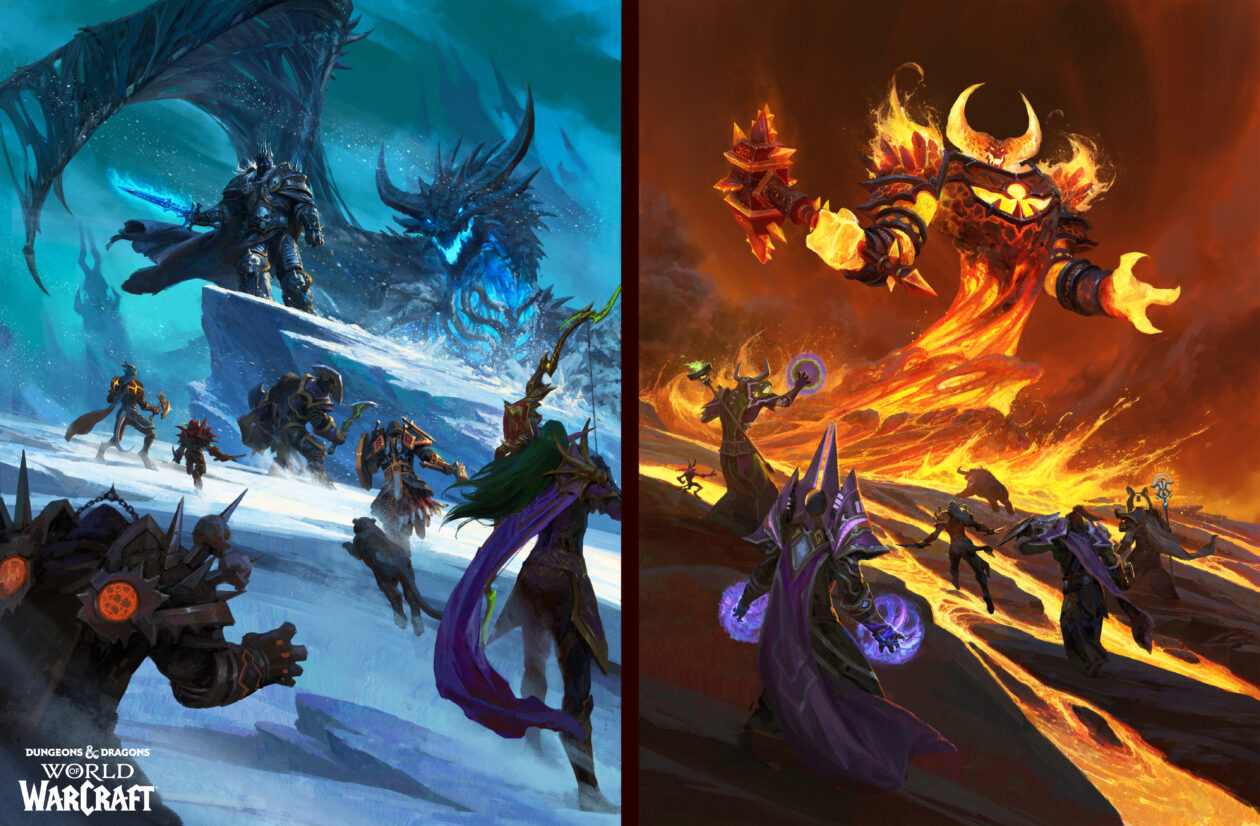
Perhaps the most headline-grabbing revelation of the showcase—and one guaranteed to capture the attention of mainstream media far beyond the traditional borders of the tabletop community—is the official debut of a bold new series of expansions operating under the “Universes Beyond” banner, a concept designed to bridge the world’s most popular TTRPG with other beloved pop-culture intellectual properties. Spearheading this initiative on November 17 is the highly anticipated release of an official World of Warcraft sourcebook, co-created by veteran D&D designer and avid WoW player James Wyatt. For over three decades, Blizzard Entertainment’s Warcraft franchise has stood as an absolute titan of the fantasy genre, starting from its roots as an inventive 1994 real-time strategy game—itself famously born from a passionate, Warhammer-inspired foundation—and evolving into the world-conquering, generation-defining MMORPG that launched in 2004 and continues to captivate millions today. Over its long and storied life, World of Warcraft has transformed its gritty, traditional high-fantasy atmosphere into a sprawling, cosmic space opera, currently unfolding through the monumental “Worldsoul Saga” where players wage war across the shattered landscape of Azeroth to protect its slumbering titan world-soul from the corrupting influence of the void. Wyatt’s sourcebook is meticulously engineered to let players effortlessly translate these legendary factions, iconic locations, and complex gaming mechanics directly into D&D’s fifth edition ruleset, spanning decades of lore from the early days of the RTS to the newest Midnight expansion. Players can expect fully realized playable rules for iconic Azerothian species like the draconic dracthyr, the noble, earth-bound tauren, the stone-forged earthen, and the beloved, elemental pandaren, alongside new D&D subclasses representing classic online archetypes like death knights, shadow priests, and demon hunters. Crucially, this book represents a massive evolutionary leap over the 2003 third-party adaptation, Warcraft: The Roleplaying Game, because as an official, first-party Wizards imprint, this book does not need to waste precious page space re-explaining fundamental rules, allowing the creators to devote every single page to rich lore, immersive worldbuilding, and translating legendary raids, like a high-level descent into the terrifying, frozen corridors of Icecrown Citadel, into magnificent, tabletop-ready dungeon crawls.
While high-profile crossover events are bound to excite mainstream audiences, Wizards of the Coast also turned its gaze deeply inward to its own rich legacy, presenting a series of thrilling announcements that sent shockwaves through the hardcore D&D community, most notably the long-awaited resurrection of the beloved Dark Sun campaign setting slated for 2027. Originally introduced in 1991, Dark Sun stands as one of the most uniquely grim, bleak, and unforgiving realities ever written for the game; it is a world defined by a scorched, post-apocalyptic desert wasteland called Athas, where traditional magic is a destructive force that physically drains the life-force of the planet, and where tyrannical, immortal sorcerer-kings rule over impoverished, desperate populations. Marking the first official support for this brutal setting since 2010, Wizards announced that this new iteration will intentionally lean into its uncompromising, survival-focused narrative, making it the very first product in the company’s history to ship with an official mature content warning. To ensure that such beloved, diverse settings receive the continuous, high-quality care they deserve without overwhelming Wizards’ internal design teams, Executive Producer Greg Bilsland announced a brilliant new decentralized publishing initiative entitled “Annual Setting Support.” This masterfully designed program establishes strategic partnerships with renowned, high-caliber third-party publishers to deliver yearly, official supplements for D&D’s legacy campaign settings, fostering a healthier, more collaborative industry ecosystem. Under this new collaborative umbrella, 2027 will see the gothic horror of Ravenloft expanded by the Australian gothic-fantasy veterans at Ghostfire Gaming, the magitech-noir intrigue of Eberron enriched by Visionary Productions in Canada, and the classic, beloved expanses of the Forgotten Realms bolstered by the masterful world-builders at Kobold Press, signaling an exciting era of open-ended, community-driven development that honors the creative voices who have kept these worlds alive for decades.
Further bridging the gap between historical reverence and modern star-power, Wizards unveiled “D&D Icons,” a prestigious content program led by Hollywood actor, legendary geek ambassador, and high-profile D&D enthusiast Joe Manganiello in his newly appointed role as Creative Director. This initiative represents an emotional, triumphant homecoming for the hobby, serving as a platform to welcome back the foundational architects of tabletop fantasy, including literary giants like Margaret Weis, Tracy Hickman, and the incredibly prolific R.A. Salvatore, who has kept the flame of the drow ranger Drizzt Do’Urden burning bright for nearly forty years through almost annual novel releases. Beyond celebrating these pillars of the genre, the Icons program is poised to deliver what is undoubtedly the most sentimental and historically significant project in modern tabletop history: a collaborative endeavor featuring Luke Gygax, the son of D&D’s legendary late co-creator Gary Gygax. Luke is actively working to complete an unfinished, lost adventure manuscript left behind by his father, offering players a deeply personal, once-in-a-lifetime opportunity to embark on an epic quest designed through the literal eyes of the man who co-created the entire roleplaying game industry. Destined for a tentative release next year, this poignant, generational bridge serves as a powerful reminder of the human connections at the heart of Dungeons & Dragons, reminding a new generation of players that every dice roll, character sheet, and shared epic story is part of an unbroken lineage of creativity and familial passion that stretches back to a humble basement in Lake Geneva, Wisconsin, over half a century ago.
The grand tapestry of releases continues to unfold with major announcements that span both classical paper-and-pencil adventures and cutting-edge digital interactive media, ensuring that players of all preferences are captured in this next wave. In 2027, veterans and newcomers alike will return to D&D’s very first official campaign setting of Greyhawk in Crown of the Witch Queen, a thrilling new campaign that directly pits players against the legendary, deadly vampire warrior Drelnza—a beloved antagonist who first terrorized players decades ago in the classic adventure module The Lost Caverns of Tsojcanth—as she launches a terrifying campaign to reclaim her dark biological birthright as the daughter of Baba Yaga. Simultaneously, Wizards is aggressively expanding its narrative universe into the digital realm with the upcoming video game Warlock: Dungeons & Dragons. In an inspired casting decision that has already generated immense excitement across the gaming community, the developers have cast Maggie Robertson (famed for her iconic, award-winning performance as Lady Dimitrescu in Resident Evil Village) to provide her commanding, mesmerizing vocal talents to one of D&D’s most famous and morally complex characters, the legendary and sarcastic archmage Tasha. Fans eager to see how this rich story translates to modern gaming hardware won’t have to wait long, as the developers have scheduled an exclusive first-look gameplay reveal for August 25 during the prestigious Gamescom conference in Germany, paving the way for a cross-media ecosystem where tabletop lore and digital blockbuster execution live in perfect, harmonious symbiosis.
Ultimately, a game is only as strong as its community and the ease with which player groups can gather around the table, a reality that Wizards of the Coast is addressing head-on through a series of major, player-centric quality-of-life updates to its ubiquitous digital toolset, D&D Beyond. Recognizing that the modern play experience often involves a delicate, sometimes clumsy dance between traditional paper sheets and mobile screens, developers are rolling out a completely redesigned mobile interface designed to make smartphones and tablets silent, seamless partners at the physical gaming table, allowing players to look up rules, manage complex inventories, and track spells on the fly without breaking the vital immersion of the narrative. Even more revolutionary is the impending launch of a built-in “Looking for Group” matchmaking feature, a highly sophisticated digital tool designed to help players easily find compatible groups to play with, whether they are looking for local brick-and-mortar face-to-face sessions, virtual tabletop campaigns across continents, or even looking to hire professional, paid Dungeon Masters. While the concept of a “paid DM” might still evoke a feeling of nostalgic strangeness for those who grew up playing strictly with childhood friends around a cluttered kitchen table, its rapid rise reflects the beautiful, sprawling maturation of the hobby, proving that Dungeons & Dragons has evolved into a vibrant, professionalized, and endlessly welcoming universe where the passion for storytelling transcends demographic boundaries, and where finding your next great adventure is now just a single click away.