






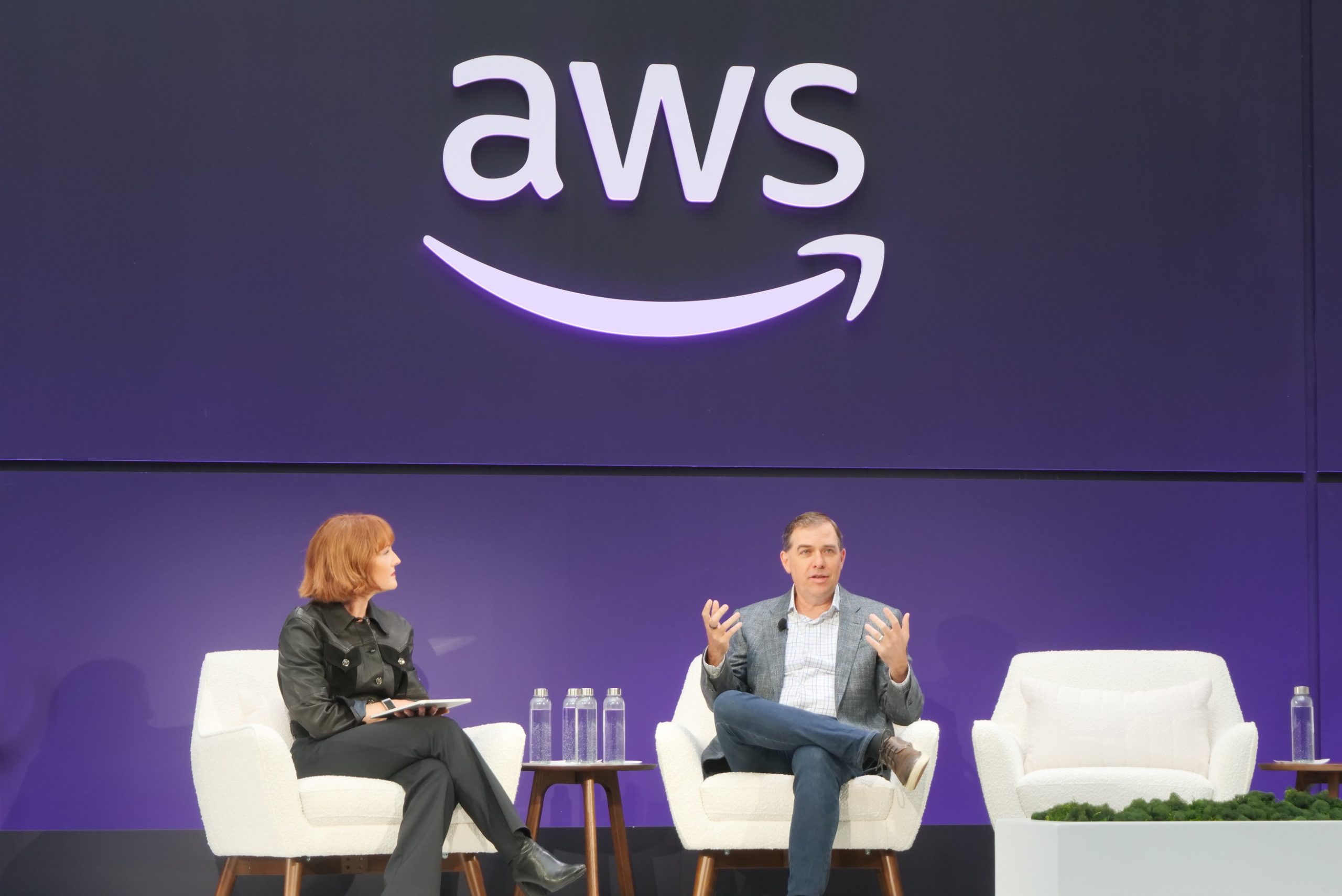
At the towering headquarters of Amazon Web Services, leadership faces a delicate, high-stakes balancing act that defines the current era of the technology sector. On one side of the scale sits breathtaking, record-shattering growth, with AWS chief executive Matt Garman and Amazon’s overarching CEO Andy Jassy presiding over an enterprise that recently watched its cloud division revenue surge by an astonishing 37% last quarter—its most rapid acceleration since the optimistic heights of late 2021. On the other side of this scale, however, lies an insatiable, extraordinarily expensive appetite for the physical infrastructure required to fuel the global artificial intelligence boom. This insatiable appetite manifested in Amazon’s overall quarterly revenue reaching a staggering $200.6 billion, beating Wall Street’s expectations and lifting operating income by 43% to $27.5 billion. Yet, because the company is pouring unprecedented fortunes into building the physical data centers, buying real estate, and securing power grids crucial for AI, Amazon’s trailing twelve-month free cash flow slipped into negative territory for the first time since early 2023. It is a classic narrative of spending immense fortunes today to secure dominance over the economy of tomorrow, illustrating the high-wire act of modern corporate leadership where even a historical haul of $200.6 billion must be immediately funneled back into the ground.
To understand why a company making hundreds of billions of dollars would suddenly find its actual cash reserves tightening, one must look at the unique mechanics of the cloud computing paradox. AWS itself has become an absolute juggernaut, generating $42.2 billion in just three months, which translates to an eye-watering annualized run rate of nearly $169 billion. Perhaps even more impressively for investors, the operating margin for AWS climbed from 32.9% to a stellar 39.4%, proving that the company is highly skilled at turning digital pipelines into highly profitable endeavors. However, the physical reality of cloud computing is incredibly capital-intensive; over the past twelve months, Amazon generated a massive $161.4 billion from its day-to-day operations, but spent an even more jaw-dropping $169 billion on property, equipment, warehouses, and advanced hardware. This massive spending spree created a capital shortfall, leaving the company with a negative free cash flow of $7.6 billion, a steep contrast to the healthy $18.2 billion surplus they enjoyed just twelve months prior. In simple, human terms, free cash flow is the liquid money a business has left in its bank account after paying for its daily survival and building the new facilities it needs to grow. It is the financial safety net that allows a corporation to pay back debt, reward shareholders, or comfortably pivot during an economic crisis, making this sudden plunge into the red a striking indicator of just how aggressively Amazon is prioritizing future AI dominance over current cash comfort.
Behind the scenes of this massive financial shift represents a profound story of corporate leadership, strategy, and patience. Confronted with the reality of an anxious investment community watching these heavy capital expenditures closely, CEO Andy Jassy stepped in to reframe the conversation not as a reckless spending spree, but as a calculated, long-term real estate investment. On the company’s recent earnings call, Jassy revealed that Amazon is actualizing plans to boost its cash capital expenditures to a monumental $220 billion for the calendar year, a bump from previous estimations caused largely by the soaring costs of advanced memory chips. Jassy walked investors through the human and material logistics of building a digital empire, explaining that constructing a physical data center takes about two full years of pouring concrete, securing fiber-optic networks, and designing massive utility cooling systems before a single server can be turned on to generate revenue. Once those concrete structures are complete, however, they can be monetized for more than three decades without repeating that massive upfront expense, while the shorter-lived physical servers, which take about three years to pay for themselves, enjoy operational lifespans of up to six years. To further soothe Wall Street’s nerves, Jassy shared a comforting secret: the vast majority of this newly built AI capacity is not speculative guesswork, but is already locked down by major enterprise customers under long-term contracts lasting five years or longer.
While AWS builds out this immense physical real estate, the true digital gold rush is occurring on a microscopic level within the custom silicon chips powering these server farms. Jassy dynamically highlighted that both Amazon’s proprietary AI services and its specialized chip-making businesses have individually crossed annualized run rates of $25 billion, a remarkable leap from the $20 billion run rate recorded just three months earlier. This pivot toward designing internal chips represents a bold attempt by Amazon to liberate itself from the supply-chain bottlenecks and premium pricing of external semiconductor giants like Nvidia. At the same time, the company’s financial sheet displayed a dazzling, albeit complex, overall net profit of $62.6 billion, or $5.75 per share, but a closer look at this number reveals a fascinating paper-based reality. An overwhelming $53.4 billion of that profit was driven by pre-tax paper gains on Amazon’s strategic venture investments, most notably its multi-billion-dollar stake in the artificial intelligence startup Anthropic, which competes directly with OpenAI. Without these volatile paper valuations, Amazon’s true earnings per share sat closer to $1.95—still comfortably ahead of Wall Street’s $1.82 predictions and enough to propel the stock up by more than 8% in after-hours trading, showcasing how deeply investor enthusiasm is tied to the brand’s AI associations.
Away from the complex calculations of silicon chips and data centers, the everyday human heart of Amazon remains deeply rooted in the physical packaging, shipping, and home deliveries that define modern domestic life. The company’s core online store sales expanded by 15% to $70.4 billion, reflecting a significant acceleration from the 10% growth rate observed in the same period last year. This retail resurgence was largely driven by a bold tactical move: shifting the massive annual Prime Day shopping event entirely into June, which pulled a tidal wave of mid-summer consumer spending directly into the second quarter. This seasonal shift created a powerful ripple effect across Amazon’s massive ecosystem of independent merchants and third-party sellers, who now collectively account for 61% of all items purchased on the global platform. For these small business owners, entrepreneurs, and global importers, Amazon’s marketplace is the literal lifeline of their operations, which in turn generated a record-breaking $46.8 billion for Amazon through fulfillment, shipping commissions, storage fees, and delivery logistics. By integrating Prime Day into the second quarter, Amazon successfully generated a massive wave of immediate economic activity that benefited both its own bottom line and the millions of small businesses that populate its digital aisles.
Ultimately, this incredible web of retail transactions, artificial intelligence, and physical infrastructure is knit together by Amazon’s high-performing subscription services and digital advertising platforms. Advertising revenue, powered by brands vying for prime digital real estate on the retail website and the company’s streaming media networks, leaped by 26% to reach $19.8 billion in the quarter, bringing its yearly advertising run rate to an impressive $76 billion. Meanwhile, stable consumer subscription fees, including the iconic Amazon Prime membership, grew at a consistent 12% clip to land at $13.7 billion, showing remarkably resilient subscriber loyalty despite periodic market rumors of a subscription rate increase. When we look past the dizzying billions and the corporate jargon of earnings transcripts, the picture of Amazon that emerges is one of a company utilizing its massive retail dominance to fund a technological revolution. By channeling the pennies and dollars spent by everyday shoppers on household items directly into the concrete, steel, and high-performance silicon of global AI networks, Amazon is making a monumental, history-defining bet. They are betting that the temporary pain of negative free cash flow today will secure their position as the indispensable operating system of our digital future for decades to come.