





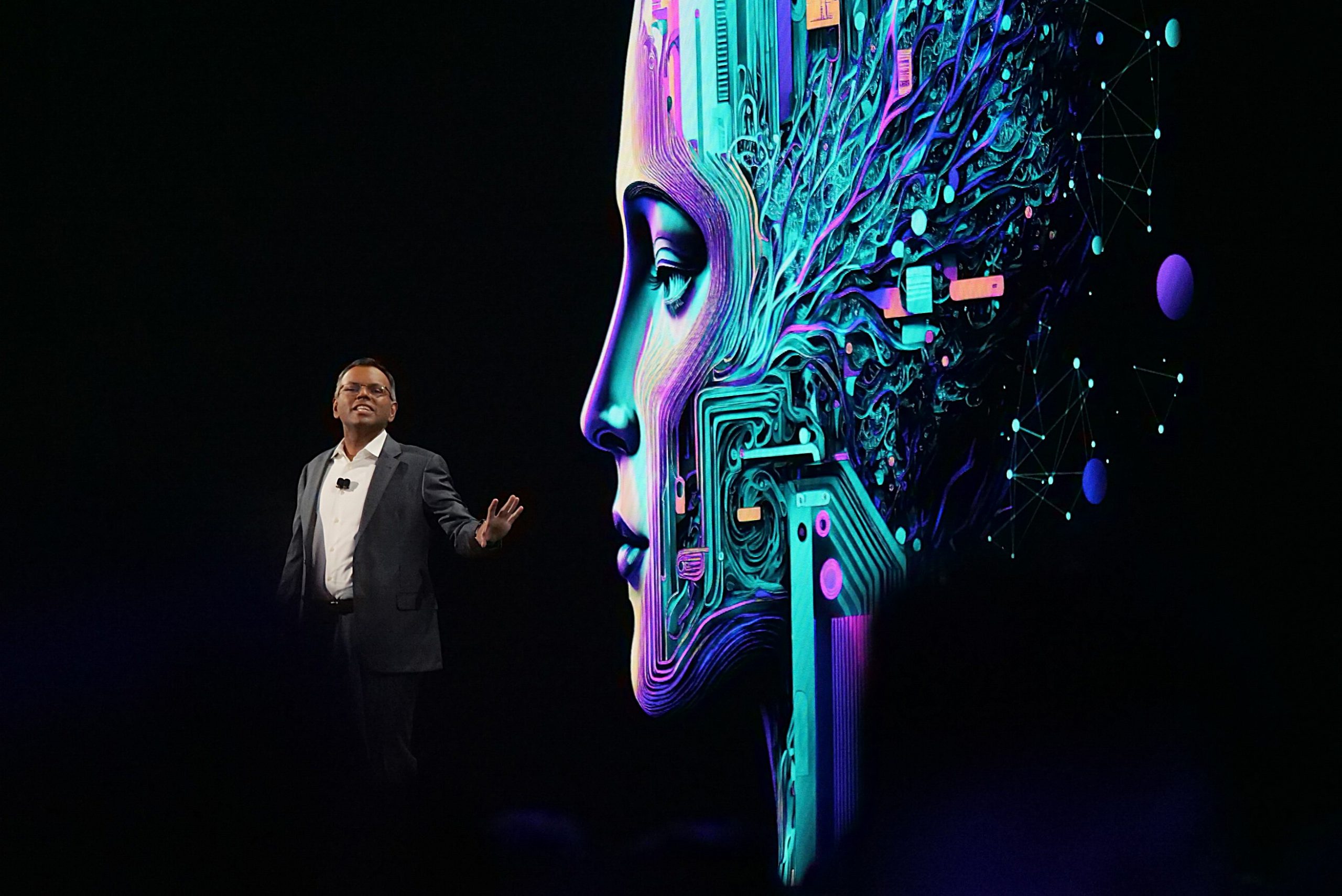
In the rapidly shifting landscape of modern cloud computing, few figures have quietly wielded as much influence over how businesses store, process, and understand data as Swami Sivasubramanian. Recently, Amazon announced a substantial evolution in his responsibilities, expanding and officially renaming his division to the “Agentic AI & Emerging Technologies” organization. This corporate transition, which Sivasubramanian shared in an open, reflective LinkedIn post, is much more than a routine title upgrade; it represents a fundamental realignment of how Amazon Web Services (AWS) intends to navigate the turbulent waters of the artificial intelligence boom. By tasking him with a broader mandate to steer both AI strategy and technical direction across the entire cloud division, AWS is positioning one of its most seasoned veterans to bridge the gap between speculative cutting-edge research and the practical, everyday tools that developers desperately need. Sivasubramanian himself described this new frontier of “emerging technologies” as the essential, uncharted territory of tech—the highly experimental work that resists neat categorization precisely because the underlying technologies do not yet fully exist in the public eye. For a builder who played pivotal, formative roles in developing DynamoDB—now a foundation of modern database architecture—as well as Bedrock, AWS’s flagship platform for accessing third-party AI models, this ambiguous, high-stakes realm is familiar territory. In an industry moving at a breakneck, often disorienting speed, Sivasubramanian emphasizes the human necessity of occasionally pausing, pressure-testing fragile ideas, and maintaining a birds-eye view to help far-flung engineering teams scale their creations into meaningful, real-world utility.
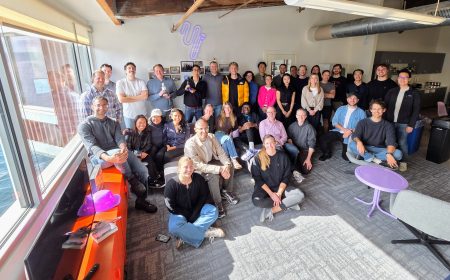
To truly understand how this structural change will play out on the ground, one must look at the unique, culturally distinct operational methods that Sivasubramanian has championed within Amazon. For the past several years, his agentic AI division has functioned as a high-stakes test case for running a lean startup inside a global corporate behemoth. By reviving and adapting Amazon’s classic “two-pizza team” philosophy—the famous organizational strategy where teams are kept small enough to be fed by just two pizzas—Sivasubramanian has successfully cut through the paralyzing bureaucratic red tape that often plagues massive technology enterprises. This cultural experiment has yielded impressive results, allowing tight-knit groups of engineers to prototype, refine, and ship complex software solutions in a matter of months rather than the traditional, year-long corporate cycles. This human-focused startup ethos is designed to foster a sense of psychological safety, absolute ownership, and creative freedom among individual developers, encouraging them to take bold risks without fear of administrative gridlock. It constitutes a deliberate attempt to preserve the hungry, agile soul of a young tech company even as AWS operates at a scale that powers massive global infrastructure. By maintaining this organizational agility, Sivasubramanian hopes to keep Amazon at the absolute razor’s edge of the agentic AI movement, where autonomous software agents are increasingly expected to perform complex, multi-step digital workflows on behalf of human users.
Under Sivasubramanian’s newly expanded umbrella, this nimble operational style will now be applied to an incredibly diverse and highly sophisticated technical portfolio. He will retain direct oversight of pioneered teams behind innovative services like Kiro, Amazon Quick, and AWS Transform, while simultaneously absorbing highly complex new domains such as neurosymbolic AI and the recently unveiled AWS Context. To the average business owner or system administrator, these terms can sound like dense technical jargon, but their real-world, human implications are profound. Neurosymbolic AI, for instance, represents a fascinating effort to combine the intuitive, pattern-matching strengths of deep learning models with the logical, rule-based reasoning of traditional computer science, creating software that is both creative and intellectually rigorous. Meanwhile, AWS Context acts as a kind of digital cartographer, scanning and stitching together a company’s disparate, messy datastores into an elegant, highly structured “knowledge graph.” This allows autonomous AI agents to query corporate data with a deep, relational understanding of how a business actually operates day-to-day, rather than just matching keywords in a search bar. To ensure these sophisticated systems remain safe, predictable, and aligned with human intentions, AWS also recruited former Microsoft security executive Shawn Bice to lead the Automated Reasoning Group, employing rigorous mathematical verification techniques to guarantee that autonomous AI agents do exactly what they are programmed to do and nothing more.
This major expansion of Sivasubramanian’s role comes at a time of significant transition and deep reflection across Amazon’s entire corporate structure, particularly regarding its long-term artificial intelligence strategy. Just recently, Amazon underwent a series of quiet but impactful layoffs within its core artificial general intelligence (AGI) division, alongside the confirmed closure of its dedicated AGI hub in San Francisco. Behind these corporate announcements are very real human stories of talented researchers, engineers, and scientists finding themselves at pivotal career crossroads as the company refines its focus. Despite these localized disruptions, Amazon has made it clear that its commitment to frontier model research remains unwavering. The enterprise recently acquired Covariant, a highly regarded robotics startup, and placed its pioneering leader, Pieter Abbeel, in charge of AWS’s ongoing frontier model research efforts. This strategic hire signals a desire to ground Amazon’s conceptual AI research in physical, real-world applications, merging the digital minds of large language models with the physical bodies of automated machinery. Importantly, Sivasubramanian’s reorganized division operates entirely independently of this AGI research branch, shielding his product-focused teams from the theoretical fluctuations of pure model research and allowing them to focus entirely on building functional, accessible tools for AWS’s massive global customer base.
This organizational divide is further highlighted by a shifting philosophy regarding how these underlying AI models are built, maintained, and deployed. Reports indicate that Amazon is winding down several of its highly anticipated, in-house “Nova” foundation models, including its high-end Premier and Omni variants, opting instead to funnel its engineering talent and astronomical computing resources into a more tightly focused selection of high-impact frontier projects. Across the tech sector, companies are gradually waking up to the sobering reality that building ever-larger, obscenely expensive generalist models is an unsustainable race, especially when customers are actively searching for smaller, cheaper, and highly specialized alternatives. By pruning its model lineup, Amazon is listening to the practical needs of modern enterprises that care less about artificial intelligence benchmarks and far more about the bottom line, operational reliability, and ease of deployment. An Amazon spokesperson recently reaffirmed this customer-centric approach, noting that while the company’s commitment to constructing state-of-the-art models remains as strong as ever, its portfolio must constantly evolve to mirror the practical, real-world utility of the businesses relying on AWS infrastructure. This practical pivot reflects an empathetic understanding of their clientele, shifting the narrative away from technological hubris and toward sustainable utility.
Ultimately, this comprehensive restructuring at AWS mirrors a much larger, highly visible pattern currently sweeping across the global technology sector. As major cloud and AI providers poured tens of billions of dollars into high-end silicon chips, expansive data centers, and massive electrical grids, investors and customers alike began demanding clear proof that these staggering capital investments would translate into genuine, transformative human outcomes. By placing a veteran like Swami Sivasubramanian at the helm of both Agentic AI and Emerging Technologies, AWS is signaling that the era of raw experimentation is making room for an era of disciplined, intentional execution. The goal is no longer simply to marvel at what artificial intelligence might eventually be able to do in a laboratory, but to construct secure, intuitive, and highly adaptable systems that actively improve the lives of human workers right now. As autonomous agents begin to handle the tedious data-entry tasks, complex scheduling, and deep analytical queries that currently consume our workdays, the human element of technology becomes more critical than ever. Through this thoughtful balancing of bleeding-edge innovation, operational discipline, and an unwavering focus on real-world customer needs, AWS is trying to orchestrate a future where advanced technology seamlessly integrates into our professional lives, acting not as a replacement for human capability, but as a powerful, intuitive multiplier of human potential.