






For a nation so deeply steeped in footballing royalty, the 2026 World Cup was supposed to be a grand stage for national redemption, a glorious opportunity for Germany to finally break an agonizing tournament drought and reclaim its rightful place among the sport’s elite. Instead, the summer tournament became a tragic masterclass in missed opportunities and unfulfilled potential, leaving the four-time world champions to grapple with the bitter, lingering sting of an unexpectedly early exit in the Round of 32. The German campaign had actually begun with a burst of vintage efficiency and sheer offensive brilliance, as they utterly dismantled a courageous but heavily outmatched debutant side from Curaçao in a stunning 7-1 masterclass in their Group E opener. When they followed that up with a gritty, hard-fought 2-1 victory over a physical and highly athletic Ivory Coast team, fans back home in Berlin, Munich, and Frankfurt began to dare to dream that the glory days of old had finally returned to the Fatherland. However, football is a cruel and mercurial game, and the first warning signs of vulnerability emerged during their final group stage match—a sobering 2-1 defeat at the hands of a disciplined Ecuador side that exposed defensive frailties and shook the squad’s fragile confidence. This sudden setback proved to be a harbinger of the heartbreak to come in the knockout stage. Facing a resilient, defensively stubborn Paraguay squad in the Round of 32, the Germans labored through a tense, emotionally draining 1-1 draw that dragged on through a grueling extra-time period. When the final whistle blew, sending the match to the dreaded lottery of a penalty shootout, the pressure became a suffocating weight. Ultimately, the Germans fell short on spot-kicks, packing their bags far too early and leaving a football-crazy nation to wonder how a team filled with such generational talent could once again find itself stranded on the outside looking in, stretching their semifinal drought to three consecutive major tournaments.
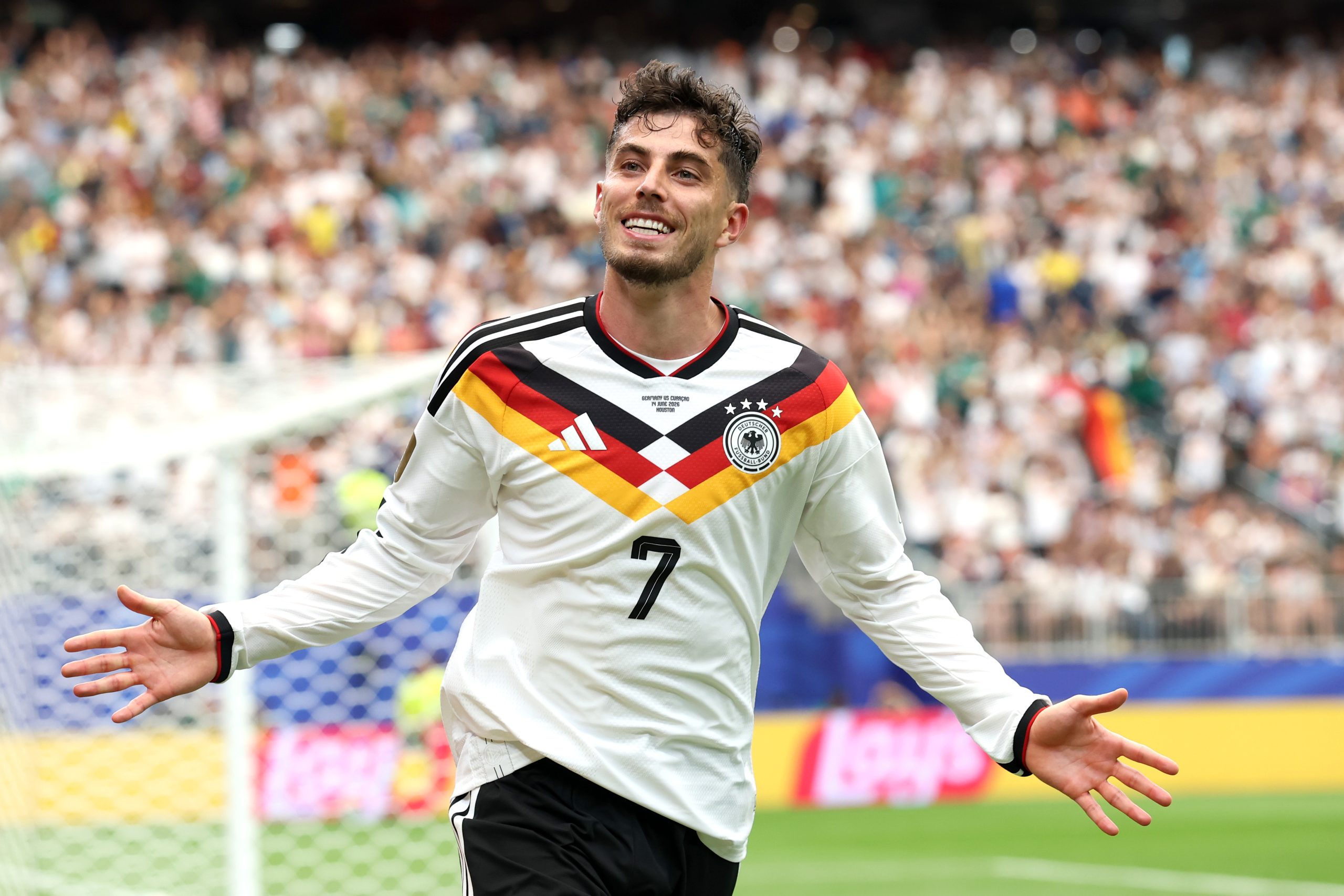
At the absolute center of this emotional roller coaster was Kai Havertz, a player whose tournament perfectly mirrored the agonizingly fine margins between heroism and heartbreak in modern sports. Havertz had entered the World Cup riding the high of an incredible domestic season with Arsenal, where his elegant playmaking, spatial intelligence, and clutch goalscoring had propelled the Gunners to a historic Premier League title, even if that triumph was slightly bittersweet following a devastating, narrow loss to Paris Saint-Germain in the Champions League final. On the international stage, the towering forward initially looked like he would carry that momentum on his shoulders, netting three goals throughout the tournament, including a dazzling brace during the opening night demolition of Curaçao. When Germany found themselves staring down the barrel of defeat against Paraguay, it was Havertz who rose to the occasion, displaying immense mental fortitude to strike a dramatic equalizing goal that kept his country’s hopes alive. Yet, football often reserves its most painful twists for its brightest stars, and during the high-stakes penalty shootout, Havertz’s moment of destiny arrived. Stepping up to the spot with the hopes of millions resting on his shoulders, his well-struck penalty was miraculously saved by Paraguay’s diving goalkeeper, Oscar Gill. The image of Havertz standing with his hands over his face, staring blankly at the turf, captured the raw, human vulnerability of a world-class athlete carrying the weight of an entire country. As he returns to North London to defend Arsenal’s domestic crown, the sting of that missed penalty will undoubtedly serve as powerful fuel, reminding us that even the most gifted players must constantly navigate the fragile boundary between triumph and despair. This psychological scar will require time to heal, but Havertz has proven throughout his career that he possesses a quiet resilience, a quality that will be tested to its absolute limits as he tries to put this international trauma behind him and focus on the grueling demands of English club football.
While Havertz grappled with the dramatic highs and lows of the pitch, his young teammate Florian Wirtz arrived in the tournament carrying a different kind of burden—the suffocating weight of immense expectation and a deeply challenging club season. Wirtz’s highly anticipated transfer to Liverpool had not gone according to script, as the phenomenally gifted attacking midfielder struggled to find his footing in the brutal physicality of the Premier League, managing just five goals amid endless tactical debates regarding his best position on the pitch. This domestic identity crisis seemed to follow him across the Atlantic, where he played with an obvious hunger but lacked the clinical edge that had previously made him one of Europe’s most feared prospects. Although Wirtz demonstrated his undeniable vision by registering three crucial assists during the tournament, he was visibly frustrated by his inability to find the back of the net himself, looking like a player desperately searching for his lost spark. The human element of Wirtz’s journey lies in this struggle; at such a young age, the pressure to perform on the world’s biggest stage while simultaneously adjusting to a new life in England can be mentally exhausting. Now, as the dust settles on Germany’s exit, Wirtz faces a critical turning point as he heads back to Merseyside under the guidance of Liverpool’s new manager, Andoni Iraola. This fresh start under a tactically astute manager offers Wirtz a golden opportunity to rebuild his confidence, refine his role, and prove to the world that his current struggles are merely a brief detour on his road to footballing greatness. In Iraola’s high-pressing, dynamic system, Wirtz might finally find the tactical clarity he has been craving, allowing him to play with the freedom and joy that characterized his early career, ultimately benefiting both his club and the German national team.
In stark contrast to the high-profile struggles of his younger teammates, Deniz Undav emerged as the heartwarming feel-good story of the German campaign, proving that career trajectories are rarely linear. At 30 years old, Undav is a well-traveled veteran who has had to fight for every single scrap of recognition throughout his career, making his brilliant performance at the World Cup all the more inspiring. Despite being utilized primarily as a super-sub by the coaching staff—a role that can often breed resentment in lesser players—Undav approached every minute on the pitch with an infectious, blue-collar work ethic and unyielding joy. He finished the tournament as Germany’s most impactful performer, incredibly racking up three goals and two assists in limited playing time, including a masterful brace against the Ivory Coast that showcased his lethal finishing ability and intelligent movement. Undav’s success is a beautiful reminder of the human spirit in sport; he represents the triumph of persistence over pedigree, a player who refused to let his late-blooming status prevent him from shining under the brightest lights. As he returns to the familiar, passionate embrace of Stuttgart in the Bundesliga, where he has long been cherished as a consistent and reliable goalscorer, Undav does so with his head held high. He has earned the respect of a nation, proving that sometimes the most valuable players are not the ones with the most expensive price tags, but those who play with an undeniable heart and an unwavering commitment to the collective cause. His journey resonates deeply with everyday fans who see in him a reflection of their own struggles, proving that with patience and dedication, dreams can be achieved at any stage of life. Stuttgart will welcome him back as a conquering hero, a local icon who showed the world that German grit is alive and well.
If Undav represented the rising sentiment of the present, the legendary Manuel Neuer stood as a towering monument to Germany’s glorious past, embarking on what would be his final, emotional chapter on the international stage. At 40 years and 79 days old, the iconic goalkeeper shattered the longevity record previously held by the legendary Lothar Matthäus, becoming the oldest player to ever represent Germany at a major tournament. Neuer was the last remaining bridge to the golden generation of 2014, a solitary figure who knew exactly what it felt like to hoist the coveted golden trophy in Rio de Janeiro. Throughout his illustrious career, which includes a staggering thirteen Bundesliga titles and two Champions League trophies with Bayern Munich, Neuer fundamentally redefined the goalkeeper position with his revolutionary “sweeper-keeper” style. While his final World Cup did not end with the fairy-tale trophy lift he so richly deserved, his presence on the pitch remained awe-inspiring, a masterclass in leadership, composure, and sheer presence. Following the frustrating exit to Paraguay, Neuer officially announced his second, and final, retirement from international duty, having briefly reconsidered his initial retirement after the 2024 European Championship. Watching this titan of the game walk off the international pitch for the last time was a profoundly emotional moment for football fans worldwide, signaling the definitive end of an era and leaving behind a legacy of excellence that may never be matched in our lifetime. Yet, his story is far from over, as he continues to guard the net for Bayern Munich, cementing his status as a living legend who refuses to let age dictate his capabilities.
As the German national team begins the painful process of post-mortem analysis and rebuilding, the stories of Havertz, Wirtz, Undav, and Neuer paint a deeply human picture of the beautiful game. Football is so much more than tactical formations, transfer rumors, or statistics on a television screen; it is a tapestry woven from the very human experiences of aging legends passing the torch, young prodigies fighting through mental blocks, journeymen seizing their moment in the sun, and superstars learning to live with the agonizing weight of a missed penalty. The early exit in 2026 will undoubtedly leave a scar on the collective psyche of German football, but it also provides a fertile ground for growth and reinvention. The road ahead will require patience, a willingness to embrace change, and a commitment to nurturing both the tactical and emotional well-being of these athletes who give so much of themselves to the badge. As the players return to their respective clubs across Europe—some chasing league titles, others fighting to regain their form, and one continuing to defy father time in Munich—they carry with them the lessons of this tournament. For Germany, the drought continues, but the enduring spirit of these players suggests that when they eventually rise again, the journey will have been worth every ounce of heartbreak along the way. Ultimately, this tournament reminds us that success is not guaranteed by history or reputation, but is earned through a delicate balance of form, fortune, and psychological fortitude, a truth that makes the pursuit of glory all the more compelling for players and fans alike. In the end, as these athletes transition back to their daily club grinds, they do so not just as players who fell short, but as human beings who dared to dream on the world’s grandest stage, carrying the hopes of a nation that will never stop believing in them.