





Every NFL season has a moment when the noise gets loud enough to drown out the scoreboard — when stories become storylines, and a handful of teams start to feel like they’re playing for something bigger than just a Sunday win. Right now, that moment is here. The Dallas Cowboys just reminded everyone they refuse to fade away. The Chicago Bears are finding ways to win even when their franchise quarterback isn’t on the field. The Jacksonville Jaguars are quietly becoming the most surprising contender in the AFC. And the San Francisco 49ers and Seattle Seahawks are picking up their rivalry right where they left it last year, with all the fireworks and frustration that come with two brilliant football minds trying to outthink each other. But here’s the thing: none of these stories show up fully in the box score. You have to dig deeper. You have to watch the film, not just the highlights. When you do, you start to see why the Cowboys looked reborn, why the Bears’ ground game is so dangerous, why the Jaguars keep stealing games, and why the 49ers–Seahawks matchup on Sunday is going to be an absolute chess match. This is football at its most fascinating — not just athletes running fast and hitting hard, but coaches drawing up plans, players adjusting on the fly, and every snap carrying a little bit of hidden meaning.
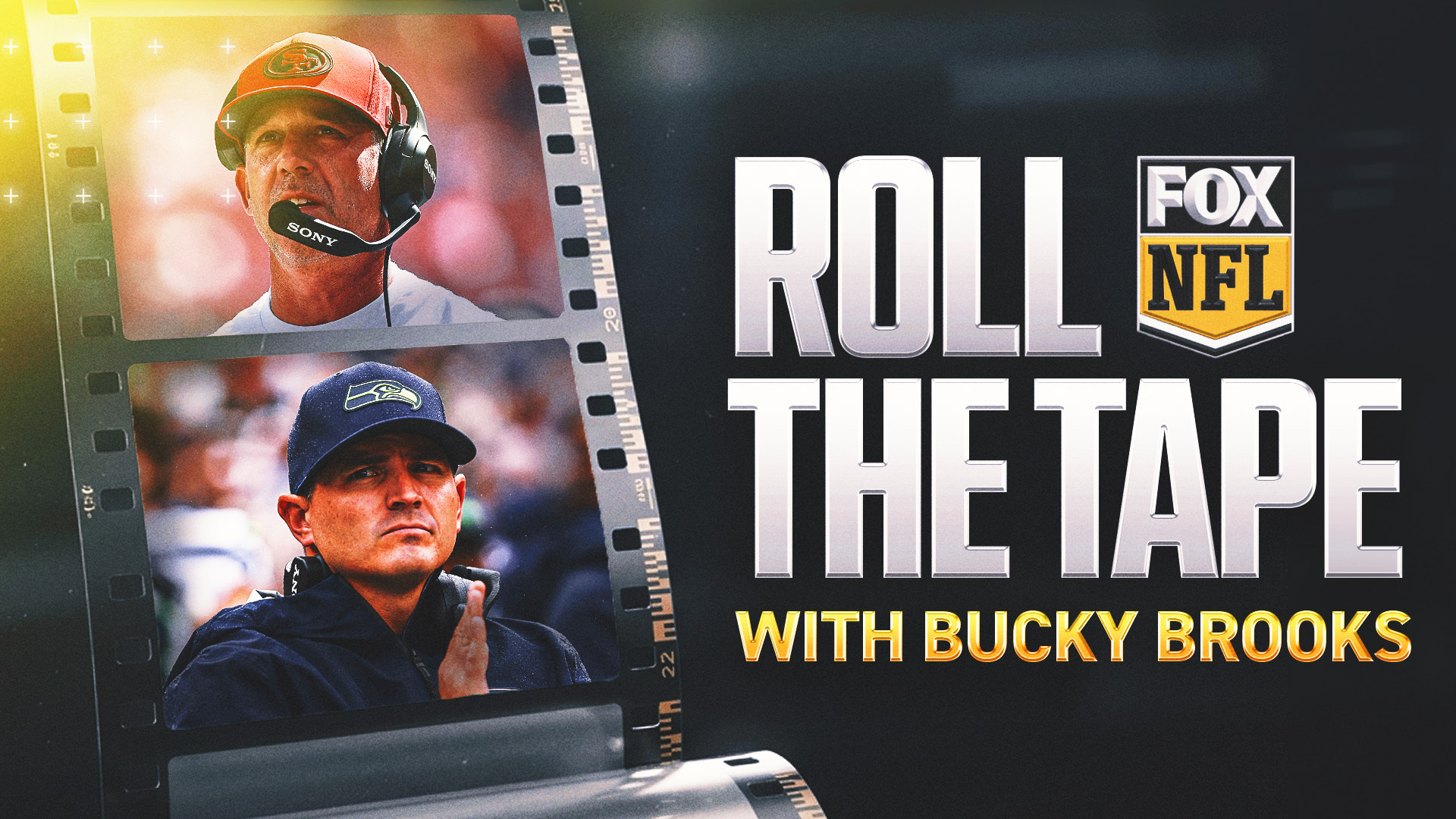
The 49ers and Seahawks have developed one of the most intriguing coaching rivalries in the NFL, and it’s not because they yell at each other or trade insults. It’s because Kyle Shanahan and Mike Macdonald are both obsessed with the details. Shanahan, at 46, has spent years perfecting a zone-running scheme that his father, Mike Shanahan, helped pioneer. But the younger Shanahan has made it his own, adding endless shifts, motions, and tight formations that force defenders to move at the snap, leaving them guessing and often out of position. The 49ers will line up in ways that make you think one thing, then run another. They create explosive plays not just because their players are talented, but because their scheme makes defenders hesitate for a split second — and that’s all Brock Purdy and Christian McCaffrey need. On the other side, Macdonald, 39, has built a Seattle defense that seems to have Shanahan’s number. He uses two high safeties, light boxes, and a bunch of interchangeable defensive backs who can play man or zone without giving away their intentions. The Seahawks will show you one look, then rotate into another. They’ll shadow motion receivers, drop into coverage, or suddenly press at the line. It’s designed to confuse the 49ers’ offense and take away the easy answers. Up front, Leonard Williams, Byron Murphy II, and Jarran Reed are the anchors, controlling the line of scrimmage so the defensive backs can roam free. It’s a classic battle of offense vs. defense, creativity vs. discipline, and it’s exactly the kind of game that makes football so much fun to watch — two brilliant minds trying to outsmart each other for sixty minutes.
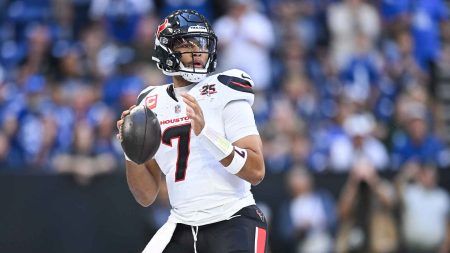
Meanwhile, in Dallas, CeeDee Lamb is making a serious case that he isn’t just one of the best receivers in football — he might be the best, period. Through four games, he leads the league in catches and receiving yards, and he’s strung together three straight 100-yard performances. That’s impressive enough on its own, but it becomes even more remarkable when you consider that he’s sharing the field with George Pickens, another dynamic pass-catcher who demands attention. The Cowboys have found a way to get Lamb the ball without forcing it. They move him around the formation, put him in motion, and find ways to get him free releases off the line of scrimmage. That might sound simple, but it’s not. Lamb’s route-running is a thing of beauty — sharp breaks, sudden stops, and a rare ability to make defenders miss after the catch. He’s already forced more missed tackles than almost anyone at his position, and he’s doing it while drawing double coverage. There was a moment in the Cowboys’ win over the Texans that showed exactly who Lamb is now. It was a go-ahead touchdown late in the game, and he ran a route that made the defender look completely lost. Then he made the catch, kept his balance, and finished the play. It wasn’t just a great highlight; it was a statement. Lamb wants to be the guy. He wants the ball in big moments, and he’s proving that he can handle it. With Pickens taking some of the pressure off, Lamb is thriving in a way that feels different from previous seasons. He’s not just putting up numbers. He’s controlling games. And if he keeps this up, the conversation about the NFL’s best receiver is going to have a new name at the top of the list.
Up in Chicago, the story is a little different, but just as fascinating. The Bears are supposed to be all about Caleb Williams, the former No. 1 pick, the face of the franchise, the quarterback who’s supposed to change everything. But right now, the real identity of this team is the running game. Head coach Ben Johnson came to Chicago with a reputation as an offensive genius, and he’s proven it by building a ground-and-pound attack that can dominate even when Williams is sidelined. Johnson uses a ton of multiple tight-end sets — two, sometimes three tight ends on the field at once — and that creates mismatches and confusion for defenses. Cole Kmet, Colston Loveland, and Sam Roush are all capable of blocking or catching passes, so defensive coordinators never know what’s coming. But here’s the twist: the Bears aren’t just running the ball from heavy formations. They’re actually doing their best work from spread looks, with one tight end or less, and letting running backs D’Andre Swift and Kyle Monangai find cutback lanes. It’s a shell game. The defense sees a run-heavy lineup and loads the box, but then the Bears spread it out and run wide-zone plays that create huge openings. When Williams is out there, they mix in play-action and bootlegs. When he’s not, they lean even harder on the run game. The result is an offense that leads the NFL in rushing, eats up clock, and keeps opposing offenses off the field. It’s not always pretty, but it’s working. Johnson has turned the Bears into a physical, punishing team that can beat you in different ways. And the most impressive part? He’s doing it with the kind of creativity that makes old-school football fans smile and modern analytics nerds nod in approval.
Then there are the Jacksonville Jaguars, the team nobody saw coming. They’re winning games, which is surprising enough, but it’s how they’re winning that really turns heads. The Jaguars have become a turnover-obsessed defense that specializes in stopping the run and taking the ball away. Since the start of last season, they’ve forced 39 turnovers, tied for the most in the league. That’s not an accident. It’s the result of a disciplined, aggressive system that makes quarterbacks uncomfortable and running backs work for every inch. The defensive line — DaVon Hamilton, Josh Hines-Allen, Travon Walker — controls the line of scrimmage and refuses to give up big runs. Linebackers Foye Oluokun and Ventrell Miller fill the holes and tackle everything that moves. And the secondary plays a vision-based zone that lets defenders watch the quarterback, break on the ball, and turn mistakes into points. In fact, Jacksonville has scored more points off turnovers than anyone in the league in recent seasons. This year, they’ve already picked off six passes, including three in the red zone, and they’re allowing just over 13 points per game — one of the best marks in the NFL. It’s not a flashy defense, and it won’t always create highlight-reel sacks or wild one-handed interceptions. But it’s relentless. It’s smart. And it’s exactly the kind of defense that can carry a team deep into the playoffs. The Jaguars may not be the most talked-about team in the AFC, but they’re quietly building something real. They’re winning the turnover battle, protecting their own end zone, and finding ways to win games that they used to lose. That’s not luck. That’s culture.
So as the season moves forward, keep an eye on these four storylines. The 49ers and Seahawks will meet in a game that could shape the NFC West — and it’s going to be a test of coaching genius, player execution, and pure will. CeeDee Lamb is chasing more than stats; he’s chasing the title of best receiver in football. The Bears are redefining what it means to be a modern offense, proving that old-school running can still win in a passing league. And the Jaguars are showing that defense wins championships, or at least gets you pretty close. What makes all of this so compelling is that it’s not scripted. Every week, these players and coaches adjust, adapt, and reveal something new about who they are. The NFL is a rollercoaster, and these four teams are at the center of it. If you love football — not just for the highlights, but for the chess match within the game — then this is the season to pay attention. Because these aren’t just stories. They’re the kind of narratives that define a year, that turn ordinary Sundays into something memorable, and that remind us why we can’t look away. Whether it’s Shanahan and Macdonald matching wits, Lamb making defenders miss, Johnson’s rushing attack grinding opponents down, or the Jaguars’ defense taking the ball away, there’s no shortage of reasons to watch. The season is still young, but the storylines are already starting to take shape. And if the first few weeks are any indication, we’re in for a wild ride.