




On a crisp Tuesday morning in Delaware, the last primary of a long, exhausting, and history-making election cycle finally comes to an end. Poll workers are setting up folding tables and ballot machines in school gyms and community centers, volunteers are holding signs, and voters are slipping into booths, coffee in hand, ready to have their say. Delaware isn’t the biggest state, and its primary doesn’t get the national spotlight that Super Tuesday states enjoy, but this year it matters more than usual—because it’s the closing chapter of a season that has shaken both major political parties to their core. It all started back in March in Texas, North Carolina, and Arkansas, and after months of television ads, bitter debates, and shocking upsets, the road ends here, in the First State. On the Democratic side, Senator Chris Coons and Attorney General Kathy Jennings are each facing primary challengers from within their own party, while Representative Sarah McBride, the first openly transgender person to serve in Congress, is unopposed in her primary as she prepares for the general election. Republicans, meanwhile, are hoping that the same anti-establishment energy that has swept so many races across the country can help them break what has been a Democratic lock on Delaware’s statewide offices. But as Delaware voters cast their ballots, they’re not just deciding local races—they’re helping to close out a period that has redrawn the political map of both parties and left veteran politicians across the country nervously checking their campaign accounts. This is a season that proved the Democratic Party’s progressive wing can topple long-serving incumbents, and that Donald Trump’s endorsement remains the most powerful weapon in Republican politics, even when it occasionally fails. For voters waiting in line, the national drama might feel distant, but the choice they make is part of something much bigger.
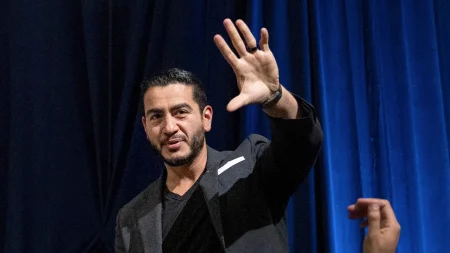
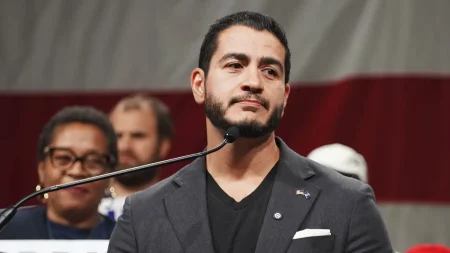
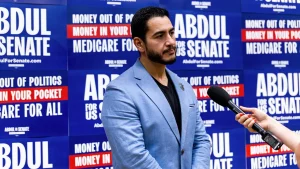
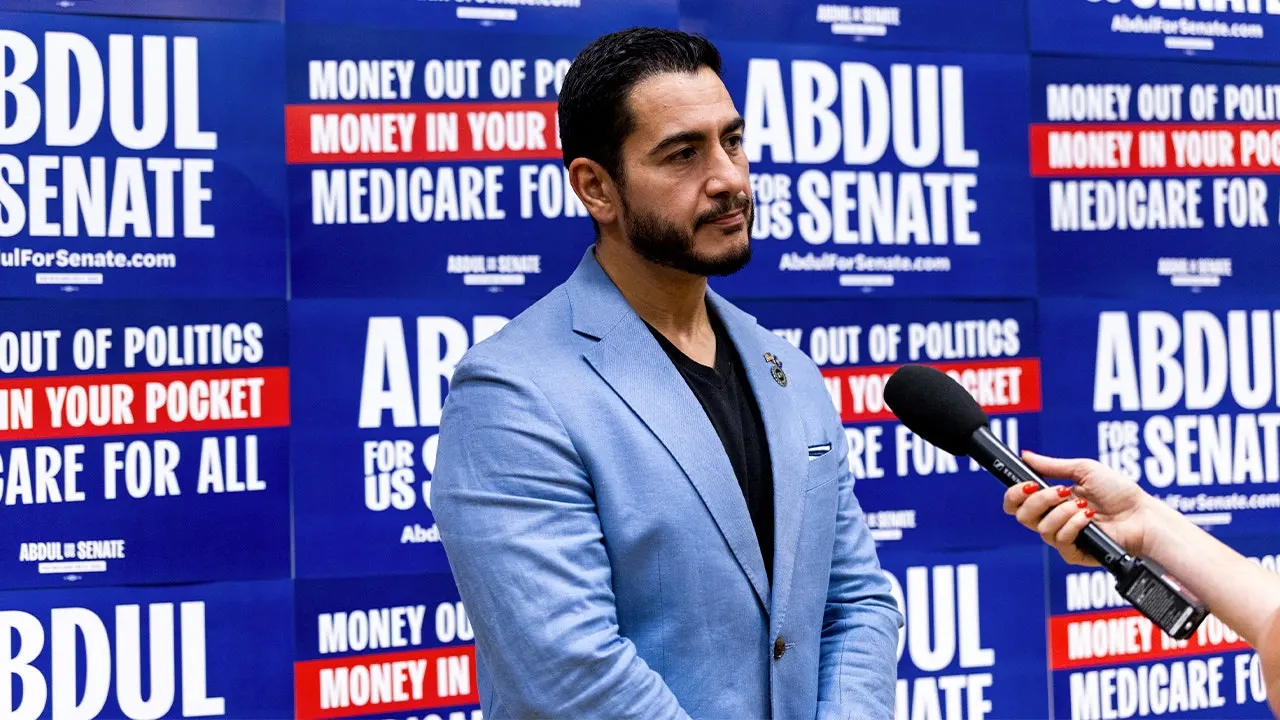
To understand why Delaware’s primary matters, you have to look at what happened elsewhere first. Just twelve months ago, a socialist New York City mayoral candidate named Zohran Mamdani shocked the political world by defeating the Democratic establishment and going on to win the general election in the nation’s largest and most diverse city. That victory was not a fluke, and it sent a signal to progressive organizers everywhere that the old rules no longer applied. By June, the left was on the march again, with candidates backed by the Democratic Socialists of America and other grassroots groups racking up wins that would have been unthinkable a decade earlier. In Colorado, DSA member Melat Kiros topped Diana DeGette, a fifteen-term Democratic incumbent who had been in Washington for nearly three decades. In New York, Darializa Avila Chevalier ousted five-term Representative Adriano Espaillat in a primary that made national headlines and sent chills down the spines of establishment Democrats everywhere. Then came August, and the wave grew even bigger. Abdul El-Sayed won the Democratic Senate primary in Michigan, Lieutenant Governor Peggy Flanagan triumphed in Minnesota, and state Representative Angie Nixon captured the nomination in Florida. These were not just protest votes; they were organized, well-funded campaigns that tapped into a deep well of frustration among Democratic voters who felt that the party’s centrist leaders had grown too comfortable, too cautious, and too disconnected from the struggles of ordinary people. Every one of those victories was a reminder that the Democratic Party is now a battlefield, not a monolith, and that the grassroots left has learned how to turn outrage into actual votes. For the voters who made those wins possible, the motivation was deeply personal: they wanted candidates who talked about their rent, their health care bills, their children’s schools, and the wars that keep dragging on, rather than the careful, poll-tested language of the party establishment.
Many of the winners who rose to prominence this season ran on platforms that would have been political suicide for a mainstream Democrat just a few years ago. They talked openly about abolishing the Immigration and Customs Enforcement agency, cutting off military aid to Israel, and replacing the current for-profit health insurance system with a single-payer “Medicare for All” program. These are not fringe ideas to the people waving signs at rallies; they are lifelines. A single mother in Detroit who has been denied coverage for a necessary surgery does not want to hear about incremental reforms—she wants a system that treats health care as a right, not a privilege. A young college graduate drowning in student debt does not want to hear about the importance of bipartisanship—she wants an economy where a lifetime of work can actually buy a home and a future. The left’s victories were not universal, of course. There were setbacks, including the defeat of Francesca Hong in the Wisconsin Democratic gubernatorial primary, a race that many progressives had hoped would prove their movement could win in a key battleground state. But even in defeat, the message was clear: the left has expanded its clout enormously, and it is now a permanent force in the Democratic Party’s internal debates. Joe Caiazzo, a veteran Democratic strategist who worked on Bernie Sanders’ 2016 and 2020 presidential campaigns, put it this way: “It is undeniable that progressives have built a coalition and have a message that can serve to buoy a candidate when they are an acceptable alternative to the status quo.” But he also added a warning: “What’s incumbent upon progressives if they want to continue to be successful is to put forward candidates who are serious, credible, and are accessible to the public.” In other words, the revolution needs not just passion, but also competence.
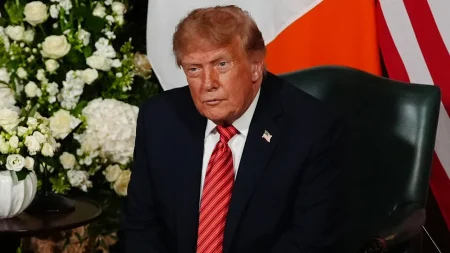
On the Republican side, the story of this primary season has been dominated by one man: Donald Trump. Late last month, the president took to social media with his trademark confidence, writing, “My Endorsements are stronger than ever….There has never been anything close!” For the most part, the numbers back him up. According to the Fox News Trump Primary Endorsement Tracker, the president batted a thousand in Senate Republican primaries this cycle, and he came close to a perfect record in House races too. That is not just a statistic; it is a reflection of how completely Trump has transformed the Republican Party over the past decade. The old coalition of fiscal conservatives, country-club moderates, and national security hawks has been replaced by a populist, America First movement that is fiercely loyal to Trump and dismissive of the traditional GOP establishment. His endorsement can flood a campaign with donations, volunteers, and the kind of media attention that money cannot buy. But even the kingmaker cannot save every royal family. This year, five of Trump’s chosen gubernatorial candidates went down to defeat in Republican primaries. The list includes Georgia Lieutenant Governor Burt Jones, South Carolina Lieutenant Governor Pamela Evette, Iowa Congressman Randy Feenstra, Wyoming Superintendent of Public Instruction Megan Degenfelder, and “My Pillow” founder Mike Lindell of Minnesota. For a man who claims to never lose, these were noticeable cracks in the armor. Veteran Republican strategist Ryan Williams explained the dynamic: “The Republican Party is Trump’s party, and there’s no question that an endorsement from the president provides a tremendous boost in a Republican primary. But it doesn’t necessarily mean the candidate’s going to win.” He added that Trump “still has a firm grip on the party, even in places where a candidate he backed loses a nomination,” but noted that “if there are underlying issues with a candidacy, those can pose problems that even an endorsement can’t overcome.” In other words, Trumpism is now the default setting of the GOP, but individual candidates still have to show they can win over voters in their own backyards.
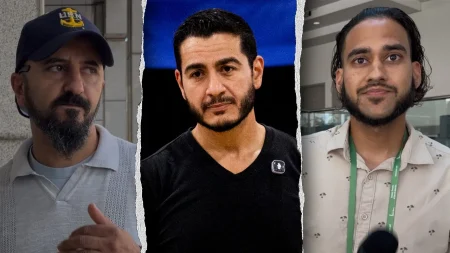
Back in Delaware, the final chapter of this turbulent season is being written in smaller, more intimate races. Senator Chris Coons, who has served in Washington since 2010 and is running for a third full term, is facing a trio of longshot primary challengers: Jeff Appelhans, a history professor at the University of Delaware who has been making the case that Coons is too moderate and too connected to the old guard; Mary Louve, a naval architect whose campaign has focused on fresh ideas and outsider perspective; and Eric Hansen, a former business executive who is a Republican turned Democrat, trying to sell voters on the idea that he can bridge divides. On the Republican side, the Senate primary features former state Senator Michael Katz and U.S. Army Reserves Colonel John Shulli, both of whom are hoping to convince their party that they are the strongest candidate to take on Coons in November. In the House, Representative Sarah McBride is unopposed in the Democratic primary as she seeks a second term representing Delaware’s statewide congressional district, while Republicans Joseph Arminio, Earl Cooper, and John Whalen are competing for the chance to face her. The contest for attorney general is also drawing attention: incumbent Kathy Jennings is being challenged by Dwayne Bensing, a lawyer who has argued that Jennings has not been tough enough on corporate polluters and police misconduct, and Patty Rickman, a domestic violence victims advocate who brings a survivor’s perspective to the campaign. David Graham is running unopposed on the Republican side. For Delaware voters, these races may not have the national drama of a Colorado congresswoman losing her seat or a Minnesota lieutenant governor winning a Senate primary, but they are just as real. These are the races where people live, where their neighbors are on the ballot, and where the choices they make will shape their state for years to come.
As the polls close in Delaware and the final results roll in, it is worth pausing to reflect on what this primary season has really meant. This was a season in which the Democratic establishment’s control over its own voters was shattered, when progressives and socialists proved they could not only win primaries but also capture some of the most powerful offices in the country. It was also a season in which Donald Trump demonstrated that his grip on the Republican Party remains strong, even as some of his hand-picked candidates stumbled. But beyond the headlines and the statistics, this was a season about people. It was about voters who are tired of being taken for granted, who are angry about the cost of living, who are frightened by the wars and the instability around the world, and who are determined to make their voices heard. It was about candidates who stood in front of crowded rooms and promised to do things differently, and about the thousands of volunteers who knocked on doors, made phone calls, and argued with their relatives over dinner. Democracy is rarely neat, and this cycle has been messier than most. But in the quiet moments after the votes are counted, what remains is the simple, stubborn belief that ordinary people can shape their own future. Whether in Delaware or anywhere else, that belief is what keeps the whole system going. So as the last primary of 2026 ends and the general election campaign begins, one thing is certain: the political revolution is not over. It is just getting ready for the next round.