





The Latest Storm in Congress
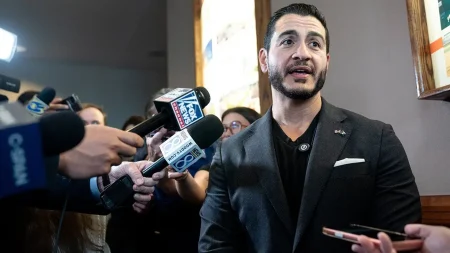
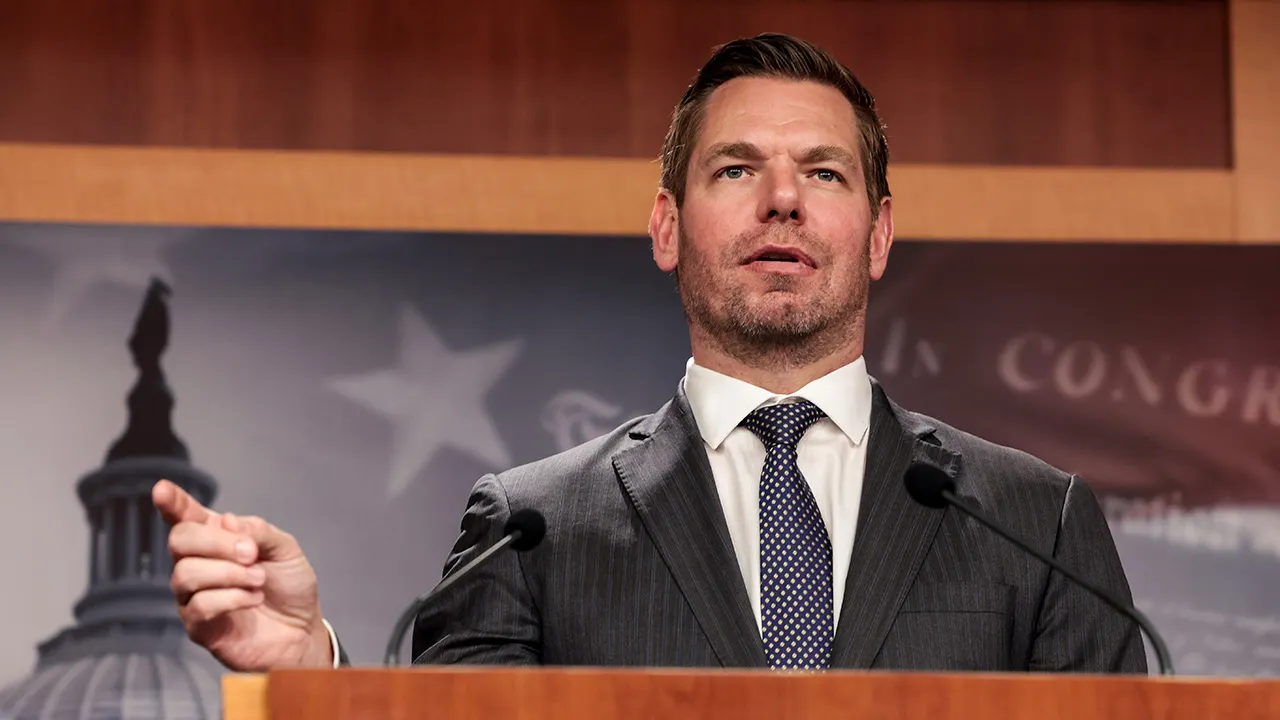
In the ever-evolving saga of political scandals, the news shattered like glass on a Tuesday morning when yet another woman accused Congressman Eric Swalwell of sexual assault. Just hours before he was slated to step down from his position in the House of Representatives, this fresh allegation emerged, piling onto the mounting heap of accusations that have already shaken the California Democrat’s career. Picture it: the high-stakes world of American politics, where power and personal conduct collide, and lives are dissected under the unrelenting glare of the media. The accuser, whose identity has been kept confidential for now, joined forces with four others who have alleged serious misconduct, ranging from inappropriate acts to outright rape. Their stories, shared at a carefully orchestrated news conference in the glamorous hills of Beverly Hills, paint a picture of vulnerability betrayed—women who claim their trust was misplaced in a man they once respected. As journalists and the public digested this bombshell, it was hard not to feel the weight of how these allegations could ripple through families, communities, and the institutions meant to protect us. The striking inclusivity of modern news dissemination was highlighted as Fox News announced a new feature allowing listeners to access articles audibly, making information more accessible amid the chaos. But beyond the tech advancements, the human element shone through: these women, backed by attorney Lisa Bloom, stepped forward not just for justice, but to reclaim their narratives in a system that often silences the unheard.
Delving deeper into this developing drama, the new accuser’s story adds a layer of urgency to the broader narrative. Unlike some of the previous claims that involved staffers and political associates, her account shifts the focus to a more personal encounter, emphasizing the potential breach of power dynamics that Congressman Swalwell wielded. Imagine the courage it takes to come forward publicly, knowing the inevitable scrutiny and potential backlash—questions about motives, credibility, and hidden agendas. Attendees at the Beverly Hills press event described an atmosphere thick with tension, mixed with a palpable sense of solidarity. Bloom, a seasoned advocate for women’s rights, stood beside them, her voice steady as she recounted how these women had been grappling with trauma for years. Some allege incidents dating back to his time on the local school board, revealing a pattern that, if proven, could shatter the image of the dedicated public servant. It’s difficult to read these accounts without empathy; the accusers spoke of emotional scars, disrupted lives, and a fight against denial that many victims face. In humanizing these stories, we see not faceless figures but real people—mothers, professionals, and ordinary folks—whose truths demand reckoning. This isn’t just about politics; it’s about trust, consent, and the human capacity for harm under the guise of leadership. As the news unfolded, it underscored how personal grievances can topple empires, reminding us that behind the headlines are lives forever altered.
Reflecting on the history of these allegations, the four women who previously accused Swalwell have shared harrowing details that highlight a pattern of alleged misconduct. Reports from CNN and the San Francisco Chronicle outline instances where power disparities played a cruel role, with one former staffer claiming an assault that blurred the lines between professional duty and personal betrayal. These stories evoke a sense of déjà vu for those familiar with high-profile cases, where accusers often relive their pain to expose predators. The accusers, a diverse group in age and background, described feeling silenced for too long, their voices muffled by the corridors of power. One spoke of a workplace where laughter masked unease, only to be followed by unwelcome advances. Another recounted a late-night meeting that spiraled into something monstrously inappropriate. Empathy floods in when considering the mental toll: sleepless nights, strained relationships, and the constant fear of not being believed. These women, in their press conference, humanized the statistics of workplace harassment, reminding audiences that behind each #MeToo moment lies a personal story of resilience. Swalwell’s camp has countered by painting these as veiled political attacks, but the details feel too raw, too specific to dismiss lightly. It’s a reminder that in the pursuit of public service, some have used their influence to exploit, leaving scars that time can’t fully heal. As the allegations mount, the public is left grappling with how to balance presumption of innocence with the gravity of repeated claims, turning this into a national conversation about accountability.
Amid the whirlwind of accusations, Congressman Swalwell has steadfastly maintained his innocence, denying any criminal conduct and pledging to vigorously defend against what he calls “fabricated” claims. In statements that echo a fighter’s resolve, he’s emphasized his commitment to public service and family, while hinting at ulterior motives behind the timing. Picture the personal toll this must take—a man in his 40s, once seen as a rising star with aspirations for higher office, now embroiled in a crisis that threatens to define his legacy. His response, delivered through aides and social media, stresses evidence-based rebuttals, but it can’t mask the human vulnerability. Friends and colleagues describe him as principled, devoted to causes like veterans’ rights, yet now dealing with the isolation that scandals bring. The denial creates a stark contrast to the accusers’ detailed testimonies, leaving bystanders to ponder the truth in the gray areas. Some supporters rally, pointing to potential biases in the media, while detractors see a pattern of deflection. It’s a deeply human struggle: the accused fighting to preserve dignity, while skeptics question motives. Regardless of the outcome, this episode exposes the fragility of reputation in politics, where one misstep—or alleged one—can cascade into personal ruin. Swalwell’s promise to “fight” these accusations suggests a battle ahead, one that will test not just his legal team but his emotional fortitude, reflecting the broader theme of how allegations can erode a person’s identity overnight.
The political repercussions reverberated quickly, with House Minority Leader Hakeem Jeffries bluntly affirming his support for Swalwell’s anticipated resignation. Speaking to reporters, Jeffries didn’t mince words, expressing agreement with the decision, a stance that signals a critical moment for Democratic unity. This isn’t just procedural; it humanizes the partisan divide, showing how leaders navigate loyalty and principle. Jeffries, a figure of calm amid the noise, offered a pragmatic take, recognizing that even without convictions, public trust in Congress hangs by a thread. His comments drew parallels to other scandals, like the Texas Republican Tony Gonzales, whose own admissions led to resignation—reminding us of the ripple effects that affect not just individuals but entire parties. Imagine the internal discussions: urgent calls, strategic meetings, and the emotional calculus of cutting ties to preserve the broader agenda. Democrats, already on the defensive with upcoming midterm elections, face a dilemma—protect the institution or uphold personal accountability? Jeffries’ endorsement underscores a shift towards transparency, but it also highlights the human cost: careers ended, dreams deferred. For Swalwell, once a vocal advocate, this means exiting the stage under clouds of suspicion, his years of service overshadowed. It’s a sobering insight into how quickly allies can become witnesses to downfall, turning allies into cautious observers in the unforgiving arena of politics.
As this story evolves, it serves as a poignant reminder of the fragility of public life and the courageous voices pushing for change. The women at the center of the allegations, through their Beverly Hills press conference and attorney Bloom’s guidance, have ignited a movement for victims seeking closure. Yet, beyond the courtroom battles, this tale highlights themes of resilience and redemption—accusers rebuilding lives, the accused defending honor, and society weighing evidence against emotion. With Swalwell set to resign, the narrative shifts to future elections and legal investigations, but the human stories linger. Families affected, communities divided, and leaders recalibrating—these elements paint a vivid picture of democracy’s messiness. In an era where news is just a click away, thanks to innovations like Fox News’ audio articles, information spreads faster, fostering empathy and debate. Ultimately, this incident urges reflection: how we hold those in power accountable, listen to the marginalized, and navigate the line between accusation and proof. It’s a developing chapter in American politics, one where human courage and vulnerability intersect with ambition and authority, prompting us all to question and heal. For the latest updates, stay tuned as the truth unfolds, accessible now through audio listens on the Fox News app.