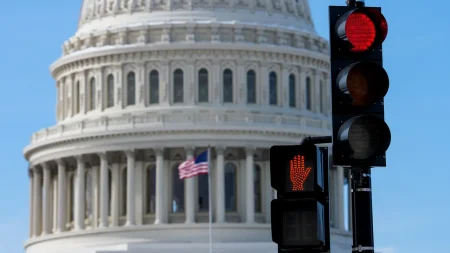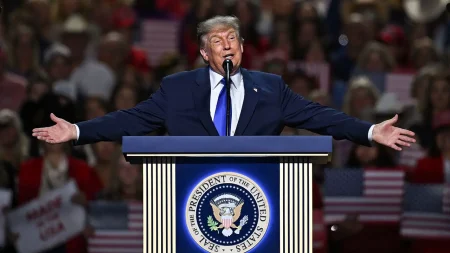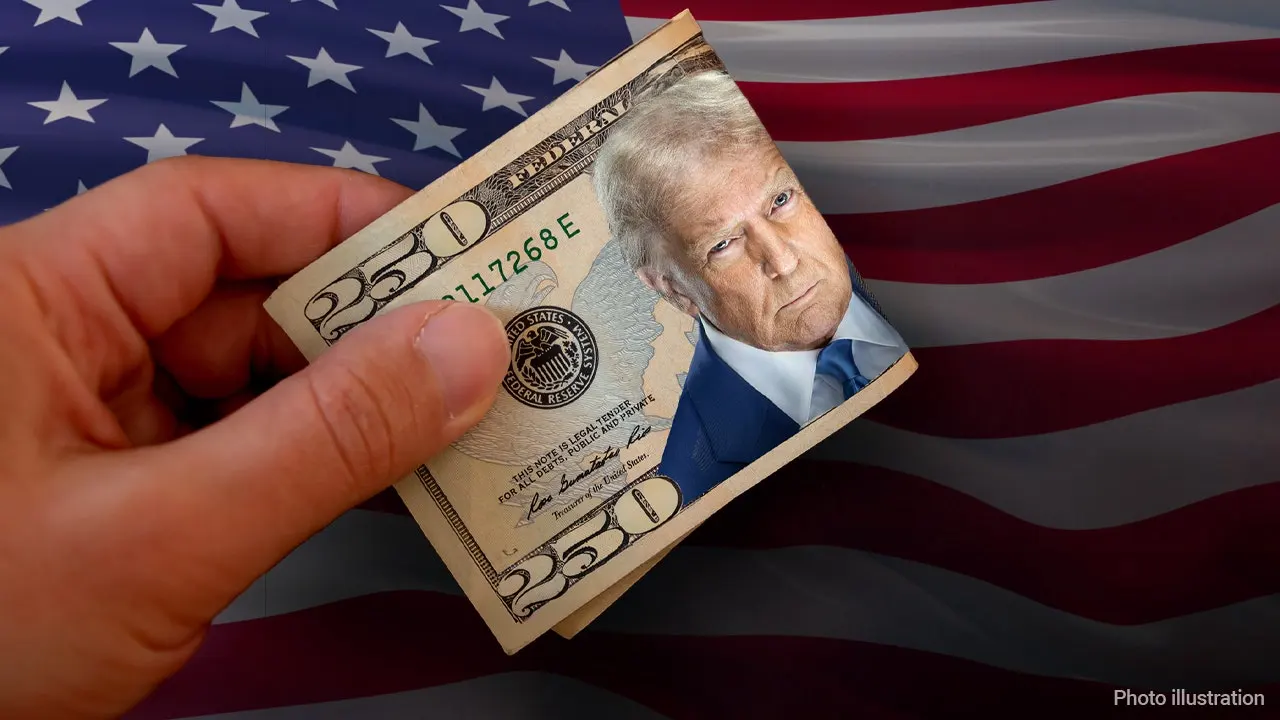
As the United States marches toward its historic 250th anniversary in July 2026, a highly unconventional and deeply polarizing tribute has quietly taken shape within the halls of the Treasury Department. Federal officials have revealed that the Bureau of Engraving and Printing is actively laying the groundwork for a commemorative $250 banknote featuring the portrait of President Donald Trump. While the concept of a new high-value bill to celebrate the nation’s semiquincentennial carries immense symbolic weight, the project faces a formidable and deeply rooted legal barrier. Under a federal statute that dates back to the Civil War era, no living person is permitted to be depicted on United States currency. For this unprecedented bill to transition from a theoretical draft to a tangible piece of legal tender, the legislative gears on Capitol Hill must first turn, requiring Congress to pass special legislation that carves out an exception to this long-standing mandate.
The spark igniting this monetary debate came in February 2025, when Representative Joe Wilson, a Republican from South Carolina and a staunch supporter of the president, formally introduced the bill. Far from a mere bureaucratic adjustment, Wilson’s proposal was designed with a dual narrative: to serve as a grand, patriotic celebration of America’s journey and to act as a direct, politically charged indictment of the previous administration’s economic record. To give the public a glimpse of what this historic currency might look like, Kentucky Representative Andy Barr shared a vibrant mock-up on social media, showcasing a design rich in red, white, and blue hues backing Trump’s portrait. However, despite the excitement among conservative lawmakers, the bill has remained stalled in the House Financial Services Committee, serving as a quiet battleground for a larger discussion about national identity and political legacy.
Steering this ambitious and legally complex initiative is Treasury Secretary Scott Bessent, who recently addressed the logistical realities of the project during a White House press briefing. Bessent made it clear that while his agency is highly proactive in preparing designs in advance, they remain strictly bound by the rule of law. Currently, the Federal Reserve only issues seven standard denominations, ranging from the humble single-dollar bill to the hundred-dollar note, all governed by two unchanging directives: the exclusion of living figures and the mandatory inclusion of the motto “In God We Trust.” By preparing the plates and proofs ahead of time, the Treasury is ensuring that if Congress decides to rewrite the rules, the government will be immediately ready to print. This proactive planning highlights a fascinating intersection of bureaucratic diligence and political foresight, where designers and policymakers work in tandem to anticipate the shifting winds of Washington.
Unsurprisingly, the prospect of placing Donald Trump’s face on federal currency quickly ignited a firestorm of controversy among Democratic leaders, who view the initiative not as an inclusive celebration of American history, but as an exercise in political vanity. Social media platforms erupted with sharp, coordinated pushback from prominent figures who argued that the country’s 250th anniversary should belong to the collective American journey rather than the legacy of a single leader. House Democratic Minority Leader Hakeem Jeffries led the charge with a blunt refusal, urging colleagues to “get over yourself” and asserting that the upcoming July 4th milestone is about celebrating the American journey, not elevating a “wannabe King.” This emotional resistance underscores a deep cultural divide over who gets to represent the face of the modern American republic.
Beyond the symbolic arguments, critics have cleverly weaponized the proposed $250 denomination to highlight ongoing concerns about inflation and the cost of living. Former Secretary of State Hillary Clinton took to social media with a dry, biting critique, suggesting that by the end of Trump’s term, the high-value bill might only buy a single gallon of gasoline and a carton of eggs. Sharing this sentiment, Virginia Senator Mark Warner lamented that while ordinary working-class families are being crushed by daily financial pressures, the president is brainstorming ego-driven design projects. The Democratic National Committee echoed this frustration, releasing a list of priorities that painted the administration as out of touch, contrasting the push for the $250 Trump bill and other symbolic gestures, like a hypothetical “Trump Peace Prize,” with vital bread-and-butter economic relief for American households.
Despite the intense legislative gridlock and public outcry surrounding the proposed bill, the Treasury Department has already solidified at least one guaranteed avenue to leave a permanent mark on the nation’s anniversary. Even if Congress declines to alter federal law to allow Trump’s portrait on the $250 note, future runs of standard U.S. paper currency will officially bear both President Trump’s and Secretary Bessent’s signatures to commemorate the 250th anniversary. This compromise ensures that regardless of how the battle over the portrait plays out, the administrative footprint of the era will be etched into the very fabric of American commerce. As the nation draws closer to its milestone birthday, the debate over currency serves as a vivid reminder of how deeply politics, history, and daily survival are intertwined in the minds of the American people.