





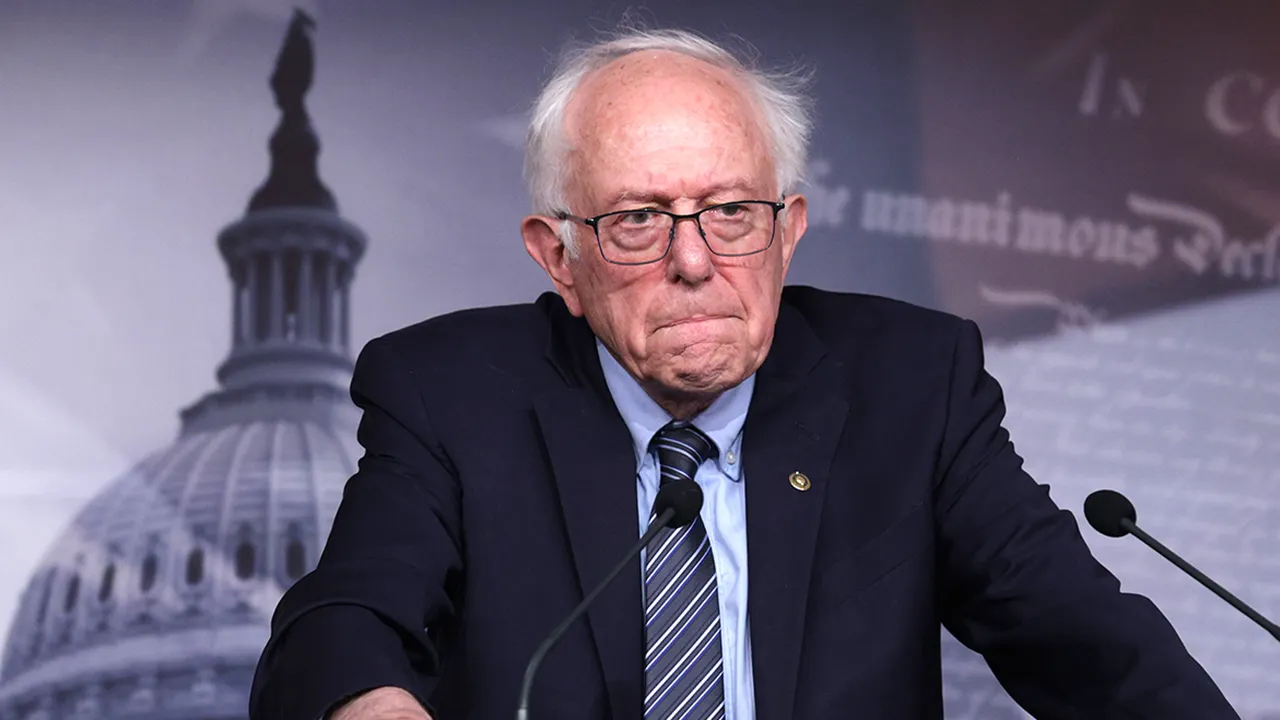
Senator Bernie Sanders has never been one to shy away from a fight against the political establishment, especially when it comes to the disproportionate influence of wealth in American democracy. In his latest crusade, the Vermont independent is calling on Democratic leadership to take a hard, self-reflective look at how their nominee selection process is run. Sanders is urgently rallying top Democrats to completely ban super PACs from participating in the party’s primary elections, arguing that allowing ultra-wealthy, outside special interests to dictate who gets on the ballot fundamentally undermines the democratic process and alienates working-class voters.
At the heart of Sanders’ current frustration is a trend he describes as not just unfair, but outright “insane.” He has pointedly aimed his criticism at the American Israel Public Affairs Committee (AIPAC) and other high-spending corporate interest groups. To Sanders, the ultimate irony—and danger—of the current system is that these massive financial machines are permitted to dump millions of dollars into Democratic primaries to defeat progressive candidates, only to turn around and bankroll Republican candidates in the general election. He argues that this loophole allows conservative-leaning donors to essentially filter out progressive voices before everyday voters even get a chance to make their final choices.
In a direct and urgent letter addressed to Senate Democratic Leader Chuck Schumer, House Democratic Leader Hakeem Jeffries, and DNC Chairman Ken Martin, Sanders laid out the stark reality of modern campaign finance. He highlighted how AIPAC and its affiliates poured more than $30 million into Michigan’s Democratic primary alone in an effort to defeat progressive candidates like Dr. Abdul El-Sayed, while simultaneously preparing to support Republican Mike Rogers in his general election bid. Sanders warned that this is not an isolated incident; corporate super PACs representing cryptocurrency, artificial intelligence, and online gambling interests have already spent a staggering, record-breaking $517 million this election cycle, completely eclipsing previous spending records.
On the other side of this ideological divide, organizations like AIPAC defend their involvement as a necessary exercise in bipartisan advocacy. According to the group, AIPAC operates as a grassroots membership organization funded by individual American citizens who are deeply committed to strengthening the bond between the United States and Israel. Through its affiliated super PAC, the United Democracy Project, the organization asserts that its financial involvement in elections is designed simply to support pro-Israel candidates of both major parties while working to defeat “detractors” of the U.S.-Israel relationship, regardless of whether those detractors are Democrats or Republicans.
For Sanders, however, the issue goes far beyond any single organization or foreign policy debate; it is a systemic crisis that demands structural reform. Alongside Representative Summer Lee of Pennsylvania, Sanders has championed the “Abolish Super PACs Act,” which seeks to place a strict $5,000 cap on individual contributions to these organizations, effectively neutralizing their immense financial leverage. Ultimately, Sanders envisions a future where the controversial Citizens United Supreme Court decision is overturned by a constitutional amendment, paving the way for publicly funded elections that return political power to ordinary citizens.
As the debate over the soul of the Democratic Party continues, Sanders is reminding party leaders that they do not have to wait for a constitutional amendment to protect their own primaries. He insists that the Democratic Party already possesses the internal authority to bar these wealthy outside groups from interfering in its nominating contests. While acknowledging that the “big tent” of the party naturally welcomes a wide variety of opinions, Sanders argues that allowing wealthy, Republican-aligned special interests to decide the winners of Democratic primaries is a recipe for self-destruction—one that leaders must address before the system becomes entirely unresolvable.