




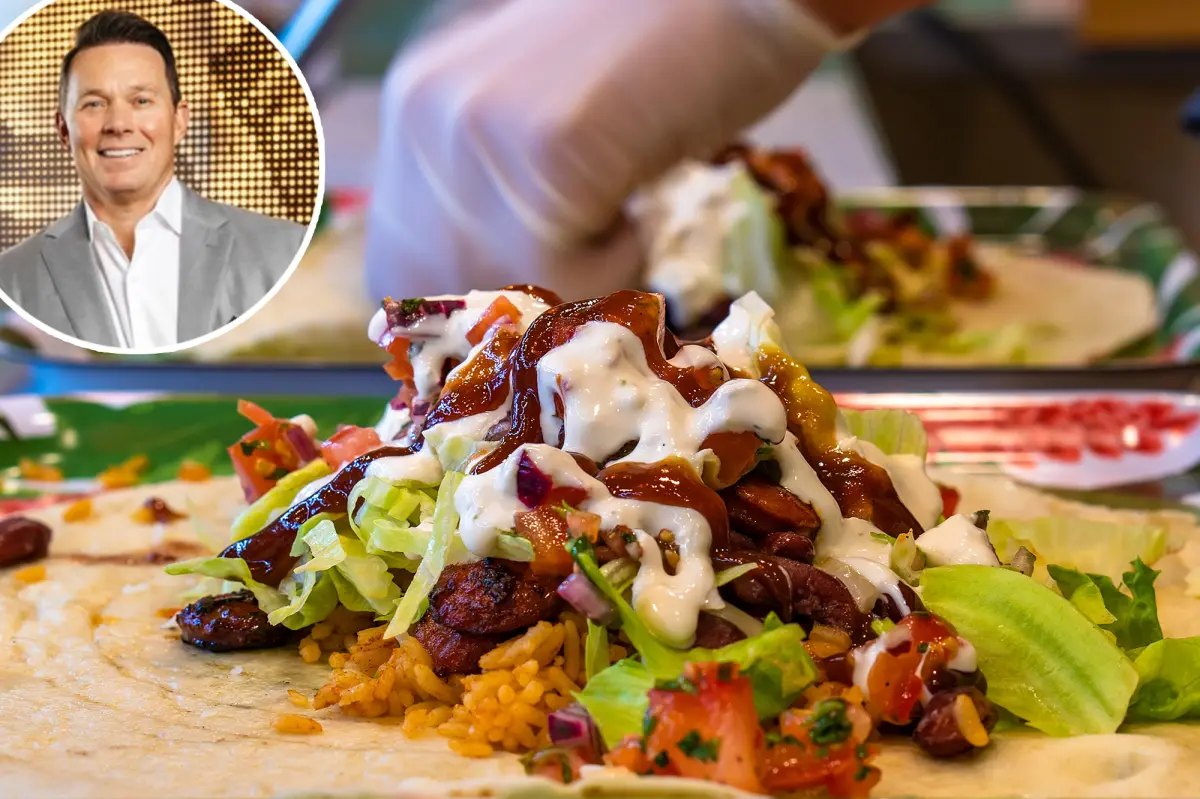
Chipotle’s story has always been about those massive, flavor-packed burritos and bowls that make you feel like you’re getting way more than your money’s worth. But lately, whispers turned into full-blown online debates—there’s this idea floating around that portions were shrinking, leaving eager eaters pinching pennies and feeling cheated. Enter Scott Boatwright, the new CEO at the helm since late 2024, who sat down with Yahoo Finance’s Brian Sozzi on the “Power Players” podcast. Boatwright wasn’t about to mince words; he assured everyone that if diners walk out feeling like their salsa, cheese, sour cream, lettuce, fajita veggies, or even both rices and beans were skimped, they’ve got every right—and every expectation—to push back. It’s not just lip service; it’s woven into Chipotle’s DNA. Picture this: you’re at the counter, eyeing that bowl that’s supposed to be “big and beautiful,” and if it looks light on goodies, just say the word. Boatwright made it crystal clear—no hoops, no hassle, just honest, customizable goodness. In a world where fast food can sometimes feel robotic, this feels refreshingly human. He chuckled during the interview, recalling how, back in the day, Chipotle prided itself on never leaving anyone hungry or shortchanged. And now, with over 4,100 locations worldwide humming with activity, that ethos hasn’t faded. Boatwright emphasized that every team member on the line understands: if you ask for a bit more, they’ll heap it on with a smile. No refusals, no attitude—just service that puts the customer first. It’s a small but powerful reminder in today’s fast-paced eats scene, where loyalty is built on these genuine interactions. Plus, Boatwright tied it back to broader vibes in the industry, noting how food trends like healthy customization have evolved, but at Chipotle, they’ve stuck to their roots. I remember my first Chipotle experience years ago; it was post-college, cash-strapped and craving something hearty. Walking up, I debated adding extra guac, and the crew member just nodded and loaded it up without a second thought. It made the meal memorable, not just nutritious. Boatwright’s words echo that simplicity, promising that even in busier times, with lines snaking around corners, the focus remains on delivering portions that excite, not disappoint. So, if you’re a regular or a newbie testing the waters, take heart—this isn’t about cutting corners; it’s about embracing abundance in every scoop.
Delving deeper into Boatwright’s chat, he painted a vivid picture of what “customizable” really means at Chipotle. Forget the rigid menus of old-school chains; here, it’s all about making your bowl or burrito your own masterpiece. He explained how toppings aren’t treated like an afterthought—they’re the star of the show. Imagine pairing a smoky chorizo burrito with an extra dollop of queso, or loading up on fajita veggies because that’s what your late-night cravings demand. Boatwright insists there’s no limit or judgment; if it feels like the initial portion is off, just voice it. “Just ask the team member,” he said plainly, “I promise there’s never a team member on that line going to say no.” It’s that effortless assurance that differentiates Chipotle from the pack. Personally, I’ve seen this play out in countless scenarios—friends in a rush, piling on extras without a glance at the register. Boatwright even shared anecdotes from leadership meetings where they talk about real customer stories, like the family who circles back for seconds on tortillas or the solo diner who customizes down because life’s too short for bland bites. He linked this back to his own journey leading the company, mentioning how observing operations in various cities showed a consistent spread of generosity. There’s an aura of trust here, built over decades, where portions reflect care rather than corporate frugality. And let’s not gloss over the practical side: in a food safety-obsessed era, Chipotle’s real ingredients policy means everything is fresh and swap-able, from hearty brown rice to zesty guacamole. Boatwright’s message is a quiet rebellion against “one-size-fits-all” dining, encouraging diners to listen to their taste buds. It reminds me of growing up, where Sunday dinners were all about family preferences—no one left the table underwhelmed. This ethos extends to digital orders too, where apps let you select exactly what makes your meal shine. Boatwright hinted at internal metrics, like customer feedback loops, that show high satisfaction when portions are abundant. It’s not rocket science, but it works, fostering that addictive loyalty where repeat visits become rituals. If more companies followed suit, maybe fast-casual wouldn’t feel so transactional. And Boatwright, ever the realist, acknowledged minor hiccups but framed them as opportunities to recalibrate, not red flags. His tone was upbeat, almost paternal, assuring listeners that Chipotle isn’t in the business of shorting anyone—it’s about fueling days with food that lasts.
But Boatwright isn’t the first to address these swirling rumors; his predecessors had already waded into the fray. Fast-forward to July 2024, when former CEO Brian Niccol, now steering the Starbucks ship, quietly reassured everyone before his exit. Customers had taken to social media in droves, sharing pics of what looked like skinnier burritos, sparking memes about “Chipotle shrinkage.” Niccol jumped in, telling Fortune magazine straight-up: no directives for less. Quite the opposite—Chipotle’s always aimed for those giant, exciting portions that make diners grin. He shared insider tidbits about team members often dishing out extra scoops as a habit, like a secret handoff in the kitchen. “It’s kind of who we are,” Niccol quipped, painting a picture of a culture where excess beats apathy. I can almost hear the kitchens buzzing with that energy—crew tossing in bonus cilantro or doubling up on beans without prompting. Niccol’s departure to Starbucks left some fans speculating about industry tales, but his words hung in the air like a promise. It humanized the brand during a turbulent patch, reminding folks that fluctuations happen in any bustling operation, but not at the expense of quality or quantity. Reflecting on my own experiences, there was that one summer when portions did feel off somewhere, but a quick chat with the counter fixed it instantly, mirroring Niccol’s assurance. He emphasized excitement as the endgame, not just filling bellies but creating moments. Transitioning roles, he probably carried that mindset, seeing parallels in coffee customizations. Chips away rumors clung, but Chipotle pivoted, reinforcing that their goal remains great experiences. It’s a narrative of resilience, where leaders stand firm against skepticism, turning potential PR nightmares into trust-building chats.
Building on that foundation, other executives chimed in to echo the sentiment, locking in the narrative that portions haven’t been slashed. Take Chipotle’s chief corporate affairs and food safety officer, who spoke to People magazine last May, right as complaints hit fever pitch. She doubled down, insisting no changes to sizes—ever. “Our intentions are to provide a great experience every time,” she explained, highlighting how meals stay fully customizable. Guests can vocalize adjustments or tweak via the app, picking exact amounts of real ingredients. It’s empowering, isn’t it? Knowing you can request more or less without raising eyebrows speeds up the process and personalizes the dine-in. She shared stories from behind-the-scenes, where feedback drives tweaks, like ensuring sour cream is always plentiful for those creamy cravings. This stance feels authentic, grounded in a history of ingredient focus that started with founder Steve Ells. I remember scrolling through threads of happy customers posting overflow bowls after accepting extras, proving the policy in action. The officer tied it to broader safety protocols—freshness means everything gets handled with care, from prep to plate. In a fast-changing world, this consistency fosters brand devotees, turning skeptics into ambassadors. And while global expansion brings challenges, she noted how local tastes influence tweaks, like spicier salsas in certain regions. Her words carried the weight of expertise, calming waters without minimizing grievances. It’s personal touches like this that make Chipotle more than a chain—it’s a community pledge to never leave you wanting.
Now, let’s crunch some numbers to paint a fuller picture, because skepticism breeds from vagueness. When social media exploded last year with claims of skinnier servings, Wells Fargo analyst Zachary Fedam decided to get hands-on. He and colleagues dove in, ordering and weighing 75 identical burrito bowls across eight New York City spots. The median? About 21.5 ounces—not too shabby for a meal. But here’s where the plot thickens: variations ran wild. The lightest hit 13.8 ounces, feeling like a needless diet, while the heaviest ballooned to 26.8 ounces, a feast unto itself. That’s a swing of nearly 13 ounces—wild, akin to ordering the same dish and getting a child’s portion versus a share plate. Fedam dug deeper, noting consistency issues; some locations delivered bowls 33% heavier than others for the exact same order. Digital orders swung even wider, up to 87% difference between light and heavy. Fascinating insights, right? It shows human factors at play—maybe a busy shift means rushed scoops, or a seasoned crew packs on the love. Fedam shared these finders in Barron’s, sparking industry chats about standardization. For me, it echoes tales of inconsistent gourmet spots worldwide. Yet, it doesn’t condemn Chipotle; instead, it highlights opportunities for uniformity, like app-custom levels bridging gaps. Fedam’s data breathed life into debates, quantifying what felt anecdotal. Imagine remixing orders based on this knowledge—knowing which stores deliver monstrous help plan escapades. It’s a reminder that while averages hold, experiences vary, urging visits with curiosity. Analysts like Fedam humanize economics, tying corporate health to everyday bites.
Wrapping this up, Chipotle’s portion saga isn’t just corporate spin—it’s a mirror to customer empowerment in modern dining. Boatwright’s rallying cry, bolstered by Niccol’s echoes and executive vows, reassures that abundance is the rule, not the exception. With Fedam’s data laying bare the ebbs and flows, it all circles back to that core ethos: big, beautiful eats that thrill. In a culture of foodie adventures, where memes mock mishaps, Chipotle invites us to claim what’s ours—no fuss, just full plates. Looking ahead, as the brand evolves, perhaps tech like AI portions could level things, but for now, it’s about trust. My take? Next time you spot a skimpy bowl, speak up—the team’s there to make it right. It’s stories like these that build legacies, turning fast-casual into heartfelt tradition. And in a world hungry for authenticity, Chipotle’s stance feels like a warm embrace, promising every bite is worth the hype.