





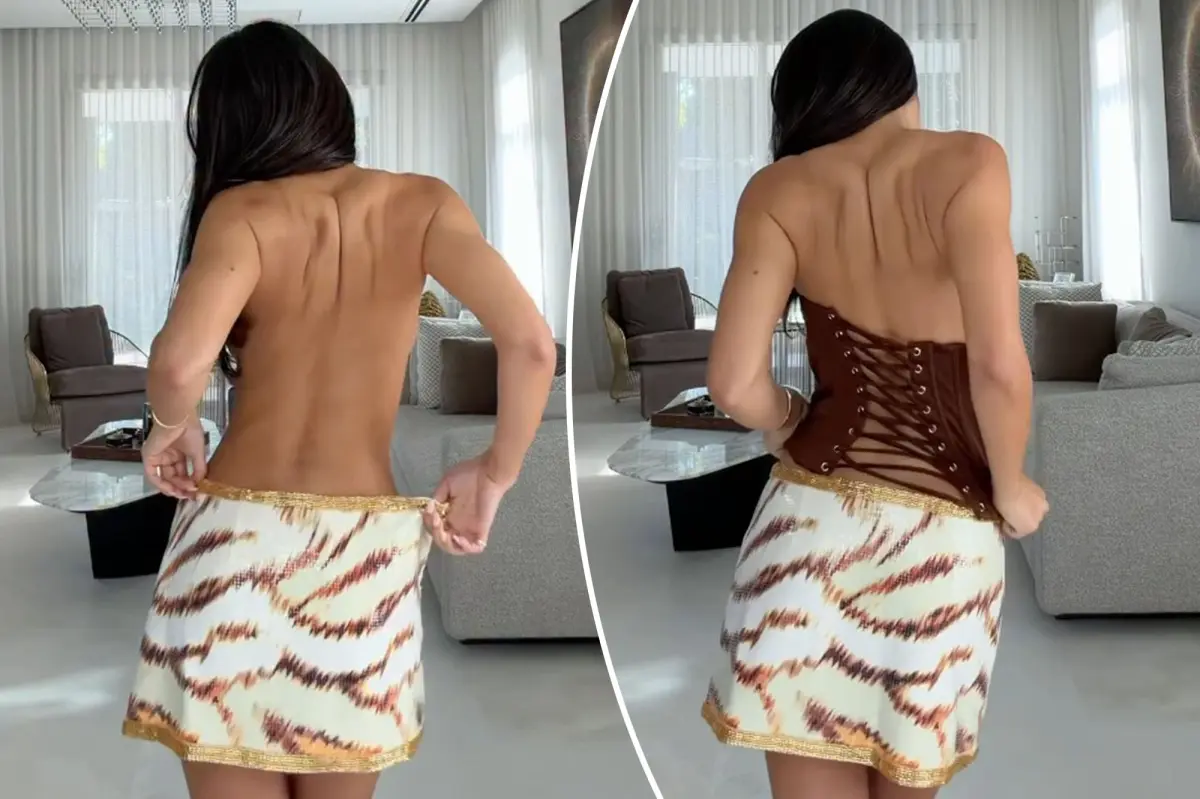
The landscape of modern social media is a fluid, hyper-accelerated ecosystem where trends emerge, dominate, and transform at a dizzying pace, reshaping the way we communicate, consume, and connect with one another. Among the vast array of content genres that have captured the global digital imagination over the last decade, the “Get Ready With Me” (GRWM) format has stood out as a remarkably resilient and wildly popular staple of lifestyle and fashion coaching. Initially conceived as a cozy, intimate window into the morning routines of everyday creators, GRWM videos offered viewers a comforting sense of virtual companionship, practical beauty advice, and relatable fashion inspiration as influencers casually chatted with their audiences while brushing their hair, applying makeup, and carefully selecting their outfits. However, this once-innocent, bedroom-vlog format has recently undergone a dramatic structural evolution, morphing into a highly polarized and provocative performance art that has left a growing number of social media users deeply concerned and utterly bewildered. Rather than initiating their videos in comfortable loungewear, oversized pajamas, or basic t-shirts, a rising wave of content creators is choosing to kick off their styling sequences by stripping down to their underwear—and sometimes even less. In these videos, creators routinely capture themselves with their backs turned entirely to the camera, standing completely shirtless to reveal their bare skin, curved shoulders, and a distinct “side-boob” silhouette, before dramatically tossing a brassiere into the air and beginning the physical process of putting on their clothes. This startling departure from conventional fashion vlogging has ignited a fierce, global conversation regarding where the line should be drawn between authentic self-expression, algorithmic manipulation, and crossing the personal boundaries of an unsuspecting public in an era where digital privacy is rapidly becoming an obsolete luxury.
To truly understand the sudden and widespread adoption of this shirtless trend, one must dissect the brutal and unforgiving economic realities of the modern attention economy under which these creators operate. On platforms like TikTok, the competition for user visibility is fiercer than ever before, with millions of content creators vying daily for the shifting gaze of audiences who possess increasingly microscopic attention spans. According to rigorous industry standards popularized by major digital platforms like Meta, a video has a critical window of a mere three seconds to capture a viewer’s gaze before they slide into the infinite, mindless scroll of their feeds. Within this highly cutthroat environment, the human body—particularly when presented in an unexpected state of undress—functions as a powerful biological and psychological cheat code that forces the human brain to pause, register the visual stimulation, and linger just long enough to count as a verified view. When an Australian creator stands in a hallway, throwing a lace bra over her shoulder before hooking it in front of the lens, she is not simply engaging in a routine act of daily dressing; she is executing a finely tuned business strategy designed to conquer the digital stream. For these influencers, the exhibition of bare skin has become a transactional tool of economic survival, transforming historical notions of bodily intimacy into a functional currency that can be leveraged for viral reach, brand sponsorships, and algorithmic validation. In a digital world populated by millions of voices shouting for attention, shocking the system with a flash of vulnerability has emerged as one of the most effective ways to thrive, proving that the human body remains the ultimate commodity in a tech-driven marketplace.
However, despite its undeniable efficacy in terms of search optimization and high engagement metrics, this boundary-pushing trend has triggered a wave of profound fatigue and discomfort among everyday viewers who feel as though their personal boundaries are being systematically ignored. This brewing discomfort was catapulted into the mainstream spotlight when popular Australian TikToker Joella Jackson released a candid video directly confronting the phenomenon, sparking an avalanche of agreement from weary users. In her viral critique, which quickly amassed over 300,000 views, Jackson vocalized a widespread exhaustion, directly asking her audience why some creators felt the need to compile their fashion videos while literally shirtless, noting with a brilliant mix of humor and exasperation that viewers were being subjected to unprompted side-boob and intimate bedroom rituals they never requested to see. Jackson’s poignant observation that she already knew how to put on a bra resonated deeply with millions of users who are beginning to voice frustration with the trivialization of these intimate moments. The comment sections beneath her video quickly transformed into a virtual town square for frustrated users to express their shared embarrassment, with many admitting they felt isolated in their discomfort until someone finally had the courage to call out how genuinely bizarre, hypersexualized, and unnecessary the trend had become on everyday social media applications. This backlash reveals a deeper, societal fatigue with the constant demand to view the private lives of strangers, highlighting a collective yearning for digital spaces that show respect for the viewer’s psychological comfort.
Predictably, the digital community remains deeply and passionately divided, with a vocal faction of creators and supporters rising to defend the trend against what they perceive as puritanical, regressive, and overly judgmental backlash. Proponents of the shirtless format argue that the criticism leveled against these influencers is not only unwarranted but deeply rooted in a historically toxic societal desire to police, control, and shame women’s bodies. From their perspective, the “shirtless GRWM” trend represents a joyful liberation of the self and an ultimate manifestation of complete bodily autonomy, where women are entirely free to celebrate their physical forms without shame, fear, or restriction. Defenders frequently point out the inherent self-governance built into modern social media platforms, reminding critics that if a particular style of video makes them uncomfortable, they possess the absolute freedom and agency to simply swipe up and scroll past it within a fraction of a second. They argue that the outrage is a massive overreaction to what is ultimately harmless creative expression, urging critics to refrain from analyzing the trend with such moral intensity when much larger issues exist in the world. By reframing the conversation around body positivity and self-expression, these defenders assert that a woman’s comfort in her own skin should never be weaponized against her, and that the discomfort experienced by some viewers is an internal issue of personal projection rather than an objective moral failing on the part of the content creator.
Beyond the immediate arguments concerning modesty and self-expression, however, lies a more complex and troubling psychological inquiry into the long-term societal consequences of our digital footprint and the relentless pressures placed on young content creators. Digital safety experts and concerned observers have expressed quiet panic over the permanence of the content being uploaded to these platforms, warning that the immediate gratification of millions of views can blind young, impressionable influencers to the potential future repercussions of having semi-clothed videos permanently archived on the internet. Once these highly personal, partially unclothed moments are released into the digital ether, they can be easily screenshotted, downloaded, and distributed across platforms far beyond the creator’s control, potentially impacting their future professional careers, personal relationships, and mental well-being in the decades to come. Furthermore, this trend highlights a dangerous escalatory cycle in digital media where creators are forced to constantly raise the stakes of their vulnerability to maintain their status, slowly desensitizing audiences and eroding their own personal boundaries in the process. It forces us to examine the psychological toll on individual creators who must continuously commodify their physical bodies and private rituals, leaving them trapped in a relentless cycle of self-exposure in order to stay relevant in an unforgiving, algorithm-driven economy that cares very little for their long-term humanity or emotional safety.
Ultimately, the contentious debate surrounding the shirtless GRWM trend serves as a powerful mirror reflecting the broader, complex struggles of humanity trying to navigate a world where the boundary between public display and private sanctuary has been completely dismantled. It compels us to reevaluate what it means to be truly connected, to express ourselves authentically, and to respect one another in digital arenas that are continuously governed by artificial intelligence and transaction-oriented metrics. While on the surface this trend may appear to be nothing more than a superficial, fleeting internet fad, it reveals a profound shift in how we conceptualize the human body—simultaneously treating it as a sacred vessel of personal sovereignty and an object of commercial exploitation designed to capture fleeting digital attention. As we move forward into an increasingly digitalized future, we are challenged to strike a delicate balance between fostering a culture that passionately defends individual creative expression and maintaining a collective space that respects personal boundaries and values genuine human dignity over high-engagement metrics. Behind every viral hook, split-second scroll, and online controversy, there are real, living humans trying to discover their value and place in a global community that is constantly watching, judging, and demanding more of their humanity for the sake of entertainment.