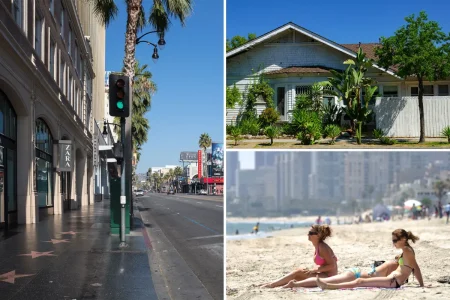






There is a timeless, almost mythical allure to the idea of the California road trip, a feeling of endless possibility that seems to linger along the state’s sun-drenched highways and misty coastlines. It is this unique magic that recently led travel experts to crown California as the absolute best state in the country for a long three-day weekend getaway. With a diverse topography that effortlessly bridges towering mountain peaks, sprawling desert sands, rugged northern cliffs, and pristine southern beaches, the Golden State offers an unmatched playground for those seeking a brief but deeply rejuvenating escape. As holidays like Labor Day approach, publications like Travel + Leisure frequently remind us of how easily one can trade the daily grind for world-class cultural hubs or European-style coastal villages without ever having to board an international flight. Yet, this glossy postcard version of California does not exist without its share of modern friction and local skepticism. For every traveler dreaming of wine-tasting under the golden hour sun, there is a seasoned local or weary commuter quick to point out the less glamorous realities of contemporary California life. Critics online are eager to temper the romanticism with warnings of bumper-to-bumper traffic on scenic coastal routes, painful six-dollar-a-gallon gasoline, and eye-watering thirty-dollar artisanal hamburgers. They argue that these steep costs and crowded freeways are bittersweet reminders of a golden era that has slipped away, leaving behind a beautiful but prohibitively expensive playground. Yet, despite these very real frustrations, the irresistible pull of California remains undeniably strong, drawing millions of visitors who are willing to navigate the crowds and the costs just to catch a fleeting glimpse of that legendary, sun-kissed dream. Whether you view it as a corporate-gilded landscape or an eternal treasure trove of natural wonder, the state continues to cultivate pocket-sized paradises perfect for a quick escape.
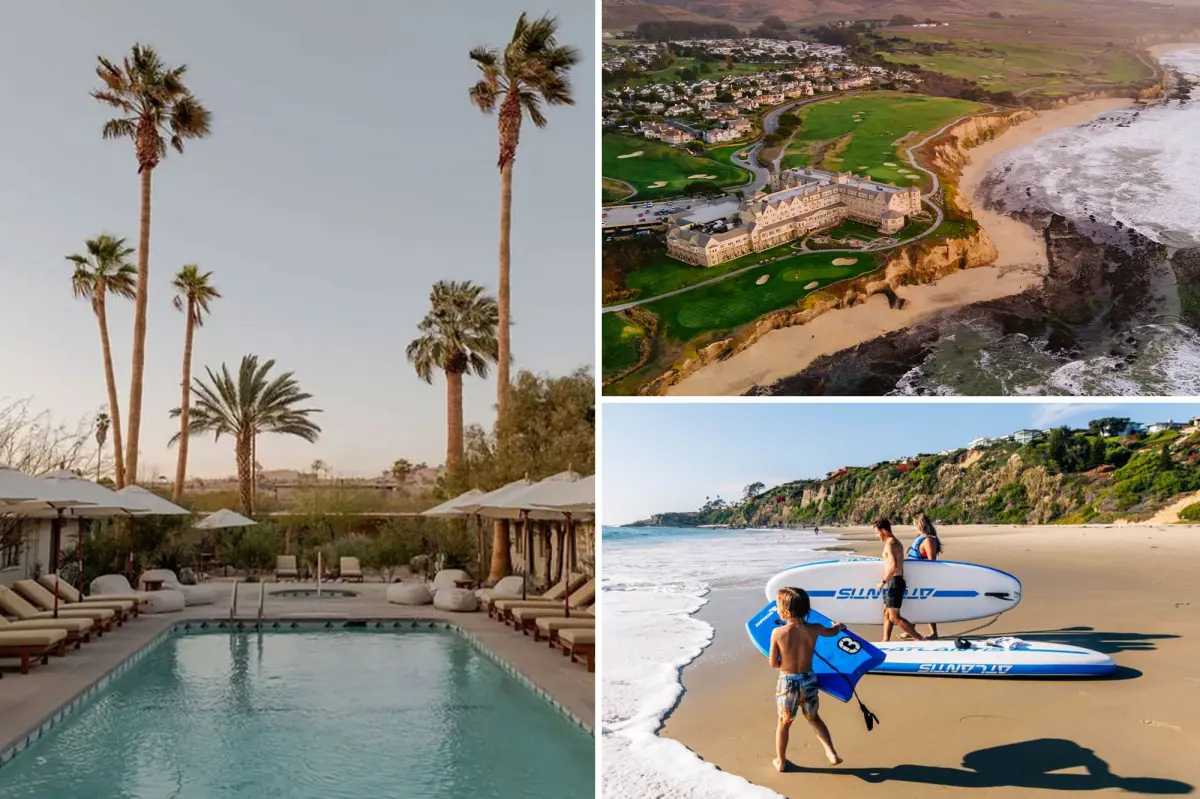
Among these pocket-sized paradises, the southern coastal haven of Dana Point stands out as a premier destination for those seeking an authentic, sea-salted escape from the hustle of Southern California. Situated in the heart of Orange County, this harbor city is celebrated not just for its luxury, but for its deep-rooted, organic connection to the Pacific Ocean. Local hospitality experts, like Lucinda Rogers of the Waldorf Astoria Monarch Beach Resort, describe Dana Point as a place defined by its genuine coastal energy, where life moves in tandem with the tides and the seasonal migrations of blue and gray whales. To truly experience the magic of this coastal sanctuary, visitors are encouraged to wake up before the rest of the world, stepping onto Monarch Beach just as the morning sun begins to crest over the horizon. At this early hour, the coast is quiet, bathed in a soft, ethereal light, offering a peaceful solitude that stands in stark contrast to the lively energy of the afternoon. As the day unfolds, the harbor comes alive with sailing vessels and whale-watching charters, offering travelers an up-close encounter with the rich marine life that calls these waters home. After a day spent on the water, the local culture invites you to slow down, encouraging long, leisurely dinners featuring freshly caught local seafood paired with a cold glass of regional white wine. This relaxed, upscale atmosphere has earned high praise from travelers who note that Dana Point feels remarkably distinct from the rest of Southern California, offering a clean, peaceful, and relatively traffic-free environment. Add in local culinary triumphs like Truly Pizza, which is frequently recognized as serving some of the finest, most meticulously crafted slices in the nation, and Dana Point solidifies its reputation as a coastal dream where classic California luxury meets laid-back harbor charm.
Further north, the San Francisco Peninsula presents a completely different kind of weekend adventure, characterized by an astonishing variety of landscapes packed into a remarkably compact geographic footprint. For travelers flying into San Francisco International Airport, the region offers unparalleled convenience, allowing them to escape the busy airport terminal and find themselves immersed in pristine, rugged nature in virtually no time at all. Local advocates, such as Craig Carroll of the Half Moon Bay Brewing Company, point out that within a mere thirty-minute drive of the tarmac, visitors can choose their own adventure from a diverse menu of classic Northern California experiences. One moment you might be walking along the dramatic, wind-swept coastal bluffs of Half Moon Bay, listening to the roaring Pacific crash against the jagged rocks below; the next, you could be wandering in quiet, meditative reverence beneath the cool canopy of ancient, towering redwood trees in the hills of Woodside. For those drawn to the ocean’s edge, the rocky, sea-washed tide pools of Pescadero offer a fascinating, hands-on look at delicate marine ecosystems teeming with starfish and sea anemones. Traveling along the scenic stretches of Highway 1, visitors are treated to views of rolling coastal farmlands and local farm stands selling fresh artichokes and berries, adding a rustic charm to the journey. As the afternoon transitions into evening, the peninsula’s vibrant urban centers, like downtown Redwood City, provide the perfect setting for a lively dinner, where local craft beers, artisanal spirits, and farm-to-table dining options reflect the culinary innovation of the Silicon Valley region. This effortless transition from a bustling international airport to serene wilderness, dramatic coastlines, and sophisticated dining makes the San Francisco Peninsula an incredibly attractive option for time-crunched travelers who want to maximize every single hour of their three-day weekend, proving that you do not need to spend days traveling to experience a profound, soul-stirring escape.
For those who find solace in vast open skies and silent, sun-baked landscapes, the high desert of Joshua Tree remains an iconic pilgrimage site for weary city dwellers in search of creative and spiritual renewal. Situated at the mystical convergence of the Mojave and Colorado deserts, this region possesses an otherworldly landscape dominated by twisted, ancient Joshua trees and colossal, gravity-defying granite rock formations that glow with a brilliant pink and gold hue at sunset. Travel experts like Rachel Peavy emphasize that the true magic of this area lies in the scenic stretch of desert connecting Joshua Tree Village to Twentynine Palms, a region that has slowly evolved from a rugged hiking outpost into a thriving hub for artists, musicians, and design-minded dreamers. While the endless hiking trails and world-class rock climbing routes remain a central draw for outdoor enthusiasts, a highly sophisticated creative community has breathed new life into the desert floor, curating an eclectic culture of minimalist boutique hotels, outdoor art installations, and exceptional culinary experiences. Visitors can start their desert mornings with a carefully crafted espresso and a sense of calm at Más o Menos, before fueling up on a hearty, locally sourced breakfast at Yucca Tree Eatery. After a day of exploring the national park’s vast, sun-drenched expanses, the evening calls for a memorable dinner at La Copine, a widely acclaimed desert oasis known for its inventive, globally inspired dishes, followed by retro cocktails and steaks at The Copper Room. When night finally falls over the vast desert, the lack of city light pollution reveals a breathtaking, star-strewn canopy that stretches endlessly from horizon to horizon, offering a quiet, humbling stargazing experience that makes the drive into the desert worth it all on its own. Joshua Tree is no longer just a place to pitch a tent; it has become a fully realized cultural retreat where the raw, unforgiving beauty of nature blends seamlessly with a laid-back, bohemian lifestyle that invites visitors to slow down and breathe.
While the desert offers a quiet, artistic sanctuary, the coastal city of Oceanside, located just a two-hour drive south of Los Angeles, represents a dynamic story of urban evolution and seaside reinvention. Traditionally known as a rugged, blue-collar military town neighboring Camp Pendleton, Oceanside has undergone a dramatic transformation over the past decade, shedding its old, rough-around-the-edges reputation—once colloquially and rather unfairly dubbed “Oceancrime”—to become one of the region’s trendiest beach getaways. Travel and credit card expert Ben Komenkul highlights Oceanside as an ideal destination for families and weekend travelers, noting that the once-sleepy town has blossomed into a vibrant hub of walkability, where beachfront hotels are just steps away from a bustling district of craft breweries, innovative eateries, and lively nightlife. However, this rapid reinvention has sparked a nuanced, deeply human conversation among locals and frequent visitors alike regarding the bittersweet nature of coastal gentrification. On forums like Reddit, residents and visitors reflect on the dramatic shift, noting that while the areas within blocks of the beach are now clean, safe, and filled with high-end dining, some of the town’s original, raw character has been replaced by expensive real estate and trendy, overpriced bars. Some long-time locals lament the loss of the city’s gritty, working-class identity, feeling that a certain authenticity has been sanitized away, while others wholeheartedly embrace the newfound safety and prosperity, with some even crowning Oceanside as the “new Encinitas” due to its fashionable, upscale coastal vibe. Despite these conflicting feelings, there is no denying the magnetic appeal of Oceanside’s current era; it offers a lively, energetic beach vacation that successfully blends historic pier culture with a modern culinary renaissance, making it a highly compelling stop on any Southern California itinerary for those who want to experience a classic beach town in the midst of its golden, modern renaissance.
Finally, for those who crave a weekend defined by quiet historic charm, mist-covered waters, and culinary indulgence, the small town of Tomales in Marin County offers an understated refuge far removed from the busier corners of Northern California. Tucked away near the rugged northern coastline, Tomales feels like a step back in time, boasting a historic 19th-century character and breathtaking water views that make it a favorite under-the-radar escape for travelers like Reneille Velez of Gian Events. Because of its close proximity to the world-renowned wine regions of Sonoma and Napa, Tomales serves as an idyllic, peaceful home base where visitors can enjoy the fruits of wine country during the day, before escaping back to the quiet coast to avoid the heavy crowds and commercialized tasting rooms of the larger towns. Staying at the intimate, historic ten-room Tomales Hotel allows travelers to fully immerse themselves in the local community, feeling less like passing tourists and more like temporary residents of a picturesque, cinematic coastal village where neighbors know each other by name. The perfect Tomales morning begins in quiet contemplation, holding a warm cup of coffee as you watch the thick, dramatic marine fog roll slowly over the tranquil waters of Tomales Bay, followed by a visit to the shore to savor incredibly fresh, briny oysters pulled straight from the cold, nutrient-rich depths of the local waters. Ultimately, this tiny, fog-draped haven, along with the majestic desert vistas of Joshua Tree, the convenient coastal trails of the San Francisco Peninsula, the pristine harbor charm of Dana Point, and the newly energized shores of Oceanside, highlights why California remains an unmatched mosaic of travel experiences. Despite the modern, very real headaches of freeway traffic, high prices, and rapid change, the Golden State continues to offer a diverse sanctuary for every kind of wanderer, proving that the legendary California dream is still very much alive for those who know exactly where to look.