







The Unconventional Marriage Trend Redefining Love and Commitment
They say absence makes the heart grow fonder, but for a growing number of modern couples, this adage has become a literal lifestyle choice. In a world where conventional wisdom dictates that marriage means sharing a home, a bed, and a life under one roof, a quiet revolution is taking place. Across the country, married couples are making the seemingly counterintuitive decision to live in separate residences, trading daily togetherness for intentional distance in the name of preserving their relationships. This arrangement, known as “Living Apart Together” or LAT, is challenging deeply ingrained societal norms about what it means to be married, and the results are sparking both passionate support and fierce criticism. For some, it is the ultimate relationship hack, a way to keep the spark alive by maintaining mystery and independence; for others, it is nothing more than a slow-motion divorce, an elaborate avoidance mechanism that masks fundamental problems rather than solving them.
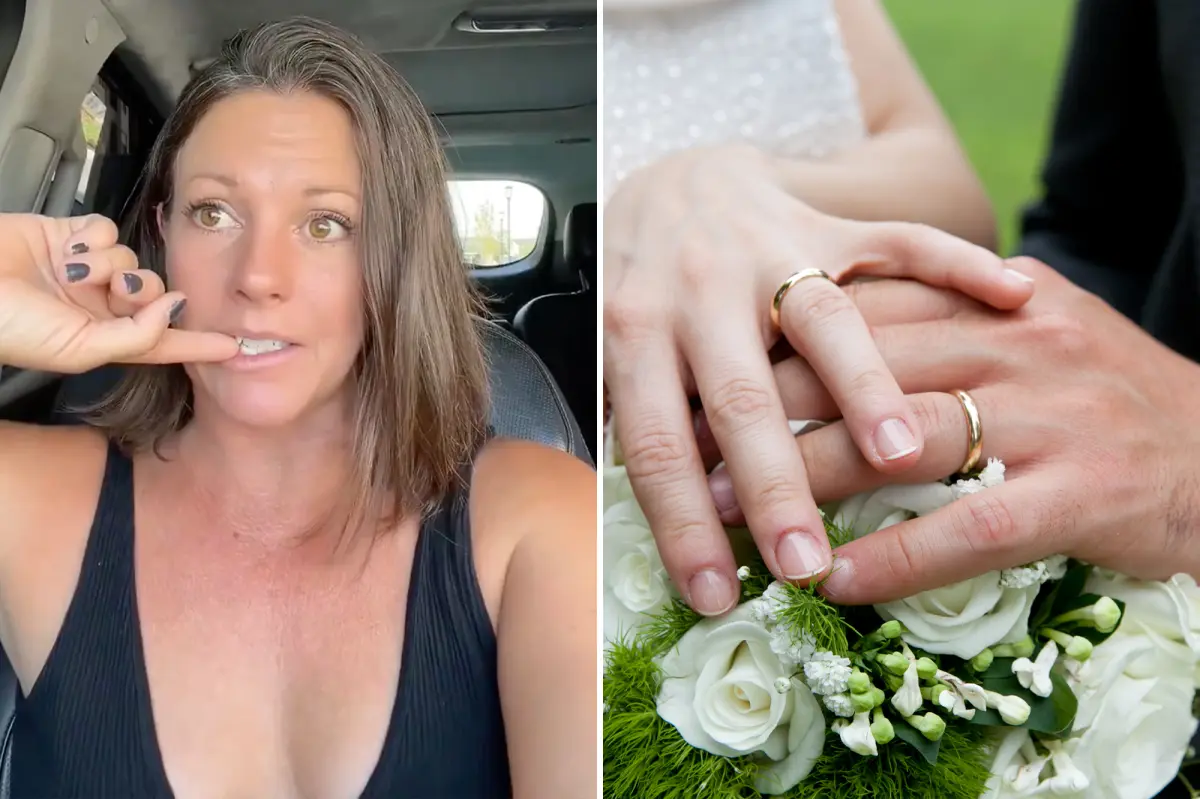
The conversation was thrust into the mainstream spotlight recently when Marcela Hill, a married woman, posted a video detailing her decision to move into her own apartment less than a mile from her husband. The video, which was reshared on X, quickly went viral, igniting a firestorm of commentary from people on all sides of the debate. Hill explained that years of cohabitation had left the couple bogged down by petty household disagreements and the everyday frictions that inevitably arise from sharing a living space. By moving into separate apartments, they didn’t just create physical distance; they created a psychological buffer that allowed their relationship to breathe. Hill described the experience as being back in “dating mode,” claiming that they still see each other regularly, go on dates, and often spend the night together, but now they have their own private sanctuaries to retreat to when needed. She attributes the success of this arrangement to the newfound space it gives her to focus on her own well-being, spending more time at the gym, building her company, and calming her nervous system. According to her, the result has been transformative, declaring that their marriage has never been better.
Hill’s story highlights a growing statistical trend that has been quietly building for years. Data from the 2021 Census indicates that approximately 3.89 million married Americans live apart from their spouses, a number that relationship experts suggest represents a deliberate choice for many, rather than a sign of marital distress. The advocates of the LAT arrangement argue that it can actually strengthen a relationship by fostering intentionality, reducing conflict over chores, preserving independence, and rekindling the excitement of dating. They maintain that absence truly does make the heart grow fonder, as each encounter becomes more meaningful and less routine. For these couples, maintaining two homes is not a sign of failure but a strategic investment in their future together, a way to ensure that their partnership is built on desire and choice rather than obligation and habit. It shifts the focus from managing a household to nurturing a connection, forcing couples to communicate more deliberately and to prioritize their time together precisely because it is not a given.
However, the chorus of skepticism is equally loud, with many accusing couples who choose to live apart of merely delaying the inevitable. Critics label the practice as “divorce with extra steps,” arguing that the very foundation of marriage is the ability to navigate the mundane challenges of everyday life together. They question whether separate homes solve underlying problems or simply allow couples to avoid them, pointing out the significant financial strain of maintaining two households, the complex logistics for families with children, and the considerable effort required to stay emotionally connected across physical distance. The risk, they contend, is that space can easily become avoidance, and independence can subtly transform into emotional distance, ultimately making the marriage feel more like a long-distance friendship than a deep partnership.
Relationship therapist Mary McLaughlin, who has spent over 25 years counseling couples, offers a nuanced perspective on the trend. She has witnessed both happy and miserable marriages across all living arrangements, emphasizing that there is no one-size-fits-all solution. While she doesn’t see separate living arrangements as an automatic red flag, she raises a critical question: are these couples solving the problem, or are they just making it easier to ignore? McLaughlin cautions that living apart can relieve pressure in the short term, but it does not address the root causes of conflict. It may allow partners to present their “best selves” by avoiding the daily annoyances of shared life—from dirty dishes to the sound of chewing—but the underlying issues of communication and compatibility often remain unresolved. Her warning is clear: don’t mistake the temporary relief of separation for the hard work of actually fixing the relationship.
Societal expectations around marriage are also evolving, as dating coach James Preece points out. The growing popularity of “Living Apart Together” reflects a broader cultural shift in how couples view commitment. More and more people are seeking fulfilling relationships but are increasingly unwilling to surrender their independence. In a world that values autonomy, personal growth, and individuality, the traditional model of marriage can feel constraining. By giving each other space, Preece argues, couples find that the time they do spend together becomes more valuable and more exciting. The distance creates an opportunity for a “restart,” allowing them to bring the best parts of themselves to the relationship, maintaining a sense of adventure and mystery that is often lost in the routine of daily cohabitation.
Ultimately, the decision of how to structure a marriage is deeply personal, and the narrative around LAT is far from settled. The experiences of couples like Marcela Hill and Nanette Murphy, who even lives in a different country from her husband, offer compelling evidence that alternative structures can lead to thriving, committed relationships. Yet, the cautionary tales from therapists and critics serve as a necessary reminder that living apart is not a magic pill. It is a high-risk, high-reward strategy that requires immense communication, trust, and financial stability to succeed. The real question is whether it allows couples to build a stronger, more intentional connection, or whether it simply creates a comfortable distance from the intimacy and compromise that form the true core of marriage. As the debate rages on, one thing is certain: the definition of a successful partnership is becoming as unique and individual as the couples who define it.