






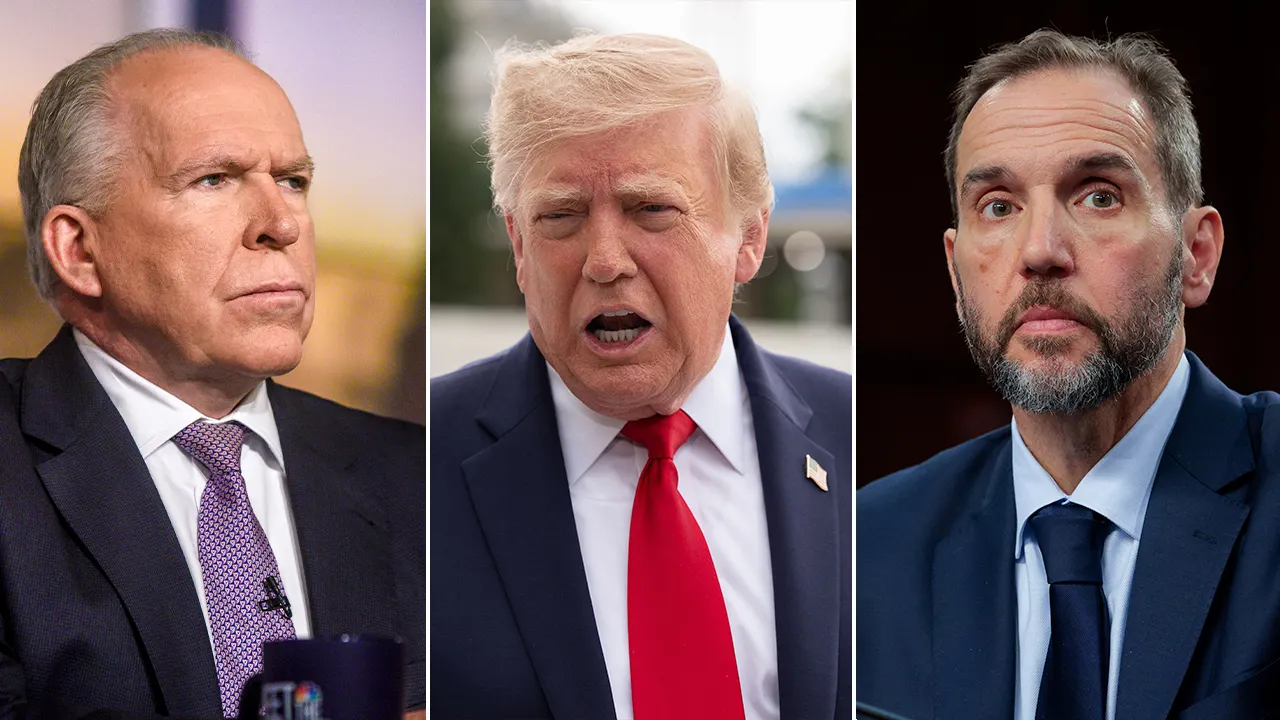
Good morning, and welcome to a world where the news cycle never really sleeps. This morning’s Fox News First briefing reads less like a simple list of headlines and more like a snapshot of a nation holding its breath, juggling legal drama, geopolitical tension, cultural battles, and the quiet, quirky moments that make life worth living. At the top of the list, special counsel Jack Smith’s Senate testimony is already generating fresh questions, with lawmakers and legal observers parsing every word for hints of political motivation or procedural overreach. It’s the kind of Washington spectacle that feels both familiar and unsettling, as if the country is watching a legal thriller unfold in real time, unsure whether the final scene will bring accountability or more chaos. Alongside that, Vice President JD Vance has laid down what he calls a “very basic threshold” for any future Iran deal, making clear that the administration is not interested in symbolic agreements or vague promises. The bar, as he frames it, is about concrete, verifiable action that protects American interests and allies. And in a sign of how fast the political landscape is changing, a new super PAC has launched a $1.2 million push to block AI-backed candidates, tapping into a growing anxiety that deepfakes, algorithm-driven messaging, and artificially generated personas could fundamentally alter how Americans choose their leaders. It is a lot to process before coffee, but these three stories set the tone for a day full of high stakes and hard questions.
Turning to the broader security landscape, the morning’s headlines carry a sobering mix of border enforcement and international danger. Federal agents intercepted a boat carrying 14 undocumented immigrants just before they could unload in a wealthy coastal enclave, a stark reminder that migration routes are shifting and that even the most privileged corners of the country are not immune to the smuggling networks operating with brazen confidence. The operation, described as a coordinated intercept, likely prevented a dangerous landing that could have ended in tragedy or a political firestorm. Meanwhile, a ship has sunk with its crew still missing after a brazen strike inside NATO member waters, a chilling development that raises fresh questions about the reach of hostile actors and the vulnerability of commercial shipping lanes. The incident is still unfolding, but it underscores how quickly a localized conflict can ripple outward, threatening not just soldiers but civilians going about their daily work. In response, the State Department has issued an urgent warning urging Americans to avoid a specific island hot spot where threats of violence are looming, though the language remains deliberately vague, leaving travelers to wonder exactly how much danger they might be sailing into. These stories are joined by a broader sense of unease about military readiness, with a new podcast episode examining how the U.S. armed forces are coping with growing global demands, shifting deployments, and the lingering shadow of the October 7th attacks that reshaped the Middle East three years ago. It is a sobering moment to reflect on how many fronts are simmering at once, and how the line between homeland security and overseas conflict has become increasingly blurred.
On the domestic political front, the news is a mix of fiscal oddities, cultural flashpoints, and the kind of bureaucratic battles that often feel removed from everyday life but actually affect how we spend our money and even how we tell time. Congress famously killed the penny, and now it appears to be coming for the 13-cent nickel, a move that has sparked a surprisingly emotional debate about tradition, copper, and the true cost of making change. The argument is simple enough: if a coin costs more to produce than it’s worth, why keep making it? But the symbolism of the penny, from Abraham Lincoln’s profile to childhood piggy banks, makes it harder to let go than pure economics would suggest. In a similar vein, the fight over daylight saving time is heating up again, with House GOP leaders launching a fresh pressure campaign to persuade President Trump to follow through on his promise to end the biannual clock-changing ritual. It sounds like a small issue, but anyone who has spent a week adjusting their sleep schedule after a time change knows how personal it feels. Meanwhile, a $30 million plan to fight antisemitism, spearheaded by a controversial figure named Mamdani, has taken an unexpected turn by including increased funding for an anti-Israel group, drawing sharp criticism from those who see the move as counterproductive at best and deeply troubling at worst. The story is a reminder that even well-intentioned initiatives can get tangled in the complexities of Middle East politics. And in the education arena, an unearthed clip has exposed a claim made by Talarico about “students of color” in public schools, adding another layer to the ongoing national argument over race, history, and what children should be taught. Each of these stories, from the nickel to the classroom, reflects a country wrestling with its own identity, trying to figure out what traditions are worth keeping and which ones are ready to be retired.
The media and entertainment world is having its own moment of reckoning, and the headlines are as unpredictable as ever. Tom Cruise, a man who has built an entire career on impossible stunts and box office dominance, is suddenly facing a rare flop, and Hollywood is scratching its collective head over the brutal debut. It is a humbling reminder that even the biggest stars are not immune to changing audience tastes, and that the streaming era has made theatrical releases a riskier gamble than ever. Over on daytime television, a host of “The View” has admitted she stays registered as a Republican for one key reason, a confession that has delighted some and infuriated others, but mostly it highlights the strange strategic games people play with party registration in a divided country. Meanwhile, Moms for Liberty co-founder is declaring vindication after a Department of Justice report released stunning findings that appear to support the group’s long-standing concerns about parental rights and school transparency. It is a significant shift in the narrative, one that the organization hopes will reshape the broader debate. And in a story that feels ripped from a true crime podcast, a bar is denying that it served alcohol to an underage accuser before an alleged assault at Cornell, raising questions about accountability, memory, and the often messy intersection of nightlife and campus life. These stories are not just entertainment gossip; they are windows into the cultural forces shaping how Americans see themselves, their institutions, and their neighbors.
Amid all the tension and controversy, there are also moments of profound humanity and unexpected wonder. Former Hamas hostage Omer Shem Tov has opened up about enduring 505 days in captivity, and his story is not just about suffering but about the fragile thread of hope that kept him alive. In another powerful moment, a former hostage has countered a scheduled event by Hasan Piker at UT Austin, choosing to share her own survival story instead of letting a political narrative define her experience. These voices remind us that behind every headline about war and terrorism are real people who have lived through unimaginable pain, and their resilience is both heartbreaking and inspiring. On a lighter note, gold is finding a new source of demand, and the boom is apparently just beginning, driven by forces that go beyond jewelry and central banks. It is a fascinating economic shift that could have implications for investors and industries alike. And for those who love a good treasure hunt, a man searching for gems at a state park spotted something “glowing” in the gravel, turning an ordinary walk into the kind of discovery that makes you believe in luck again. There is also the perennial fascination with longevity, as researchers reveal that people who live to 100 tend to have three drinks in common, though the exact ingredients remain a topic of cheerful speculation. Even the American culture quiz, testing knowledge of protein power and country chart-toppers, offers a chance to step back from the doom and gloom and simply play along.
Finally, as the morning winds down, it is worth pausing to consider the deeper reflections offered by the opinion pages. Dr. Marc Siegel writes that he went looking for miracles after October 7th and instead found angels hiding in plain sight, a beautiful meditation on the goodness that emerges even in the darkest times. His words are a reminder that while we often focus on the cruelty of the world, there are countless quiet acts of courage and kindness that rarely make the news but sustain us all. Karl Rove, meanwhile, reflects on how Fox News changed the media landscape thirty years ago, and he argues that the best is yet to come. Whether you agree with his politics or not, his essay is a reminder of how much the way we consume news has transformed over a single generation, and how uncertain the future still remains. As the newsletter signs off with a promise to return in your inbox first thing Thursday, there is a sense that the cycle never truly ends, but neither does the human spirit. We carry the weight of the world’s problems, but we also carry the stories of survivors, the thrill of discovery, and the small rituals that keep us grounded. So take a breath, sip your coffee, and get ready for another day. The headlines will keep coming, but so will the moments of grace, humor, and unexpected joy that make it all worth paying attention to.