



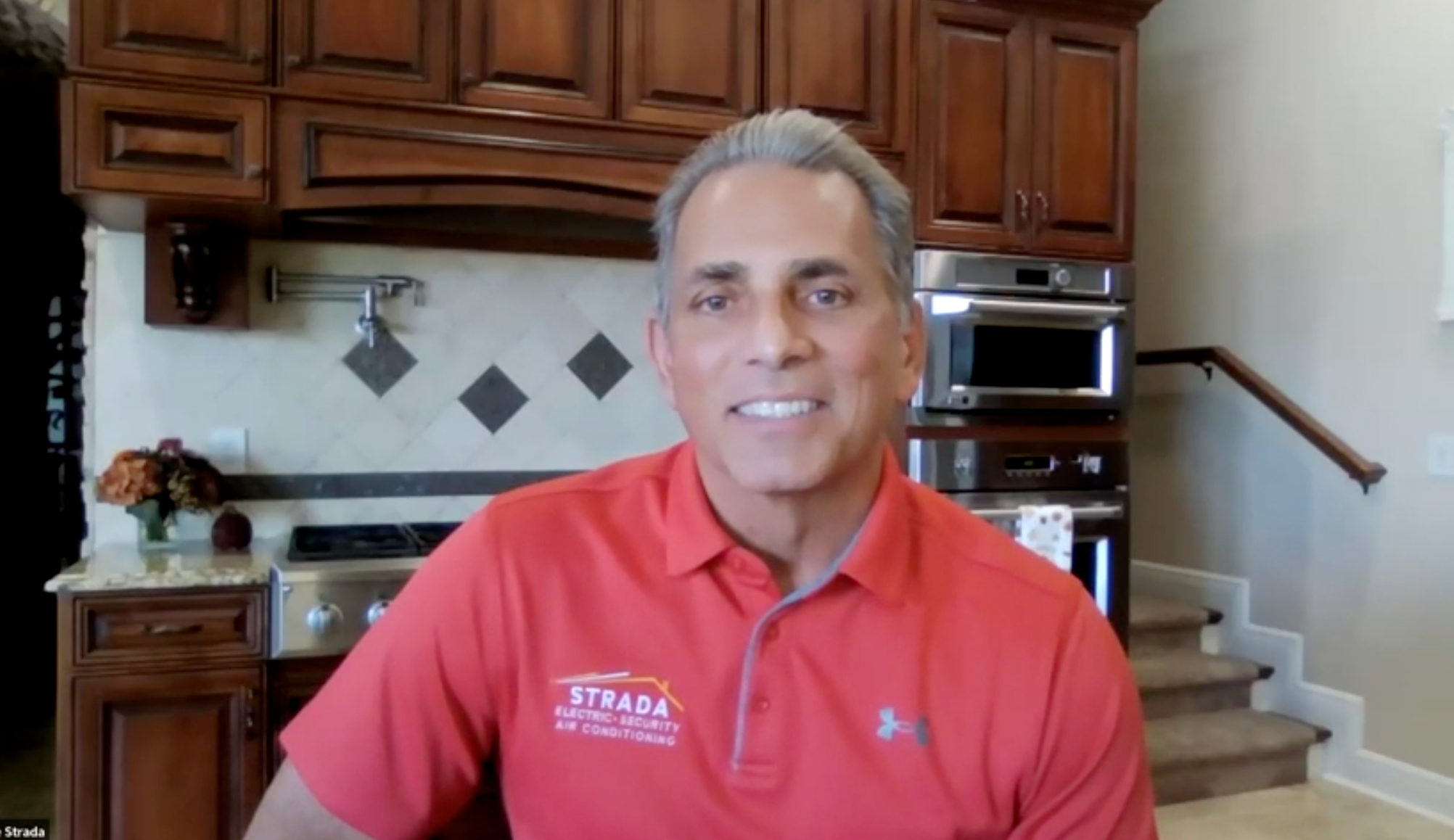
Joe Strada’s story begins not in a boardroom or a law library, but in the dim, clattering back rooms of a bowling alley, where a young kid with a natural curiosity and a pair of willing hands made his first dollar fixing whatever broke. It is a humble origin that shapes everything about the Florida businessman and Republican congressional candidate, and one he tells with a grin, marveling at how far that first wrench has carried him. Today, Strada runs an HVAC, electrical, and plumbing company with roughly 4,000 employees across 13 states, a massive enterprise born from decades of sweat, risk, and relentless learning. If he wins Florida’s 11th Congressional District in three weeks, he would likely become the wealthiest person ever to sit in the U.S. House of Representatives—yet he insists that the fortune he has built doesn’t define him. What defines him, he says, is the work itself: the pride of fixing things, the habit of building, and a belief that the American dream is not a legacy handed down but a path you carve with your own hands. He remembers growing up tough, with a swimming pool that often turned green because his family couldn’t always afford chlorine, and he laughs about how it made for the best Marco Polo pool in the neighborhood. That mix of hardship and humor stayed with him, as did his father’s example of hard work. Strada doesn’t pretend his climb was easy; he says it was difficult, especially with the headwinds of government rules and regulations that seemed designed to trip up small business owners. But he also wants everyone to know that it can be done, that the capitalist system that rewarded his grit and ingenuity is still capable of working for others who are willing to roll up their sleeves and learn.
As his company expanded across the country, Strada hit a wall that many entrepreneurs recognize: he had the opportunity to grow, but not enough skilled labor to meet the demand. The shortage forced him to think differently. He couldn’t wait for Washington to solve his problem, and he refused to sit around complaining about it. So he built his own training program, one that takes young people with zero experience and turns them into skilled tradespeople, paying them from the very first day. As he puts it, you might not know how to spell AC or which end of a screwdriver to hold, but if you show up, the company trains you and hands you a career that can support a family for a lifetime. This experience turned Strada into a passionate evangelist for the trades. He travels the country speaking to high schools and trade schools, trying to spread the word to young people who may feel pressure to go to college but who don’t realize the opportunity waiting in the trades. He points out the crushing weight of student debt—$250,000 or more for some graduates—and contrasts it with his industry, where you can start earning immediately and move up on skill and effort. The mission isn’t just about filling his own workforce; it’s about building a broader respect for the kind of work America still desperately needs. Strada believes that the country has been so focused on pushing everyone toward a four-year university that it has forgotten the dignity and security of a trade. He argues that tradespeople are the backbone of the economy, and that young Americans deserve to know about this path before they make choices that will burden them with debt for decades. His own success is proof that practical skills, not just degrees, can lead to extraordinary results.
Frustration with Washington is what ultimately drove Strada into politics. As a business owner, he watched rule after rule, regulation after regulation, roll out of the capital and make life harder for families, small business owners, and entrepreneurs. He says he realized that the people making these decisions have often never met a payroll, never signed the front of a check, never had to figure out how to keep thousands of workers employed through an economic downturn. Instead, Washington is filled with lobbyists, politicians, and attorneys, people who are experts at navigating the system but not at fixing its broken parts. Strada decided it was time to send someone with a different perspective: a business-minded problem solver who knows how to fix things. He is careful to say that becoming rich hasn’t made him lose touch; he wakes up every morning the same person he was at twelve years old, and he doesn’t apologize for his success. But he uses that success to make a point about the kind of policy he would bring to Congress. He talks about the importance of letting people keep more of what they earn, of cutting through red tape, and of creating an environment where businesses can grow and hire. He wants Washington to feel less like a distant, unaccountable bureaucracy and more like a partner in economic opportunity. For Strada, this is not just political rhetoric; it is the lived experience of someone who has had to fight every step of the way, and who believes that the government should be clearing obstacles from the path to success, not piling them up higher. He is running to be a fixer, not a career politician, and he hopes voters will see that his business experience is exactly what Congress has been missing.
Strada’s views on labor and workforce are frank, sometimes controversial, and deeply rooted in his belief in personal responsibility. He argues that America has a large reservoir of willing workers that is being left untapped, in part because too many people are sitting at home collecting government payments instead of getting into the workforce. Some, he admits, are simply lazy, but many others just need the opportunity and a push in the right direction. He wants to see what he calls a “government paycheck” replaced by a real paycheck that comes with dignity, skills, and a future. He has seen it happen in his own company, where people who started with nothing have gone on to become entrepreneurs and open their own businesses. Those moments, he says, are what give him the most satisfaction. On the issue of immigration, Strada is equally direct, praising efforts to secure the border and keep criminals out, while insisting that the labor shortage can be addressed by Americans who are already here. He points to the millions of people who are capable of learning a trade but who have never been shown what’s possible. He wants to reach those people through trade schools, apprenticeships, and community programs, and he believes this would do more than just fill jobs; it would transform lives. His approach is grounded in the same philosophy that guided his own rise: hard work should be celebrated, rewarded, and made accessible to everyone. He doesn’t have much patience for excuses, but he has enormous patience for a person who is willing to learn and put in the effort. That combination of toughness and generosity is one of the things that makes him interesting as a candidate, and it comes straight from his experience building a company from the ground up. He knows exactly how hard it is to start from nothing, and he knows exactly what it feels like to build something that supports thousands of families. That experience has given him a clear-eyed view of what works and what doesn’t, and he intends to bring that honesty to Washington.
Behind the success and the tough talk is a story of sorrow that reveals the deepest part of Strada’s character. In 2018, his son, Joe Strada, was an innocent bystander killed by a stray bullet during a gunfight outside a shopping center in Lake Mary, Florida. It is the kind of tragedy that could shatter a person, and it clearly still shapes everything Strada does. He speaks about his son with both heartbreak and tenderness, saying that every decision he makes is meant to make his son proud, who he calls his son in heaven looking down on him. That loss has given him a profound sense of purpose and a commitment to character that he says matters far more than the size of a bank account. He knows that when you put your head on the pillow at night, all the money in the world doesn’t answer the question of who you really are. What matters is how you treated people, what you stood for, and the legacy of integrity you leave behind. He defines himself not by the number of zeros in his bank account, but by the daily choice to do the right thing for his God, his family, and his community. He says that money is just a number, and that far too many people are obsessed with wealth while ignoring the deeper things that make life meaningful. His grief has also strengthened his resolve to make the world a better place, and it is part of why he feels called to public service. He wants to fight for the kind of country where tragedies like his son’s death are less common, where streets are safer, and where everyone has a chance to live their version of the American dream. It’s a deeply personal motivation, and it has given him a resilience that cannot be faked.
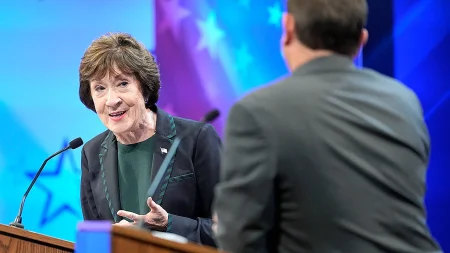
Looking ahead to the general election, where he will face Democrat James Pericola, a Clinton administration official, Strada is focused on a few specific priorities that he hopes to turn into law. His first promise is to put the SAVE Act on the floor and sign it into law, a piece of legislation that he believes would help secure the country and make communities safer. But beyond that, he wants to create a radical shift in how America treats trade schools. He argues that the federal government pours billions of dollars into Ivy League universities, while graduating what he calls unhirable people who, in his words, “some of them hate America.” He thinks the system is upside down, and that the same amount of funding and respect should be given to trade schools, which produce the engineers, electricians, plumbers, and builders who actually keep the country running. His vision is a nation where young people are encouraged to pursue their gifts, not just their status, and where a skilled mechanic can be as respected as a Harvard graduate. He wants to see trade schools treated the way elite universities are, with real support from the government and a central place in the American education system. He believes that this is the key to unlocking the country’s full potential and solving the labor crisis at the same time. As he campaigned across Florida, he returned again and again to the same message: America is great because it allows people like him to rise, and we need to make sure that remains true for the next generation. He does not see his wealth as something to apologize for, but as proof that the system can work when it is not weighed down by unnecessary government overreach. Above all, he wants to be a voice for the working class, for the handyman who becomes an entrepreneur, and for the young people who need to hear that there is more than one road to success. It is a vision that is deeply personal, recognizably American, and rooted in a story that began with a teenager fixing broken pinsetters in a bowling alley—and is now about to decide the future of a nation.