


The rain fell in sheets over Cleveland on Friday night, turning what should have been a pivotal Game 4 of the American League Championship Series into a long, soggy exercise in patience. The Tampa Bay Rays and Cleveland Guardians arrived at Progressive Field ready to battle, but the skies had other plans. Major League Baseball and both teams spent hours monitoring radar, hoping for a three-hour window of dry weather that never came. The showers kept rolling through, one band after another, until the decision became inevitable. “It never cleared out the way they were hoping,” Rays manager Kevin Cash said, his voice carrying the weariness of a long day spent waiting. “It started to get later in the hour, and MLB and I think both clubs did everything they could to try to get it in.” Guardians manager Stephen Vogt echoed that sentiment, acknowledging the difficult call. “We knew how many days ago that today was going to be a challenge,” he said. Ultimately, MLB decided to wait it out, postponing the game for the first time in an ALCS since 2019. The wait would not be long, but for the players, coaches, and fans crammed into the stadium and watching from home, it felt like an eternity of uncertainty.
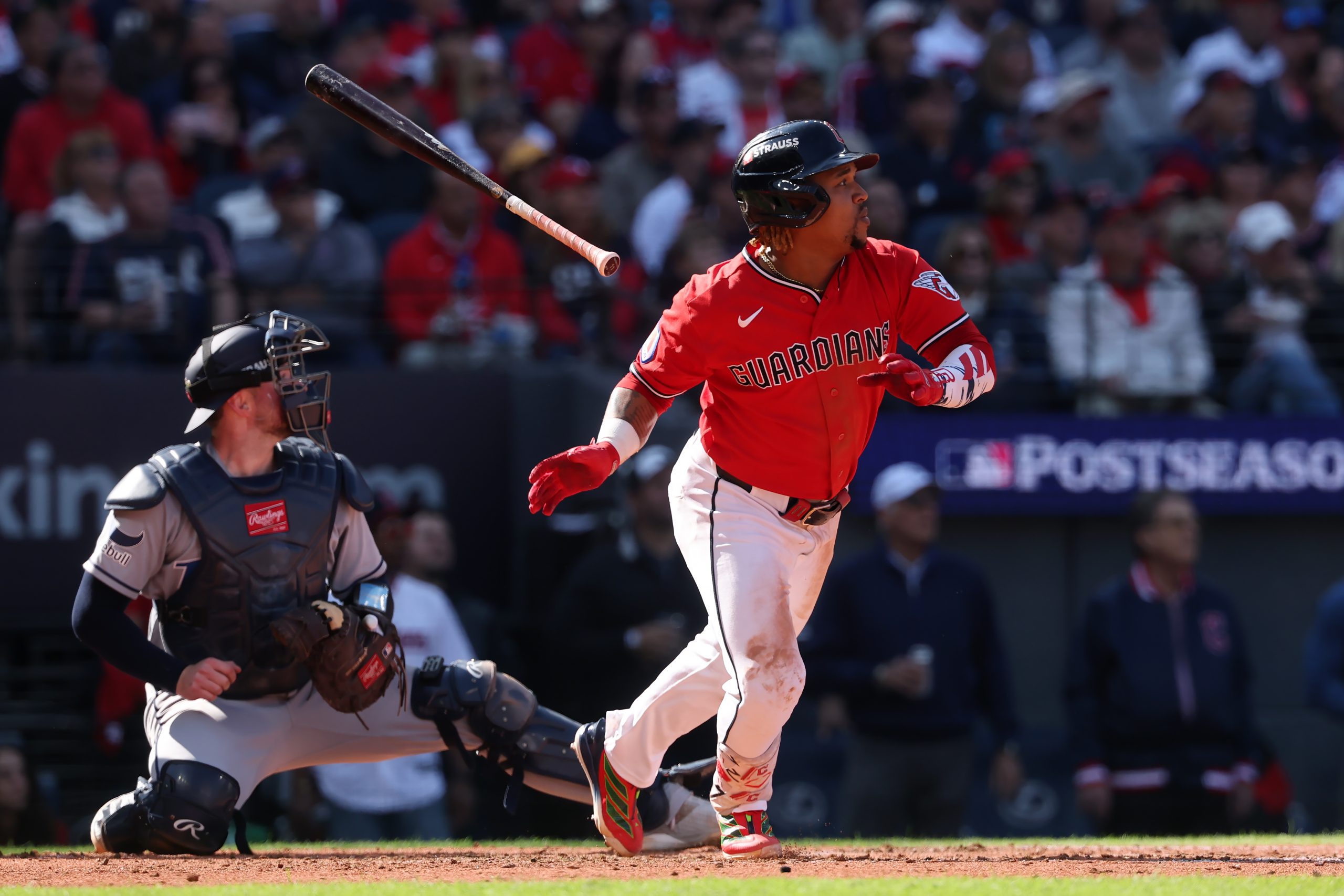
The postponement reset the clock for Saturday, when the series would resume at 8 p.m. ET, with forecasts promising morning clouds giving way to afternoon sun, temperatures in the low 50s, and a crisp October chill in the air. For the Guardians, the extra day was a chance to breathe, to recalibrate, and to hold onto the momentum of a 2-1 series lead. That lead was forged in Game 3 on Thursday afternoon, when Petey Halpin’s two-run homer powered Cleveland to a 3-2 victory, a game that felt like a statement. The young Guardians, so often overlooked, were suddenly one win away from taking a commanding advantage in a best-of-seven series. But the rain delay also brought an edge of anxiety, the kind that creeps in when you have time to think. For Tampa Bay, the postponement was an opportunity to reset, to steady themselves after a gut-wrenching loss, and to remind themselves that the series was far from over. The last time an ALCS game was postponed, the New York Yankees and Houston Astros were locked in their own October drama. Now, in Cleveland, a new generation of players was learning that postseason baseball is as much about handling the unexpected as it is about handling a fastball.
When Saturday arrives, both teams will send the same starting pitchers they had planned for Friday, a small comfort in a sport defined by routine. Cleveland will open with a bullpen game, using veteran right-hander Shawn Armstrong as the opener. Armstrong’s presence on this stage is something of a miracle. In late July, he strained a calf muscle and thought his season was finished. He spent weeks rehabbing, grinding, and hoping, and somehow made it back for the final week of the regular season. Now he finds himself in the middle of a pennant race, facing the very organization that drafted him in the 18th round back in 2011. Armstrong made his big league debut with Cleveland four years later, then bounced around—Seattle, Tampa Bay, and other stops—before returning home this season. “I think I said it to Erik Sabrowski, whenever we were standing in the outfield in Game 2 in Tampa—obviously I played here, I got drafted here, coming back here and being able to be in this situation is—words can’t describe it,” Armstrong said, his emotions spilling out. In his first four appearances this postseason, he had allowed just one hit in 5⅓ innings, striking out five. He was throwing with the kind of confidence that comes from knowing you have nothing to lose and everything to gain.
On the other side, Tampa Bay will counter with Nick Martinez, a right-hander who has been one of the most reliable starters in the American League all season. Martinez posted a 15-6 record with a 3.10 ERA, ranking sixth in the AL, and he made 26 starts in which he allowed three runs or fewer, a testament to his consistency and poise. In his last outing, a Division Series start against the New York Yankees, he lasted 3⅔ innings, giving up two runs on five hits with three strikeouts—not perfect, but steady enough to give his team a chance. Martinez knows what lies ahead. “It’s just like my starts throughout the year; it’s going to be a dogfight going in, just to see how many outs I can get for this team. It’s important,” he said Thursday. His words captured the essence of postseason baseball: every pitch matters, every out is a small victory, and the grind of October can wear down even the strongest arms. The Guardians’ decision to use a bullpen game means Armstrong will likely pitch an inning or two before handing the ball to a parade of relievers, each one tasked with keeping the Rays off balance. The Rays, meanwhile, will hope Martinez can pitch deeper into the game, preserving a bullpen that has been taxed by the emotional swings of the series.
The scheduling now becomes a test of endurance for both clubs. Because of the rainout, the teams might have to play the final four games of the series without a day off, culminating in a potential Game 7 on Tuesday. That is a brutal grind—four games in four days, no travel days, no rest for weary arms and aching bodies. For the players, it means a relentless cycle of preparation, competition, and recovery, with little time to savor victories or dwell on defeats. The Guardians, with a 2-1 lead, are in a position to control their own destiny, but they know how quickly momentum can shift in October. Vogt, ever the steady hand, kept his focus on the immediate task. “We’ve got four games in a row. We have an opportunity to win some games and move on. And that’s all we’re focused on,” he said. Meanwhile, the Milwaukee Brewers are watching from a distance, having completed a four-game sweep of the two-time defending World Series champion Los Angeles Dodgers in the NL Championship Series on Thursday night. Milwaukee will open the World Series at home on Oct. 23 against the Cleveland-Tampa Bay winner, giving them a full week of rest while these two teams beat each other up. The contrast is striking: one team will arrive at the Fall Classic fresh and ready, while the other will limp across the finish line, exhausted but alive.
In the end, this rain delay is just another chapter in a postseason that has already been full of surprises, heartbreak, and joy. For the players, the extra hours spent waiting in clubhouses were a reminder that baseball is not always a game of clean lines and perfect timing. It is messy, unpredictable, and often out of your control. The managers did their best to keep their teams loose, but even they could not hide the tension. Every weather call, every radar check, every whispered conversation between officials carried the weight of a season. For Armstrong, the delay was one more obstacle in a journey that has already tested his resolve. For Martinez, it was a chance to rest and refocus before the biggest start of his career. And for the fans, it was a reminder that October baseball is not just about the games themselves, but about the moments in between—the anticipation, the anxiety, the shared hope that the weather will clear and the game will go on. When the first pitch is finally thrown on Saturday, all the waiting will fade into the background, replaced by the crack of a bat and the roar of a crowd. But for one rainy night in Cleveland, baseball had to wait, and the world had to remember that even the most important games are subject to the whims of the sky.