


The United States Senate has effectively closed up shop for the summer, a familiar sight in Washington, D.C., but one that came after a highly unusual and politically charged week. For roughly two weeks, the chamber has been operating in a state of hibernation, holding brief, symbolic “pro forma” sessions where the gavel is pounded, and the door is shut just as quickly. These are not working sessions; they are constitutional formalities designed to prevent the President from making recess appointments while the country’s lawmakers are scattered across the globe. While the Senate is officially not in session, the political fallout from the debate over how they left town is still simmering, setting the stage for a contentious return in the fall.
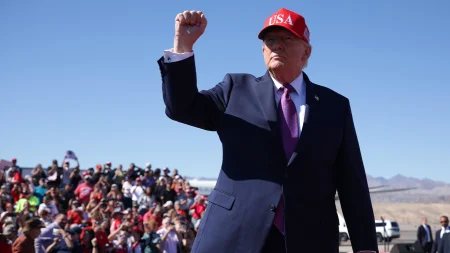
The drama began with a loud, public push from the conservative wing of the Republican party, egged on by former President Donald Trump. The demand was simple: the Senate should cancel its August recess and stay in Washington to hammer away at the SAVE Act, a piece of legislation that would require proof of citizenship to vote in federal elections. The messaging was clear—Republicans should be seen fighting for election integrity, using every available minute to push the narrative. However, the logistical reality of keeping 100 senators in the sweltering D.C. heat for five weeks, with little to actually debate on the floor, proved to be a far more formidable obstacle than the political posturing suggested. The push to stay quickly collided with the institutional desire for a summer break.
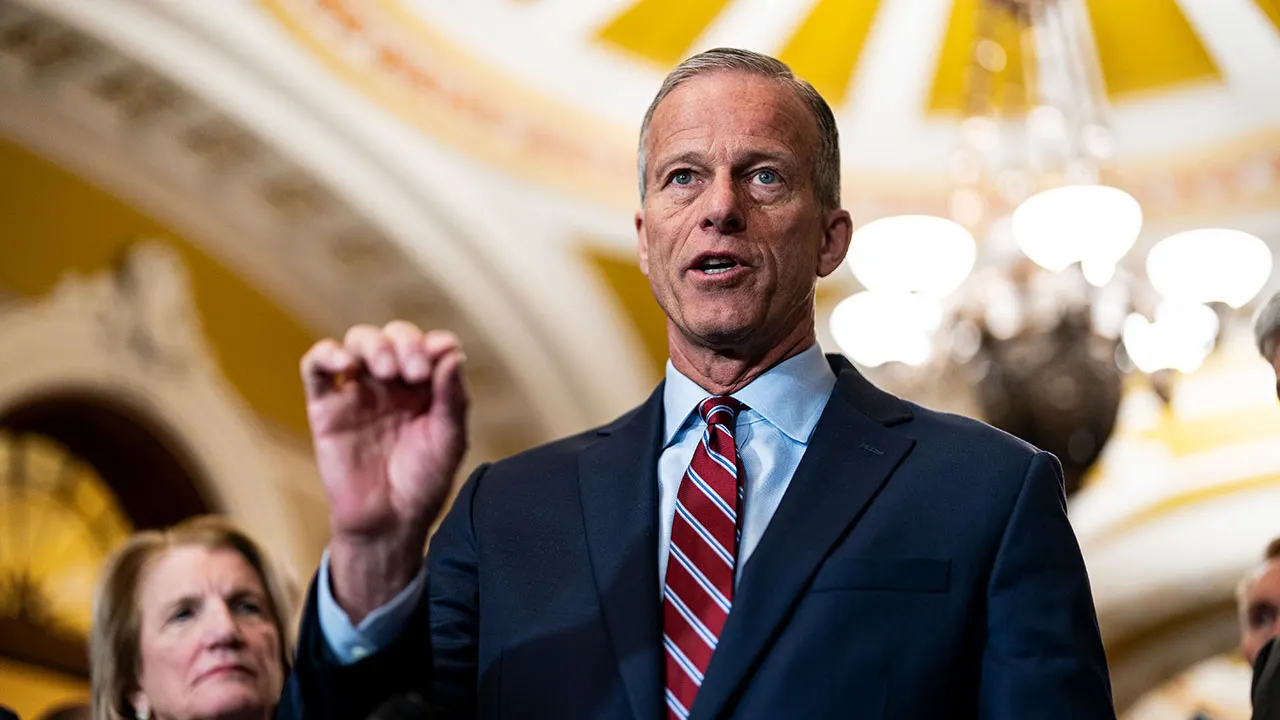
Enter Senate Majority Leader John Thune. Facing pressure from his party’s base to stay and fight, but also managing the practical needs of his conference, Thune engaged in a masterclass of parliamentary maneuvering. Rather than openly defying the President and the vocal conservatives, he worked behind the scenes to build a consensus that satisfied everyone, at least on the surface. In the dead of night, just before the chamber was set to adjourn for the long break, Thune stood on the Senate floor. With the clock ticking past 2 a.m., he used a “unanimous consent” agreement to set the schedule for the next several weeks. This is the Senate’s secret weapon; a single objection from any senator could have ground the entire plan to a halt, forcing a very public and messy fight.
Thune’s plan was a delicate compromise. He scheduled a series of pro forma sessions—the brief gavel-and-go meetings—to keep the Senate technically in touch, satisfying the constitutional requirement. But crucially, he also locked in the fall agenda. The proposal was a carefully constructed package that promised votes on the SAVE Act, confirmation of a new Attorney General, and even legislation regarding cryptocurrency. But here’s where the political genius came in: Thune’s plan ensured that the Senate would return in September to vote on the SAVE Act. This wasn’t a retreat; it was a tactical withdrawal. He gave the conservatives the headline they wanted—a guaranteed future vote—while still allowing the Senate to skip town for the month. The whispers on the Hill were that this was a done deal, a piece of “pre-baked” legislation that had been negotiated long before the cameras were rolling.
The vote on the SAVE Act in September is now a high-stakes exercise in political positioning. For Democrats, it’s an opportunity to paint the Republican party as pushing unnecessary barriers to voting, a move they argue is rooted in a false narrative of widespread voter fraud. For Republicans, it’s a chance to force Democrats into a potentially uncomfortable vote, especially those in swing districts who might feel the heat on election security. The bill is certain to pass the House, but it faces a steeper climb in the Senate. With a slim majority, Republicans will need to win over not just their own conference, but also moderate Democrats, a move that seems unlikely. The “test vote” that Thune scheduled is designed to put every senator on record, creating a clear political battle line just weeks before the midterm elections.
By the time the sun came up on that Saturday morning, the deal was done. The Senate, which had been in a 27-hour marathon session, quietly and unanimously agreed to Thune’s proposal. Not a single senator objected. The firebrands who had demanded a summer of debate were silent, having secured their proverbial “pound of flesh” with a promise of future action. The Senate adjourned, not with a bang, but with a whimper, as exhausted lawmakers filed out of the chamber to catch flights home. The drama that had dominated cable news for weeks evaporated into the humid D.C. air, leaving behind a schedule that pushes the proverbial can down the road.
The significance of this maneuver will be felt for months. Thune’s ability to navigate the treacherous currents of his party demonstrates the immense power of the Senate Majority Leader, but it also reveals the deep fractures within the GOP. While the party is united on policy goals, the tactics and timing are a source of constant tension. The debate over the SAVE Act is far from over; it will reignite in September, altering the political landscape heading into the fall. The Senate may be empty now, but the echoes of that late-night deal will be ringing in the halls of power long after the summer heat fades, proving that even in a body that thrives on tradition and procedure, the quiet negotiations often speak louder than the loudest speeches.