


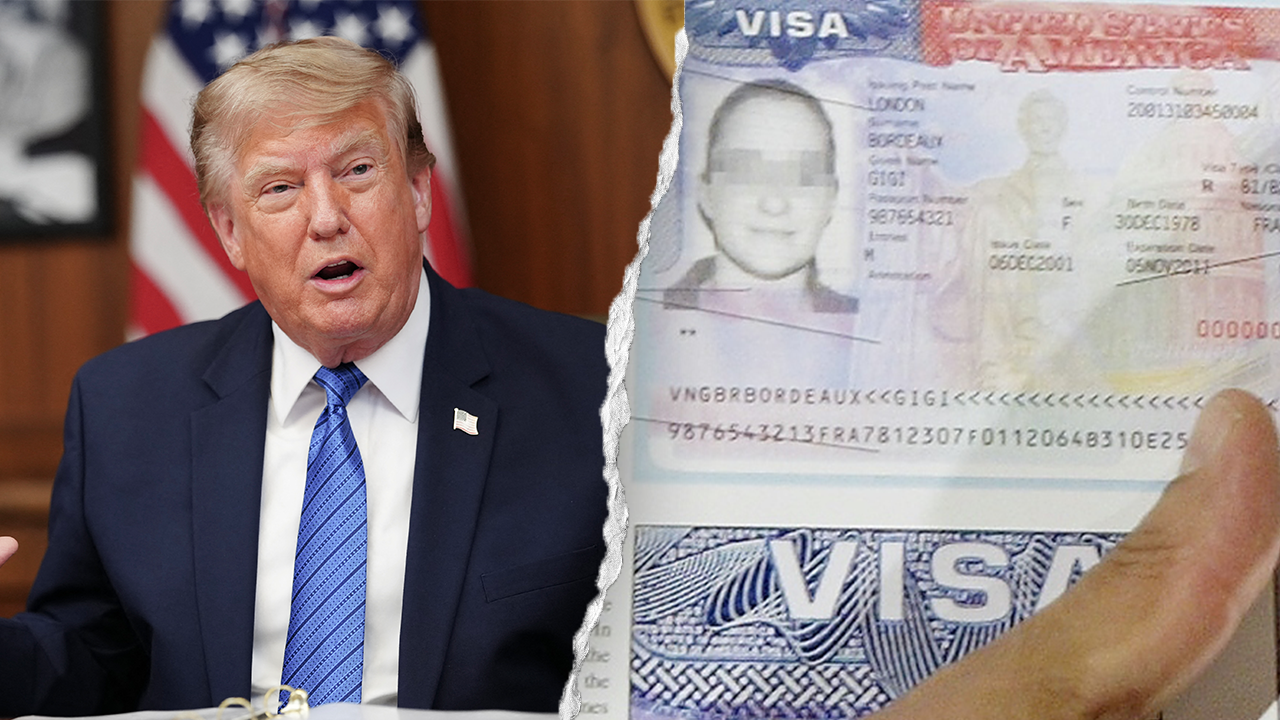
For years, the Northern Mariana Islands have occupied a strange and quiet corner of the American map—a Pacific territory of volcanic peaks, turquoise lagoons, and a complicated history with Chinese visitors. Under a Biden-era arrangement, prescreened Chinese nationals could fly there and stay for up to 14 days without going through the usual visa process. It seemed like a convenient way to boost tourism and economic activity in a place that has long struggled to find its footing. But in the eyes of Republican lawmakers and, now, the Trump administration, that convenience came with a dangerous underside. Homeland Security Secretary Markwayne Mullin has decided to suspend the visa-free travel program, known formally as the Economic Vitality & Security Travel Authorization Program, over worries that it was quietly enabling birth tourism, espionage, and illegal movement toward nearby Guam, where the U.S. military maintains critical assets. The suspension, announced by the Department of Homeland Security, is set to take effect on Oct. 30 at 2 p.m. Eastern time, and it will apply both to new applicants and to travelers who had already been approved under the program. It is a striking reversal of a policy that was meant to be a lifeline for the islands, and it signals just how seriously the administration is taking the broader issue of foreigners exploiting U.S. citizenship laws.
The program in question was created in 2024 and took effect the following year, offering a narrow visa-free window for Chinese nationals to enter the Northern Mariana Islands. Travelers were screened by Customs and Border Protection, but crucially, they did not need to obtain a visa through a U.S. consulate beforehand. That streamlined process was designed to encourage more Chinese tourists to visit the territory without the burden of a full visa application. According to DHS, more than 3,000 Chinese nationals used the program to enter the islands in fiscal year 2025 alone. But the same ease of access that made the program attractive to tourists also made it attractive to people looking to give birth on American soil. The department’s notice specifically warned that visa-exempt travel and reduced vetting could lower the barriers to birth tourism, a practice where someone travels to the United States primarily to deliver a child and secure that child’s American citizenship. That may sound like an abstract policy concern, but in the Northern Mariana Islands it has very concrete consequences. The territory’s medical system is small and already strained, and a wave of births tied to travelers who entered without a visa could place serious pressure on local hospitals and healthcare workers. The DHS notice did not provide a specific number of births linked to the new program, but it made clear that the risk was real enough to justify action.
The political pressure to end the program had been building for months. In April, a group of Republican senators—Mike Lee of Utah, Rick Scott of Florida, John Cornyn of Texas, and Bill Cassidy of Louisiana—sent a letter to Secretary Mullin urging him to shut the program down. They argued that it was not only encouraging birth tourism but also creating vulnerabilities that could be exploited by foreign intelligence operatives. Senator Lee did not hold back in celebrating the eventual decision. In a post on X, he wrote, “America is not a nursery for the CCP to steal citizenship,” using an abbreviation for the Chinese Communist Party, and added, “Thank you, President Trump!” The sentiment was echoed by other conservatives. Representative Chip Roy’s press office put out a statement welcoming the move, noting that Roy and Representative Tom Tiffany, both Republicans, had raised concerns about the program as early as March. For these lawmakers, the program was not just a minor immigration loophole—it was a glaring hole in the nation’s defenses, one that allowed Chinese nationals to bypass normal visa scrutiny and enter a U.S. territory with relative ease. The decision to suspend it was framed as a necessary step in a larger fight to protect American citizenship from being treated as a commodity. Birth tourism has long been a flashpoint in U.S. immigration policy, and this suspension is one of the most concrete actions yet taken by the Trump administration to curtail it in U.S. territories.
Security concerns went far beyond hospital maternity wards. The Northern Mariana Islands sit in a strategically sensitive part of the Pacific, close to military installations that the United States views as essential to its presence in the region. The territory itself is home to Tinian Air Base, an important facility with historical significance dating back to World War II, and it lies not far from Guam, which hosts multiple major U.S. military bases. The DHS notice warned that visa-free travel could be exploited for intelligence gathering near these facilities. Because the program allowed Chinese nationals to enter the territory without a consular vetting process, it created a potential avenue for individuals with malicious intent to get within relatively close proximity to sensitive military infrastructure. The program did not permit visitors to travel onward to Guam or the U.S. mainland, but DHS noted that it was not enough to eliminate the risk. The department pointed to previous cases involving Chinese nationals who had been smuggled by boat from the Northern Mariana Islands to Guam. Those cases involved earlier travel policies or other streamlined arrangements, but they demonstrated a vulnerability that the newer program had not fully closed. In other words, even with restrictions in place, there was a real possibility that visitors could find their way to U.S. military zones. The suspension is intended to close off that avenue, at least until the program can be thoroughly reviewed. DHS said it would evaluate the program together with the secretaries of state and the interior, leaving the door open for a revised version in the future—but only after the security and demographic concerns have been addressed.
For travelers already caught up in the program, the suspension comes with specific rules. Those who are already in the Northern Mariana Islands under the visa-free arrangement will be allowed to finish their authorized stays. But once they leave, they will need a visa for any future visits, unless another lawful exception applies. The DHS notice also made clear that the suspension applies to new applicants and to travelers who had already been approved but had not yet arrived. This creates a sudden and significant shift for anyone who had planned a trip to the islands in the coming weeks. The department’s stated rationale was broad: birth tourism, strain on local medical resources, espionage concerns, and the risk of onward travel to Guam. It is a reminder that even the most remote U.S. territory can be swept up in national security policy. For the Northern Mariana Islands, which have long relied on tourism from China to support their economy, the suspension could have real economic consequences. But the administration appears willing to accept that trade-off in order to address what it considers a greater priority: protecting the integrity of U.S. immigration and citizenship laws. The territory has been described by some observers as a “tropical maternity ward” because of its history with Chinese birth tourism, and the Trump administration is clearly determined to change that reputation.
This latest action is part of a much broader crackdown on birth tourism across the United States. Earlier this year, President Trump signed executive orders targeting birthright citizenship and birth tourism, though the effort has faced legal setbacks in the courts. A State Department task force launched in August has been aggressively reviewing visas tied to suspected birth tourism activity, and by late August it had already revoked more than 750 visas. State Department spokesman Tommy Pigott told Fox News Digital that officials were working with international partners and law enforcement to identify travel patterns that might point to birth tourism networks. He said some networks help visitors conceal the true purpose of their trips and even coach them on how to avoid paying medical bills after delivering their babies. These networks operate in the shadows, often targeting expectant mothers with promises of American citizenship for their children and then leaving hospitals and taxpayers to foot the bill. The Northern Mariana Islands program is separate from the visitor visa process that has been the focus of those revocations, but the suspension of the visa-free travel arrangement sends a clear message: the days of treating U.S. citizenship as a birthright prize are coming to an end, and the administration is willing to act on multiple fronts to stop it. Whether the courts will allow every aspect of that crackdown to stand remains to be seen, but for now, the suspension stands as a decisive move in a long-running battle over who gets to call themselves American—and how easy it should be for outsiders to obtain that privilege through a technicality of birth.