

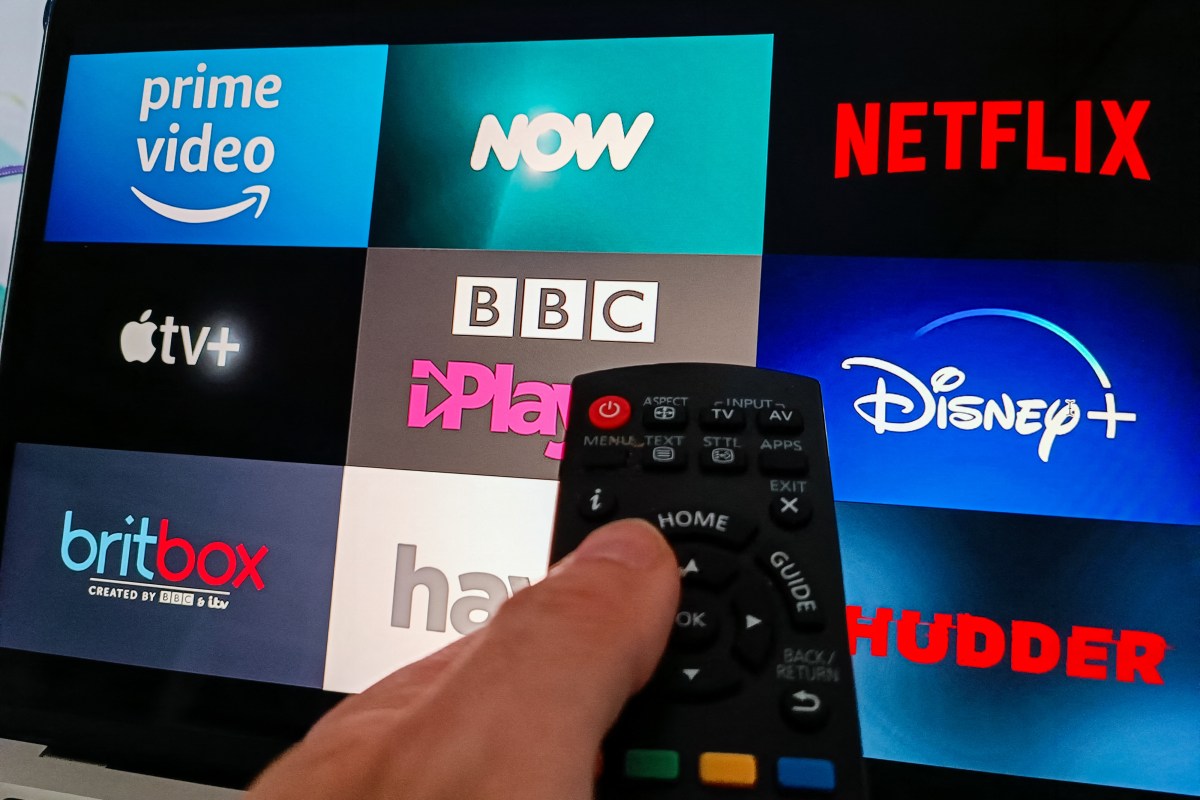
Something important is happening in the way we experience stories. We no longer gather around a single screen at a fixed time; we watch on phones, laptops, televisions, and social feeds, often switching between them in the same sitting. This explosion of platforms has given filmmakers extraordinary reach, but it has also introduced a subtle kind of anxiety. With so many stories available, how do we know what to trust? How do we know whether the person on the screen is speaking from experience, whether the footage has been altered, or whether the images we are seeing ever happened at all? A September 2025 Pew Research Center survey found that 76 percent of Americans believe it is extremely or very important to tell AI-generated images, videos, and text apart from human-made material. Yet 53 percent said they have little or no confidence that they can do so. That gap between concern and confidence is not a footnote; it may define the next era of film. Meanwhile, Nielsen reported that in May 2025, streaming accounted for 44.8 percent of U.S. television viewing, passing broadcast and cable combined for the first time. These two trends—the spread of AI and the shift to streaming—are shaping the future of filmmaking. But they do not necessarily mean cinema is becoming more artificial or less meaningful. They simply make it more urgent for creators to ask what makes a story worth watching at all. The answer, I have learned, is not just in the sharpness of the image or the speed of the edit. It is in the honesty of the encounter between filmmaker and subject, and in the respect shown to the human experience that the camera is privileged to record.
Technology has made it easier than ever to produce and distribute films. With a phone, a person can shoot, edit, and upload a documentary to a global audience in a matter of hours. But no amount of technology can automatically create the trust an audience needs to connect with another person’s experience. That connection begins long before post-production. It begins in the room where a filmmaker meets the person whose story is about to be told. I have spent years making documentaries, and I have learned repeatedly that the quality of a film depends as much on how the story emerges as on how it is presented. The first responsibility is to make hosts and interviewees comfortable enough to speak honestly. Cameras, microphones, and lights are not neutral objects. They can make even the most confident person self-conscious, producing guarded answers or rehearsed statements. An interview that feels like an interrogation may gather information, but it rarely captures the texture of a lived life. I try to reduce the pressures that make people close down. Keep questions short. Choose a setting that reflects the person’s life rather than a sterile studio. Keep the crew out of their eye line. Let the conversation move at its own pace, even if that means silence. This requires accepting unpredictability. An interviewee may answer in a way I did not expect, or pause for a long moment before finding the right words. I learned not to treat those moments as problems. They are often the very moments that make a story worth telling. A hesitation can be more revealing than a well-rehearsed sentence. A stumble can reveal a truth no script could invent. Audiences recognize a real person. They sense when someone is speaking from the heart, and they are more willing to follow a story that contains that kind of presence.
Editing is where a film can come together—or fall apart. It is the stage when hours of raw material must be shaped into something an audience can follow. Every filmmaker makes decisions about what to keep, what to remove, and how to arrange events. But coherence does not mean stripping all of the awkwardness out of human speech. Some of the most powerful moments in documentary film are the silences, the half-finished sentences, the looks of reflection that pass across a face before a memory is named. When a person searches for words, they may be confronting something difficult. If I cut away too quickly, the audience loses the chance to understand what that struggle meant. Retaining those moments gives viewers a deeper sense of the person speaking, rather than simply delivering information as efficiently as possible. The real question is whether the edit serves the story or reshapes it to fit a comfortable shape. Do I allow the experience to remain messy because that is what it was? Or do I smooth it out because it is easier for an audience to absorb? That tension has become more visible as viewing habits change. Streaming platforms, including YouTube, have expanded the ways people discover stories. Audiences can move between a two-hour documentary, a ten-minute analysis, and a one-minute clip without pausing. Filmmakers must think about how to hold attention in a world of endless choices. But shorter does not have to mean shallower. A concise film can still communicate complexity if the creator understands what deserves emphasis and what context is essential. The craft of editing is not about removing all human texture; it is about preserving the parts that make an experience understandable to someone who was not there. Those small, imperfect human moments are not obstacles to a clear narrative. They are the bridge between a subject’s reality and a viewer’s empathy.
As AI-generated content becomes more sophisticated, the line between human-made and machine-made is harder to see. The Pew findings show that audiences are increasingly aware of this line and increasingly unsure whether they can detect it. It would be a mistake to read those numbers as proof that audiences will reject all AI-assisted filmmaking, or that they prefer a particular production method. The numbers simply reveal a deep concern about transparency. People want to know where what they are watching came from. They want the ability to make an informed choice about the media they consume. For filmmakers, this is an opportunity to be more explicit about methods, to label work honestly, and to build trust through openness rather than hide behind technology. But the larger question is not which tools we use. It is which parts of the craft must remain unchanged as technology and distribution evolve. For me, the answer has everything to do with the people on screen. Their experiences should not be reduced to perfectly timed sound bites. Their emotions should not be edited out simply because they interrupt the pace of the film. Their words should not be reshaped to fit a predetermined narrative. If we treat the people we film as raw material for a story, we risk losing the very quality that makes documentary valuable: the chance to understand how another person sees the world. That understanding requires more than technical proficiency. It requires patience to wait for a person to find their voice. It requires judgment to know when a moment is meaningful even if it is imperfect. And it requires respect for the dignity of the person who has chosen to share their experience with us. In the rush to embrace new tools, we cannot forget that an algorithm does not feel someone’s pain. A language model does not know what it is like to live a specific life. Only human beings can convey that, and only human beings can receive it with compassion.
The power of film, at its best, is its ability to bring one person’s experience close to another. A documentary can take a viewer into a world they could never otherwise enter and let them see it through eyes that are not their own. This is why the choices filmmakers make matter. Every decision—about who to interview, how to frame a shot, what to leave on the cutting room floor, and how to adapt the story for a new platform—is ultimately a decision about how much of another person’s reality we are willing to honor. Technology may make production faster and distribution wider, but it cannot supply the core ingredient of a meaningful film: the trust between the maker and the subject. That trust is earned in small ways. It is earned when a director takes the time to sit with an interviewee before the camera is turned on. It is earned when an editor chooses to preserve a shaky voice because the emotion underneath it is real. It is earned when the people we film come to believe that we are not there to exploit them, but to listen. As the industry accelerates, creators must make deliberate choices about how they use new technologies, how they edit personal experiences, and how they adapt stories for changing formats. They should prioritize transparency, not only about AI, but about their intentions. They should preserve the humanity of the people they film, even when a clean edit would be easier and a polished phrase would fit better. And they should resist the temptation to sacrifice nuance for speed, attention, or popularity. A story that is quick to consume is not necessarily easy to forget. The stories that stay with us are often the ones that ask us to slow down and think. They invite us to sit with discomfort, to appreciate complexity, and to feel connected to someone else’s life. When filmmakers approach their work this way, they create something that resonates beyond the screen—something worth carrying into the world after the credits roll.
The challenge for the film industry, then, is not simply to keep up with innovation. It is to embrace innovation without losing sight of the responsibility we owe to every person who appears on screen. We can use new camera technologies, editing tools, and distribution platforms to tell stories more vividly than ever before. But those tools should serve the story, not the other way around. If we allow convenience to override empathy, or efficiency to override honesty, we will betray the very thing that makes documentary unique. Audiences are not just looking for content; they are looking for connection. They want to know that the people they see on screen are real, that their struggles are not manufactured, and that the filmmakers behind the camera treated them with fairness. In an age of deepfakes, algorithmically generated scripts, and endless remixes, authenticity is not just a nice ideal. It is a form of respect. It is a promise that what is being shown to the audience is grounded in the actual experience of another human being. I believe filmmakers who protect that balance—who use every tool at their disposal but refuse to flatten the complexity of human life—will be best positioned to earn audience trust, not just capture audience attention. That trust is the foundation of any lasting relationship between a film and its viewers. It is what makes a stranger’s story feel like our own. And it is what will keep documentary film relevant, no matter how many platforms, formats, and technologies appear in the years to come. My name is Scott Galloway. I am a filmmaker and the founder of Susie Films, a production company based in Charlotte, North Carolina, where I work every day to keep those values at the center of the stories we tell. The views I have shared here are my own, but I hope they speak to a broader truth about the kind of filmmaking we should all be striving toward: humble in front of the camera, honest in the edit room, and mindful of the enormous responsibility that comes with telling someone else’s story.