



Paragraph 1: The Morning After the Heartbreak
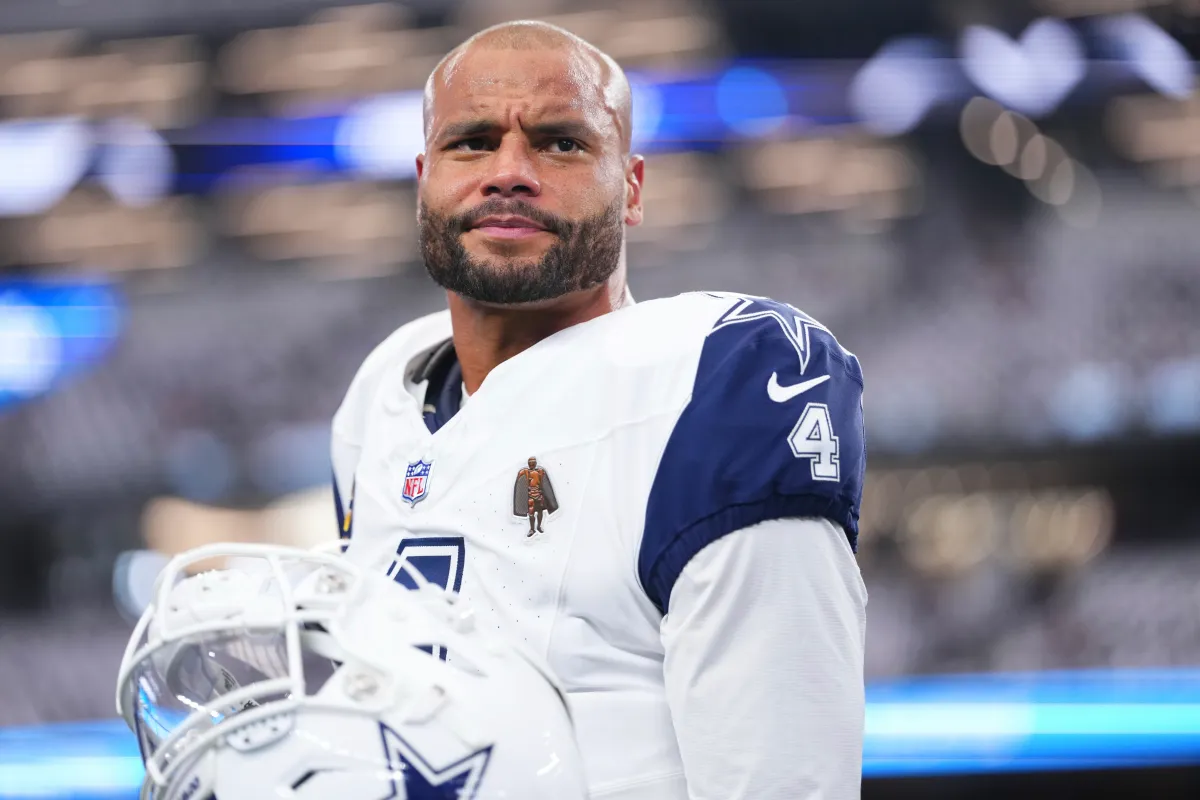
The air was thick with the kind of despair that only a Dallas Cowboys fan can truly understand. It was the morning after a gut-wrenching, 34-31 loss to the Baltimore Ravens in the exotic backdrop of Brazil, and the team had just stumbled to a 1-2 start. The season was already teetering on the edge of a cliff, and the national media, as always, was ready to pile on. On ESPN’s First Take, the debate machine was churning, with Stephen A. Smith at the helm, his voice rising with theatrical indignation. He was laying out a familiar narrative: if the Cowboys fail to meet expectations, the offense—and by extension, quarterback Dak Prescott—must bear the brunt of the blame. But sitting across from him was Mina Kimes, an analyst known for her razor-sharp logic and her refusal to accept empty narratives. She listened, her brow furrowed, and it was clear she was about to dismantle this argument with the precision of a surgeon. The human element here is the gaslighting that fans experience when the loudest voices in the room ignore the glaring reality on the field. It’s the frustration of watching a team score 31 points and still lose, only to be told the problem is the guy throwing the touchdowns. Kimes wasn’t just debating stats; she was defending the sanity of anyone who actually watched the game, and she was about to expose a fundamental flaw in how we assign blame in the NFL.
Paragraph 2: The Math That Isn’t Mathing
Kimes’ counter-argument was not just a rebuttal; it was a brutal dose of reality. She pointed out the absurd mathematical disparity: the Cowboys boast a top-10 offense, while their defense is statistically the worst in the league, sitting at 30th in EPA/play and 32nd in success rate. They are allowing a staggering 387 yards and 27.3 points per game—numbers that would make a high school coach weep. “I just want to make sure I’m following this correctly,” Kimes said, her tone dripping with incredulity. “The Cowboys have a top-10 offense, bottom-three defense. And if they don’t succeed, we’re blaming the offense? The math ain’t mathing here.” This is the human struggle of cognitive dissonance. Imagine working a double shift at a restaurant, cooking perfect meals, only to have the customers complain because the building is on fire. You did your job flawlessly, yet you’re being blamed for the structural failure. That is the position Dak Prescott finds himself in. The offense is moving the ball, putting up points, and keeping the team competitive. Yet, the narrative machine focuses on the quarterback’s contract, his playoff record, and his perceived inability to win the big one, completely ignoring that the defense is a sieve that lets every lead slip through its fingers. The emotional weight of this situation is immense; it’s the feeling of being punished for the sins of others, of watching your hard work be erased by incompetence on the other side of the ball, and then being told you didn’t do enough.
Paragraph 3: The Double Standard for Joe Burrow
The most potent part of Kimes’ argument, however, was her exposure of a glaring double standard. She turned to Stephen A. and reminded him of his treatment of Cincinnati Bengals quarterback Joe Burrow. When the Bengals stumble, Smith is quick to absolve Burrow of any blame, pointing to the anemic defense that consistently fails him. “I have seen you with my own two eyes and ears make the opposite case for Joe Burrow. ‘Oh, that awful defense in Cincinnati is the reason why Joseph Burrow isn’t in the playoffs and making Super Bowl runs. I feel this is a double standard for this quarterback (Prescott) compared to others who are saddled with awful defenses,” Kimes declared. This is the heart of the human bias in sports media. We romanticize certain athletes. Burrow is the cool, unflappable gunslinger who wears designer suits and has an underdog story. We grant him grace and empathy. Prescott, on the other hand, plays for “America’s Team,” carries a massive cap hit, and has been the subject of relentless scrutiny since he was drafted. The media, and by extension the public, has decided that Burrow is a victim of his circumstances, while Prescott is the architect of his own failures. This isn’t about football; it’s about the psychology of perception, where the same set of facts can be twisted to fit a pre-existing narrative about a player’s character and worth. It’s a reminder that our judgments are often clouded by the stories we tell ourselves, and that the quarterback position is less about actual performance and more about the mythology we build around it.
Paragraph 4: The Microcosm of the Baltimore Loss
Let’s zoom in on that heartbreaking loss in Brazil. The Cowboys’ offense put up 31 points against a formidable Ravens defense. In today’s NFL, scoring 31 points should almost guarantee a victory. But the defense, led by a coordinator who seems to have lost the plot, couldn’t stop Lamar Jackson and company, surrendering 34 points. The game was a microcosm of the entire season: the offense fights, claws, and scores, only for the defense to give it all back on the next drive. The human instinct in moments of failure is to find a scapegoat, and in Dallas, the scapegoat is always the quarterback. It’s easier to blame the man with the $60 million contract than to admit that the defensive line can’t generate pressure, the secondary can’t cover, and the tackling is atrocious. Kimes framed this perfectly, noting that if the Cowboys falter, the blame is “so obviously” going to be the defense. It’s the emotional weight of watching the same movie over and over again—knowing the ending, feeling the dread, and yet being told by the critics that the protagonist is the problem. The fans feel this acutely; they see the offense drive down the field, score a touchdown, and then watch in horror as the defense immediately allows a long, soul-crushing drive that ends in a score of their own. It’s a cycle of hope and despair, and the frustration is compounded when the national conversation refuses to acknowledge the obvious culprit.
Paragraph 5: A Plea for Accountability and the Burden on Dak
Kimes’ declaration was a plea for accountability, a demand that we look at the evidence rather than the headlines. “If this team doesn’t make the playoffs, they don’t make a run, I don’t think anyone on earth is going to suspect anything other than the defense,” she stated, leaving no room for ambiguity. This is a profound human truth: we often punish the most visible figure rather than the actual root cause. Dak Prescott is the face of the franchise, so he absorbs the criticism. But the data is undeniable. The defense is 32nd in success rate, 30th in EPA/play. They are historically bad. To blame Prescott for this is to ignore the very fabric of the game. It’s like blaming the pilot for a crash when the engine exploded mid-flight. The human burden on Prescott is immense—he is fighting not only the opposing team but also the ghosts of Cowboys past, the pressure of the star on his helmet, and the constant noise from the media. Kimes is essentially saying, “Let the man breathe.” He is doing his part, and to demand more from him while the defense gives up 27 points a game is not just analytically flawed; it’s emotionally exhausting for the player and the fans who see the truth. It’s the exhaustion of carrying a team on your back, only to have the coach and the talking heads point at you when the ship sinks, ignoring the gaping hole in the hull.
Paragraph 6: Looking Ahead to Houston and the Human Truth of Fandom
As the Cowboys prepare to face the Houston Texans this Sunday, the pressure cooker is set to maximum. C.J. Stroud and the Texans’ offense will undoubtedly test this dreadful Dallas defense. The question isn’t whether Dak Prescott can score—he has proven he can. The question is whether the defense can stop anyone. This entire debate between Kimes and Smith highlights a larger, more human truth about how we consume sports. We are drawn to simple, dramatic narratives—the hero quarterback, the tragic failure. But the reality is complex, messy, and filled with mitigating factors. Kimes’ pushback is a reminder that we must look beyond the box score of the quarterback and examine the entire team. The Cowboys’ defense is a glaring hole, and pretending otherwise is a disservice to the players on offense who are giving their all. The human experience of being a fan is often about searching for meaning in chaos, and the easiest meaning is to blame the guy throwing the ball. But as Kimes so eloquently pointed out, the math doesn’t lie. If the Cowboys miss the playoffs, the defense will be the reason—and no amount of shouting on a debate show can change that reality. The only thing left to do is watch, hope, and pray that the defense finally shows up, because Dak Prescott has done enough, and the burden should no longer be his to carry alone. In the end, this isn’t just a debate about football; it’s a reflection of our own tendencies to project blame unfairly, and a call to see the full picture before we judge.