





Under the warm, golden glow of a Northern California summer evening, the air at Levi’s Stadium in Santa Clara was thick with an intoxicating blend of anticipation and nervous energy as the United States Men’s National Team took the pitch for their crucial Round of 32 clash. This was not just another game; it was a defining moment for a generation carrying the dreams of a passionate soccer nation under the monumental pressure of a home World Cup in 2026. From the opening whistle, the tactical blueprint laid out by manager Mauricio Pochettino was clear: dominate the tempo, suffocating Bosnia and Herzegovina with relentless energy and aggressive pressing discipline. The crowd, a sprawling, vibrant sea of red, white, and blue, roared with every tackle, sensing that greatness was within reach on this fateful and historic Wednesday night of July 1, 2026. As the first half drew to a close, a sense of anxious urgency began to creep into the stands as the powerhouse American side struggled to turn their overwhelming possession into a tangible advantage. But in the 45th minute, just before the halftime whistle could offer the Bosnian defense a momentary reprieve, the stadium erupted into pure, unadulterated ecstasy. Folarin Balogun, the breakout star striker of this USMNT squad, found himself on the receiving end of a beautifully threaded pass. Striking the ball with precision and deep composure, he buried it deep into the back of the net to break the deadlock and send the Santa Clara crowd into a frenzy. In a moment of pure brilliance, Balogun celebrated by striking LeBron James’ legendary “Silencer” pose, hitting his chest and pushing his hands down to let the world know he had arrived on the grandest stage.
However, as any seasoned soccer enthusiast knows, the beautiful game is rarely a straightforward script of uninterrupted triumph, and the second half of this high-stakes encounter would test the very soul of this American team. Under the calm and calculated guidance of Pochettino, the U.S. had comfortably controlled the narrative of the match, dealing with Bosnia’s sporadic counterattacks with ease and displaying a tactical maturity that many pundits had previously doubted. But in the momentous 64th minute, the atmosphere in the stadium shifted in an instant from celebratory comfort to sheer, cold dread as the referee made a decision that sent shockwaves through the sporting world. In a sequence of play that left fans and players alike completely stunned, Folarin Balogun was shown a direct red card, a devastating blow that not only ejected the young superstar from the match but also immediately disqualified him from participating in the upcoming Round of 16. It was a heart-wrenching, tragic twist of fate; the very man who had just catalyzed the nation’s joy with his brilliant first-half goal was now forced to walk the lonely, agonizing path down the tunnel, leaving his teammates to battle the remaining half-hour of play with only ten men on the pitch. The tactical chess match had suddenly transformed into an intense war of attrition, demanding that this young American squad find a level of psychological grit, defensive discipline, and collective willpower that they had perhaps never been forced to summon before on the international stage. Facing an emboldened, desperate Bosnian side eager to capitalize on their numerical superiority, the remaining ten American players had to dig deeper than ever before into their physical and emotional reserves. They threw their bodies in front of shots, tracked back with frantic, breathless intensity, and weathered a storm of mounting pressure that threatened to undo their dreams of advancing further.
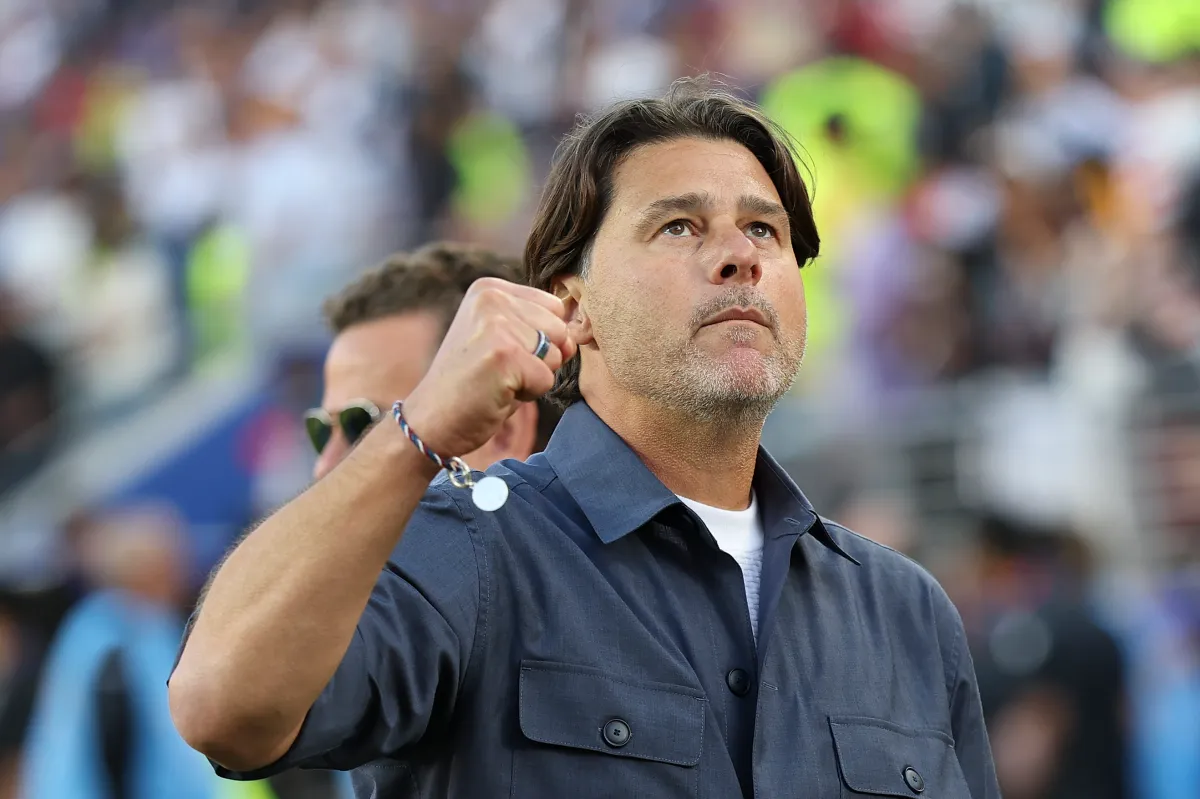
Just as the tension in the stadium reached a fever pitch, with the clock ticking down and the physical toll of playing a man down visibly wearing on the Americans, a savior emerged in the 82nd minute to deliver a moment of legendary status. Standing over a free kick in a dangerous position, Malik Tillman took a deep breath, blocking out the deafening noise and pressure resting on his shoulders. With a stroke of pure genius, Tillman unleashed an absolute golazo of a free kick, curling the ball with breathtaking trajectory past the outstretched arms of the Bosnian goalkeeper and directly into the upper corner of the goal. The stadium did not just cheer; it shook to its foundations as the collective exhale of millions of fans transformed into a roaring wave of celebration, knowing that this 2-0 lead had finally given the ten-man U.S. squad the precious breathing room they so desperately needed to secure the victory. When the final whistle blew, sealing a historic victory and marking the first time the USMNT had won a World Cup knockout match since 2002, the emotional dam broke completely. As the iconic strains of John Denver’s nostalgic classic “Take Me Home, Country Roads” began to blare over the stadium’s public address system, the crowd sang along in unison, creating a deeply human, transcendent moment of shared American sporting pride. On the touchline, Mauricio Pochettino was swept up in the magic of the evening, emotionally singing along before being pulled aside for a post-game interview. Speaking with FOX reporter Jenny Taft, with tears of pride visible in his eyes, Pochettino verbalized his undying, revolutionary belief in this group by looking directly into the camera and posing the defiant question that would capture the hearts of soccer fans across the country: “Why not us?”
To truly understand the weight of this historic victory, one must look at the profound transformation that Mauricio Pochettino has brought to this team, not just tactically, but on a deeply human and spiritual level. When Pochettino took the reins of the USMNT, he was tasked with uniting a group of highly talented individual players who had often struggled under the immense weight of expectation, frequently looking disjointed or overcome by tactical anxiety during the sport’s biggest moments. In his post-match comments, the manager poured his heart out, expressing an overwhelming sense of pride that extended far beyond the tactical victory on the pitch, emphasizing how much his players, the tireless backroom coaching staff, and the legendary American supporters deserved this beautiful, agonizing, and ultimately triumphant experience. He spoke of the sheer joy of living through such an intense, emotional journey together, illustrating his unique ability to connect with his squad not merely as chess pieces on a board, but as young men fighting for their country’s sporting soul. By instilling a psychological resilience that allowed them to survive the sudden loss of their star striker and push through thirty minutes of shorthanded play, Pochettino has infused this team with a rare, defiant belief that they can stand toe-to-toe with any footballing nation on earth. His simple yet evocative query of “Why not us?” was not just a post-game airtime soundbite; it was a profound rallying cry designed to shatter the historical inferiority complex that has plagued American soccer for generations, declaring to the world that this squad is no longer content with just being happy to participate, but is actively chasing global glory on home soil. He has successfully humanized a team that once felt sterile and overburdened, turning them into a passionate, unified family that proudly plays with its collective heart on its sleeve, fighting for greatness.
This monumental victory comes at a watershed moment for the sport of soccer, occurring during the very first cycle of the newly expanded men’s World Cup, which saw the tournament balloon from its traditional 32-team format to a massive, highly competitive 48-nation spectacle. While this expansion has allowed more countries to taste the majesty of the World Cup, it has also elongated the path to glory, meaning that while this victory over Bosnia is technically the USMNT’s first knockout-stage win since their legendary run in 2002, they have still not officially advanced past the Round of 16. For over two decades, the Round of 16 has served as an insurmountable barrier for American soccer, a glass ceiling that has repeatedly shattered the hopes of past generations of players who were desperate to return to the quarterfinals of the world’s most prestigious tournament. The historical significance of this drought cannot be overstated; since that magical summer in 2002 when a young, fearless U.S. squad shocked the world, the Americans have repeatedly faltered in the first knockout stage, leaving fans to wonder if they would ever recapture that historic high. Therefore, while the celebration in Santa Clara was undeniably deserved and will be remembered for years to come, there is an acute, underlying awareness among the players and coaching staff that their ultimate destination has not yet been reached. The expanded format means that the path is longer, the physical demands are greater, and the margin for error is smaller than ever before, turning this victory into a necessary stepping stone rather than the final destination. The true test of this team’s character and their place in American soccer history will be determined by whether they can parlay this hard-fought momentum into breaking through that elusive Round of 16 barrier that has defined their modern era.
If this deeply resilient USMNT squad is to finally shatter that historical glass ceiling and book their ticket to the elusive quarterfinals, they will have to do so by overcoming a formidable, star-studded Belgium team without the services of their suspended star striker, Folarin Balogun. The upcoming clash, scheduled to take place in the loud and rainy soccer haven of Seattle on Monday, July 6, carries enormous emotional weight, as it represents a highly anticipated rematch of their legendary 2014 World Cup Round of 16 battle in Brazil. That fateful night in Salvador remains etched in the minds of American soccer fans as a beautifully tragic epic, where an incredible, heroic 16-save performance by goalkeeper Tim Howard was ultimately not enough to prevent Belgium from breaking American hearts in a grueling extra-time defeat. Now, twelve years later, history has presented this new generation of Americans with a poetic opportunity for redemption, but they must face this ultimate challenge without their most potent attacking weapon in Balogun, forcing Pochettino to once again dig deep into his tactical reserve and rely on the collective strength of his roster. The absence of their star striker will undoubtedly make them the underdogs in the eyes of many international observers, but as they head to the Pacific Northwest, they carry with them the spirit of Santa Clara, the stunning brilliance of Tillman’s free kick, and the unwavering, emotional belief sparked by their manager. Surrounded by the passionate, deafening support of the Seattle faithful, this team will look to prove that they are no longer haunted by the ghosts of 2014, but are instead ready to write a glorious new chapter in American soccer history, fueled by a simple, powerful question that continues to echo across the nation: why not us?