





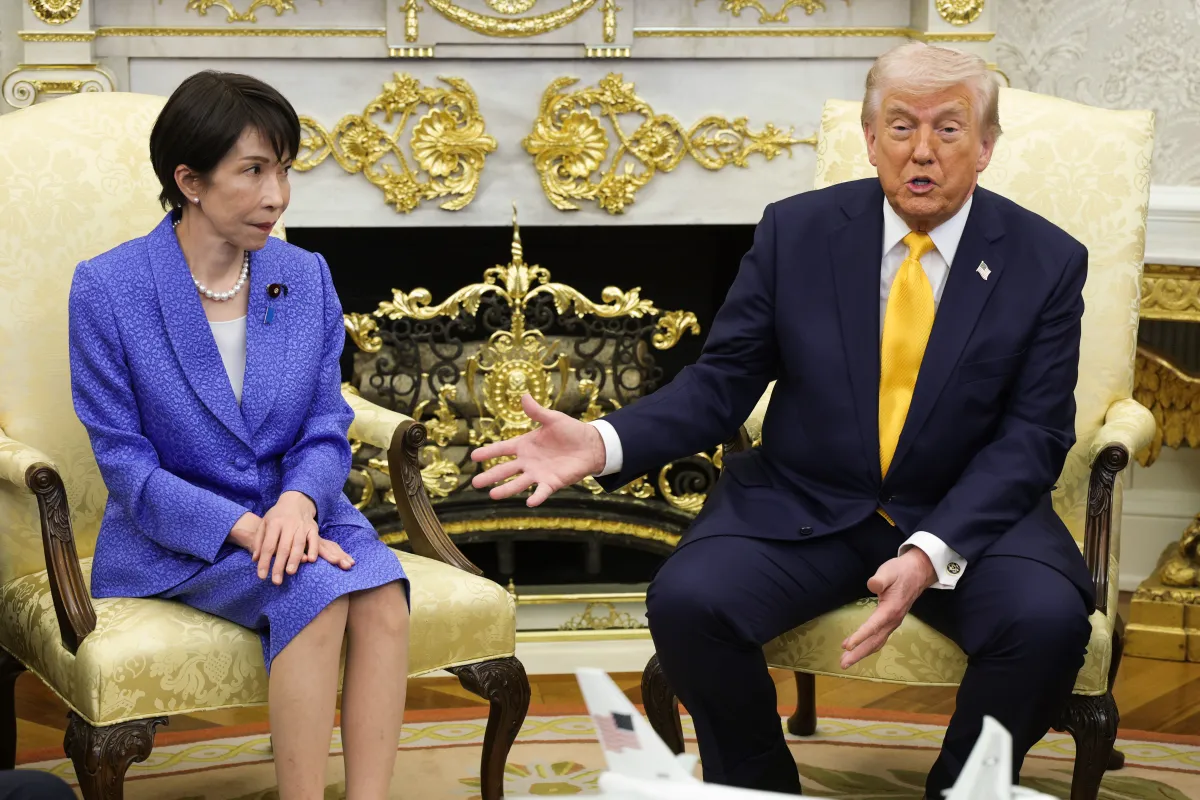
Imagine waking up one crisp, unassuming morning in Tokyo last month, only to discover that your country—Japan, the land once draped in the ironclad armor of pacifism—had just flipped the script on 80 years of tradition. Picture Prime Minister Sanae Takaichi, a fiery leader with a vision as sharp as Mount Fuji, declaring from the podium that Japan was ditching its old limits on arms exports. Gone were the days of shipping only nonlethal gear; now, lethal weaponry like missiles, warships, and jets could flow to allies. This wasn’t a slow drift—it was a one-day revolution, a bold step into the geopolitical arena where power plays out like a high-stakes chess match. Takaichi’s move earned her something rare: a nod of respect from across the Pacific, where President Donald Trump, the unfiltered dealmaker, saw a kindred spirit ready to pay up for security. In a world where China’s shadow looms large, aggressive and unyielding, Japan was no longer just a diplomatic whisperer. It was gearing up to roar, proving that even a nation scarred by wars could reinvent itself for the confrontations of the 21st century.
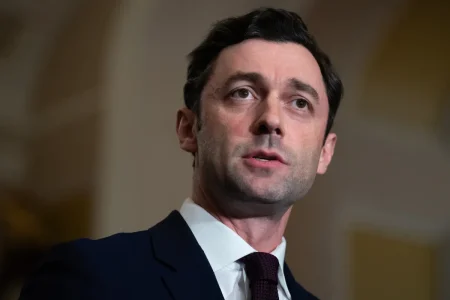
Diving deeper into this transformation, it’s like watching a long-sleeping dragon awaken. For decades, post-World War II, Japan’s self-imposed veil of pacifism—born from the ashes of Hiroshima and Nagasaki—kept it from selling anything deadlier than a helmet or a jeep. But as China flexed its muscles, encroaching on neighbors’ waters and rattling sabers over Taiwan, leaders like Shinzo Abe, Takaichi’s mentor, pushed for change. Abe faced fierce pushback, with protests echoing through the halls of power, but his vision of a Japan that matched its diplomatic clout with military teeth started the momentum. Now, under Takaichi, with a supermajority in the House backing her, the brakes are off. New rules let the National Security Council approve sales case by case, but only to “friendly states”—think partners who share values, not just anyone with a checkbook. Defense Minister Shinjiro Koizumi, a charismatic force in this tango, is practically rubbing his hands together. He’s already slashed a path through bureaucracy, hiking the defense budget from 1 to 2 percent of GDP—a 60 percent leap over four years. Imagine this as Japan building a modern fortress: offshore missiles for counterstrikes, just in case, but never for aggression. It’s protective, not predatory, a shield against the bullies next door. Koizumi’s role is pivotal; he’s the architect turning abstract reforms into tangible power, ensuring Japan isn’t caught napping in a region where alliances matter more than ever.
As this unfolds, consider the broader tapestry: Japan’s pivot isn’t lonely—it’s woven into a grander alliance web championed by the U.S. During his first term, President Trump embraced Japan’s “Free and Open Indo-Pacific” vision, a heartfelt call for free trade, navigation, sovereignty, and quality infrastructure—qualities China often tramples underfoot. Think of it as a lighthouse in stormy seas, where 60 percent of global trade—billion-dollar supply chains—flows, and U.S. investments hover at a trillion dollars. In Washington, the latest security strategies from December and January don’t mince words: the Indo-Pacific is prime real estate for geopolitics. Japan isn’t just arming up; it’s reinforcing the U.S.-led framework, tying knots with allies like Australia and the Philippines. Australia’s recent $7 billion frigate deal with Japan, inked last month, is a poster child—a pact for 11 upgraded Mogami-class vessels from Mitsubishi Heavy Industries, which will bolster their navy and reassure Washington that the team has bite. Defence ministers Koizumi and Richard Marles beamed as they celebrated, talking interoperability like seasoned teammates. It’s a signal that echoes: allies aren’t passengers; they’re drivers in this quagmire. Even China’s over-the-top outrage at Japan’s “rearming” reveals the truth—Japan’s moves are about balance, deterrence, and responding to aggression, not domination. As one observer put it, Japan is simply equipping itself to stand firm against unlawful coercion, much like a homeowner installing locks against burglars.
Zoom in on Japan’s geography, and you see why this matters. With its string of islands spanning the Pacific, Japan acts as a natural cap on China’s continental ambitions, hosting U.S. forces and controlling chokepoints like straits. Allocate billions for standoff missiles, and it’s clear: these are for defensive counterattacks only, never invasions. In a crunch, with the U.S. military leading, Japan would be the linchpin for defending allies like Taiwan or the Philippines—indispensable, like the anchor in a stormy voyage. China’s provocations are relentless: their navy prowling allies’ waters, pressuring Taiwan without ruling out force, aligning with rogue states like North Korea and Russia. This isn’t paranoia; it’s pattern recognition. Yet, Japan’s response is measured, a narrative of resilience over revenge. It’s humanizing change: from a nation burying weapons in the 20th century to one forging tools for peace through strength. Defense spending soars in response—$6.5 billion earmarked for those missiles alone—reflecting a populace awakening to threats, much like a family fortifying their home as storms approach, blending tradition with pragmatism.
Now, cue the drums of diplomacy. As U.S. allies rally around the Indo-Pacific, Japan’s reforms (and deals like the Aussie frigates) arrive perfectly timed for Trump’s scheduled Beijing jaunt in May. Critics in Washington might call it a “humble pie” moment, but Trump’s base—patriotic, no-nonsense—would never stomach kowtowing to China. Instead, these talks are vital for navigating hotspots like Iran, trade disputes, and the gold rush for critical minerals. But underpinning it all is steel: no craven deals. China, with its revisionist playbook, seeks to rewrite the Indo-Pacific rules, arm-in-arm with despots. They’ve bullied Vietnam, Indonesia, the Philippines—examples piling up like unread mail. Yet, goodwill flourishes elsewhere. Joint U.S.-Japan exercises, like IF26 in the southwest islands, showcase seamless teamwork with allies like South Korea, France, and the UK, building trust layer by layer. The ongoing Balikatan 2026 with the Philippines is icing on the cake, a multinational drill signaling unity. Through it all, Japan’s leaders, informed every step, know Trump’s Beijing trip aims for agreements where possible—on issues like minerals or even nuclear-armed North Korea—while cementing principles on Taiwan and China’s broader bullying. The Indo-Pacific is too big to lose: its trade lifeline and security blanket for global interests couldn’t simply fade away.
In wrapping this tale, Derek Grossman, a seasoned professor of political science and international relations at the University of Southern California, brings a grounded perspective. His insights remind us that the U.S.-Japan alliance isn’t just history; it’s the bedrock of Western strength in the East, unbreakable and ever more vital. Grossman emphasizes that Japan, far from a lone wolf, is the cornerstone for deterrence and response in a volatile region. As Trump heads to China, skipping Tokyo might seem odd, but the alliance’s roots run deep—hotlines buzzing, strategies syncing. This human story of transformation isn’t about weapons clashing; it’s about nations awakening, forging paths to peace through preparedness. Alliances like these, Grossman argues, uphold sovereignty and freedom, rebuking aggression without fanfare. From Abe’s whispers to Takaichi’s thunder, Japan’s evolution feels like a family maturing: shedding old fears for computed courage. In this high-wire act of geopolitics, where alliances are lifelines and reforms are shields, Japan isn’t dominating—it’s defending, ensuring that in the shadow of giants like China, smaller voices still echo loudly. Enduring traditions mix with modern needs, crafting a narrative of hope: a world where dialogue and defense dance in harmony.