






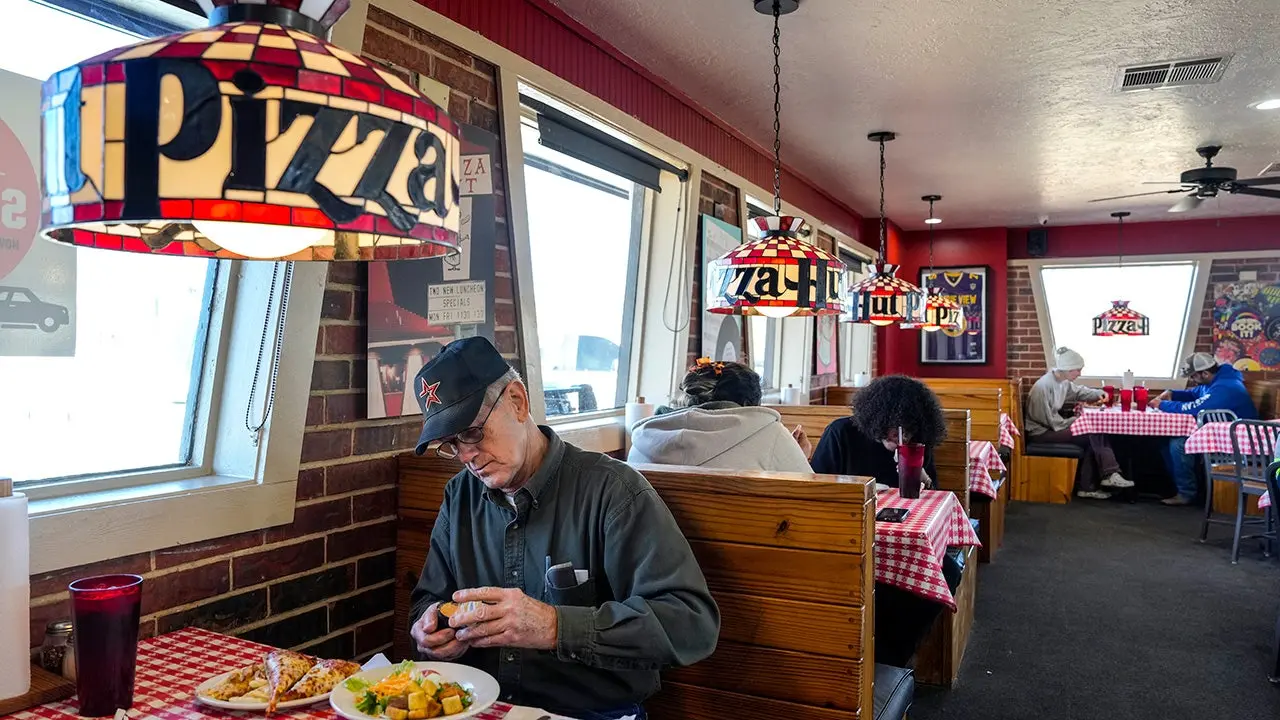
In an era dominated by sleek, minimalist fast-casual spaces and digitized touch-screen ordering, there is a growing, collective yearning for the sensory comforts of the past. Recognizing this powerful wave of nostalgia, some Pizza Hut franchises are actively rewinding the clock, reviving the iconic red-roof design, Tiffany-style stained-glass lamps, and classic red-and-white checkered tablecloths that defined suburban dining for generations. This return to retro aesthetics is more than just a marketing gimmick; it is an acknowledgment of the emotional safety net that vintage dining experiences offer to consumers weary of cold, transactional modern interfaces. The pull of yesteryear is further underscored by the bittersweet decline of once-mighty burger giants that formerly dominated the American landscape. These massive, sprawling casual chains, which once boasted interactive toppings bars and high-energy dining rooms where families gathered every Friday night, have quietly faded into obscurity, turning into rare sights that evoke a profound sense of loss for the communities they once anchored.
The changing tides of American dining are not just affecting fast food joints, but are also reshaping the institutions of casual seafood. This shifting reality was felt deeply with the recent, permanent closure of the longest-operating Red Lobster restaurant, which shuttered its doors after several decades of serving as a local cornerstone for family milestones, graduation dinners, and countless plates of Cheddar Bay Biscuits. The loss of such an iconic establishment highlights the broader challenges facing the casual dining sector, even as our relationship with the ocean’s bounty undergoes its own complex evolution. This culinary transition is mirrored by the ongoing, vigorous debate among nutritionists and environmental scientists regarding the merits of farm-raised fish. While aquaculture has long suffered from a tarnished reputation fueled by concerns over pollution and crowded conditions, modern experts are increasingly stepping up to defend the industry, arguing that sustainable farming practices have vastly improved, offering a reliable, eco-friendly way to feed a growing global population without further depleting our fragile wild marine ecosystems.
With the arrival of warmer weather, the focus of food enthusiasts naturally shifts to backyard gatherings, where even the simplest culinary traditions can ignite passionate debates. Chef Paul Wahlberg, the culinary mastermind behind the successful Wahlburgers franchise, has stepped forward to demystify the art of the backyard burger, offering straightforward, non-negotiable rules designed to elevate the home-grilling experience from mediocre to magnificent. Wahlberg emphasizes that the secret lies not in gourmet, over-complicated toppings, but in mastering basic techniques, such as selecting the perfect fat-to-lean meat ratio, avoiding the urge to aggressively press down on the patty with a spatula—which robs the meat of its juices—and allowing the cooked burger to rest before serving. At the same time, lifestyle icon Martha Stewart has stirred up her own culinary storm on social media with a deceptively simple, six-ingredient potato salad recipe. The recipe has drawn surprisingly intense reactions from home cooks everywhere, proving that when it comes to beloved, traditional comfort foods, everyone has an opinion, and even minor alterations to a classic formula can trigger deeply personal debates about how heritage dishes should be prepared.
While summer cooking brings people together, the day-to-day realities of the service industry often highlight the growing friction in consumer-staff dynamics, a phenomenon perfectly captured in a viral video detailing a bizarre dispute at a Domino’s franchise. The confrontation, which quickly captured the internet’s attention, unfolded when a group of customers demanded a full refund for their meal, despite the fact that they had already completely finished eating every single slice of the pizza. This incident serves as a striking, albeit extreme, reflection of how the traditional philosophy of “the customer is always right” has been warped in the age of social media, where minor grievances are frequently amplified for public entertainment. Service workers are increasingly forced to navigate these high-tension, highly public boundary disputes on camera, shedding light on the immense emotional labor required to maintain professional composure when basic standards of mutual respect and logical fairness break down at the counter.
Amidst these modern cultural skirmishes, a growing movement of health-conscious individuals is looking backward—not just by decades, but by millennia—by adopting a Bible-based diet to navigate the complexities of modern wellness. Advocates of these ancient dietary principles, which often mirror the clean eating habits outlined in historical and spiritual texts such as the Book of Daniel, report that focusing on unprocessed, whole foods grown directly from the earth is delivering remarkable, modern-day physical results. By shunning heavily processed, chemical-laden contemporary convenience foods in favor of ancient grains, legumes, fresh fruits, vegetables, and clean meats, followers claim to experience improved digestion, sustainable weight loss, and heightened mental clarity. This holistic approach to nutrition suggests that in our frantic search for the next breakthrough wellness trend, the most effective answers to modern chronic health challenges might actually lie in the ancient, time-tested wisdom of our ancestors.
Finally, as summer social calendars fill up, questions of modern hospitality and etiquette are taking center stage, particularly regarding the delicate social norms of wedding receptions. Etiquette experts have weighed in decisively on the increasingly common, yet controversial, practice of wedding hosts asking their guests to tip bartenders at open bars. According to seasoned professionals, expecting guests who have traveled and purchased gifts to pull out their wallets, cash, or credit cards to tip service staff at a formal, hosted celebration constitutes exceptionally bad form. Instead, the burden of ensuring that event staff are generously compensated for their hard work rests squarely on the shoulders of the hosts. Navigating these subtle boundaries with grace, generosity, and clear communication is essential to creating a welcoming atmosphere where guests can celebrate freely without administrative or financial awkwardness, ensuring that the spirit of hospitality remains intact throughout the summer wedding season.