






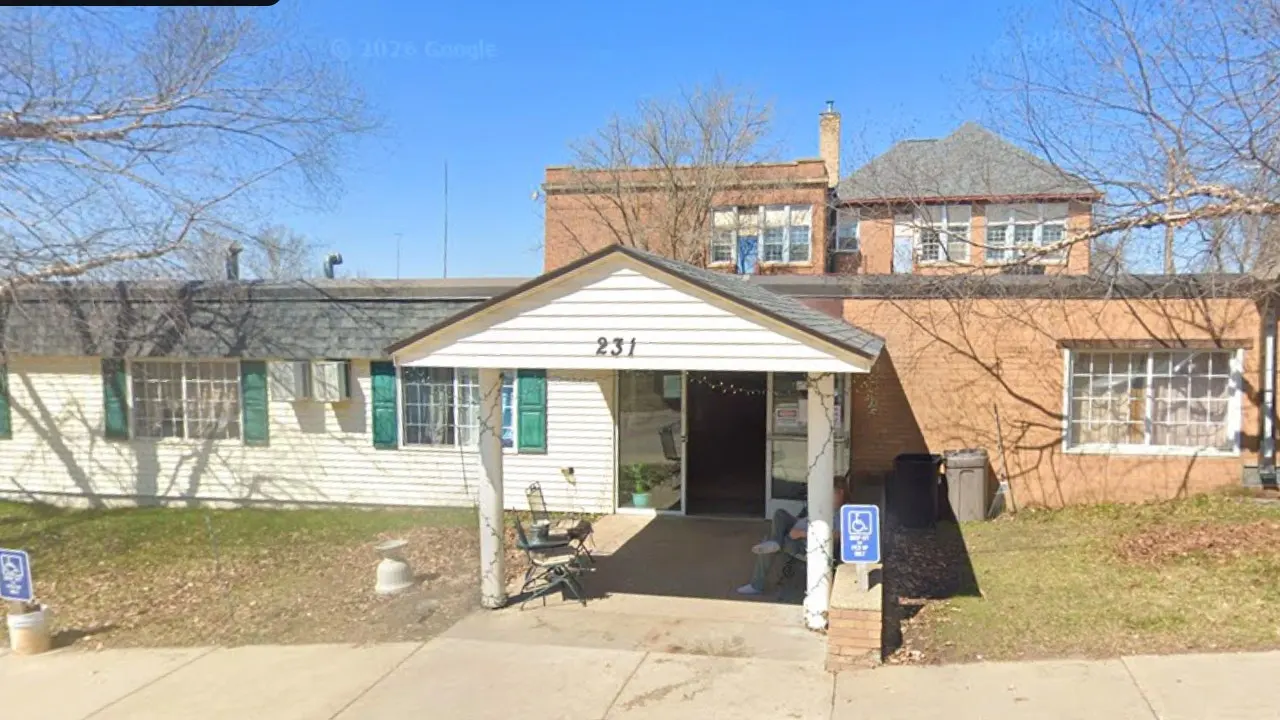
Don Brambrink’s life was defined by a quiet, exhausting battle that lasted for over four decades. For forty years, Don lived with a relentless barrage of auditory hallucinations—voices in his head that never truly fell silent, constantly disrupting his peace and fracturing his reality. Before finding a home at the Covered Bridge Assisted Living facility in Holdingford, Minnesota, Don had experienced the brutal hardships of homelessness, a transient existence compounded by a history of methamphetamine use and severe, daily alcohol abuse. For someone like Don, alcohol was not a social pastime or a simple vice; it was a desperate, self-prescribed medication used to temporarily drown out the agonizing mental noise that haunted his everyday existence. When he was finally taken in by Covered Bridge, it seemed like a reprieve from the cold streets, offering him a roof over his head and a team of caregivers. However, the tragic intersection of his severe mental illness, profound addiction, and the facility’s controversial care methods would soon spark an intense state investigation, bringing to light the delicate and often blurred boundary between compassionate harm reduction and systemic neglect.
The crisis erupted into the public eye following a routine medical assessment that went horribly wrong. State investigators from the Minnesota Department of Health launched an inquiry after Don missed a critical, scheduled telehealth appointment with his primary care physician. The reason for his absence was deeply alarming: Don had spent the preceding hours fishing and drinking heavily, eventually rendering him what the facility’s registered nurse described as “dead to the world.” A closer look at the facility’s logs revealed a staggering timeline of alcohol administration in the twenty-four hours leading up to his medical appointment. Staff members had served Don two shots of liquor at 6:54 p.m., two more at 8:00 p.m., and another two at 9:20 p.m. the night before. The next morning, the pattern escalated aggressively: he was given two shots at 3:55 a.m., a beer at 5:00 a.m., two shots at 5:55 a.m., two shots at 8:15 a.m., two shots at 9:15 a.m., two shots at 10:55 a.m., and a final two shots at 12:30 p.m. In total, the facility handed a highly vulnerable, mentally ill man eighteen shots of liquor and a beer in a single day, an astronomical amount of alcohol that pushed his body to its absolute limits.
Upon realizing the gravity of Don’s heavily intoxicated state, his primary care physician’s office requested that staff check his vital signs, only to discover a frightening scene. The registered nurse found Don collapsed on the floor, admitted he “didn’t feel right,” and immediately arranged for his emergency transport to a local hospital. At the emergency room, clinical tests revealed that Don’s blood alcohol concentration had soared to a staggering 0.23 percent—nearly three times the legal driving limit of 0.08 percent. Recognizing the severe danger of acute alcohol poisoning and the subsequent threat of life-threatening withdrawal, hospital staff urgently recommended keeping him overnight for supervised medical detoxification. Yet, in a heartbreaking testament to the power of addiction, Don vehemently refused the treatment, telling the doctors that he would rather discharge himself and go home so he could continue drinking. This agonizing moment laid bare the cyclical tragedy of Don’s daily life, where the fear of the terrifying physical withdrawal symptoms and the return of the voices in his head far outweighed his instinct for physical survival.
At the heart of the state’s neglect finding was a highly unusual, typed-out “alcohol plan” that Covered Bridge had customized specifically for Don. This protocol formalized his drinking habits, permitting staff to administer two shots of hard liquor every hour to assist him in quieting his auditory hallucinations. From a clinical perspective, the state Department of Health viewed this structured feeding of his addiction as a catastrophic failure of care, arguing that facilitating such extreme consumption constituted severe neglect of a vulnerable adult. Yet, this tragedy highlights a deeply polarizing debate within the healthcare and social work communities regarding the ethics of harm reduction. Traditional medical models demand strict sobriety and intervention, but in real-world scenarios involving chronic, lifelong addicts who have failed multiple rehabilitation attempts, some practitioners believe that managed consumption is the only realistic way to prevent dangerous withdrawal seizures and keep patients off the streets. The line between helping a resident manage an incurable disease and actively accelerating their physical decline remains one of the most agonizing ethical dilemmas in modern long-term care.
Trista Barstow, the owner of Covered Bridge Assisted Living, stepped forward to fiercely defend her facility’s actions and the philosophical framework behind Don’s treatment plan. In an interview, Barstow acknowledged that while spacing out drinks for an extreme alcoholic “sounds insane” to the general public, it represents a necessary and compassionate step-up for individuals who are otherwise entirely rejected by the traditional healthcare system. She emphasized that Covered Bridge is one of the very few facilities willing to accept residents battling such severe, combined mental health and addiction crises. Standing firmly behind her staff, Barstow pointed to the Minnesota Resident Bill of Rights, which legally protects the autonomy of competent adults to make their own personal lifestyle choices, even when those choices are self-destructive. From her perspective, the facility’s duty was not to impose forced sobriety or act as a prison, but rather to honor Don’s rights, educate him on the health risks, monitor his stability, and step in with emergency services only when his physical safety was immediately compromised.
Ultimately, Don’s harrowing experience serves as a stark, painful reminder of the systemic gaps that exist for the most marginalized members of our society. It forces us to confront a difficult question: what does true sanctuary look like for a person who has spent forty years tormented by voices and trapped in the grip of severe substance abuse? While the state’s finding of neglect highlights the undeniable physical dangers of administering eighteen shots of liquor to an elderly, vulnerable resident, the facility’s defense exposes the grim reality of a system that often has no constructive answers for chronic addiction. Without specialized, well-funded programs that integrate psychiatric care, housing, and compassionate addiction recovery, vulnerable individuals like Don are left caught in the crossfire of regulatory standards and raw survival. His story is not just a legal dispute over administrative compliance, but a deeply human tragedy about the struggle to find dignity, comfort, and safety in a world that frequently struggles to understand or accommodate the complexities of severe mental illness.