





During the unsettling dawn of the COVID-19 pandemic in early 2020, the collective consciousness of the world shifted dramatically toward physical vulnerability, but for me, this global health crisis became a deeply personal, terrifying confrontation with my own mortality. It all began innocuously with a wave of profound, bone-deep fatigue that seemed to settle permanently into my limbs, prompting me to seek routine bloodwork as a basic precaution rather than out of any immediate sense of panic. When those initial laboratory results returned with nothing conspicuously abnormal, save for a gentle, offhand suggestion that my exhaustion was likely the lingering aftereffect of a recent, undetected case of mononucleosis, I tried to accept this explanation and move on with my locked-down life. Yet, as the months rolled by and the world remained shuttered, my physical state degenerated in ways that felt increasingly urgent and terrifying, manifesting as a severe, relentless shortness of breath that stripped away my physical independence. Suddenly, tasks as unremarkable as climbing a single flight of stairs in my home left me gasping for air, desperately needing to sit down on the floor to recover from what felt like a grueling physical marathon. When I reached out to my primary care physicians to voice my growing alarm, my symptoms were repeatedly dismissed under the convenient, catch-all diagnoses of pandemic-induced anxiety, post-mononucleosis fatigue, or the mysterious specter of long COVID. I was patronizingly instructed to simply wait another three months to see if my condition improved before they would even consider referring me to a specialist, a frustrating directive that left me feeling utterly abandoned, writing my symptoms off to a fragile mind rather than a failing body, all while I silently grew much sicker inside my home.
As the calendar turned to 2021 and some of the strictest lockdown restrictions finally began to ease, my mother and I planned what we hoped would be a healing girls’ weekend to Miami, chasing the promise of warm sunshine and a much-needed mental pause from our mounting anxieties. However, just before we departed our home state of New Jersey, an agonizing, razor-sharp sore throat took hold of me, prompting a rushed visit to my doctor who quickly swabbed me for strep throat, assuming it was nothing more than a common, localized infection that a quick course of medicine would solve. By the time our plane touched down in Florida, the pain in my throat had mutated into an unbearable, suffocating agony, and a follow-up call to my doctor confirmed the positive strep diagnosis, leading to an immediate prescription for antibiotics that I desperately hoped would bring relief. Instead of resolving, my health deteriorated from zero to a hundred with terrifying velocity over the next forty-eight hours, transforming our sunny beach retreat into a living nightmare as a vibrant, angry rash erupted across my skin, broken blood vessels burst across the delicate surface of my face, and the lymph nodes in my neck swelled to the alarming size of golf balls. Confined to our hotel bed, weeping in sheer desperation because the swelling was so severe I could no longer swallow even my own saliva, I begged for help; yet, even when I sought emergency medical care in Miami, a nurse practitioner casually dismissed this catastrophic systemic collapse as a simple, dramatic case of mononucleosis, handed me a packet of steroids, and discharged me back into the humid Florida heat.
The thin illusion of safety finally shattered completely as I prepared to board my flight back to New Jersey, suddenly struck down by a blinding, paralyzing back pain that was so excruciating I do not know how I found the strength to walk through the airport terminal, let alone survive the flight home. The next morning, waking up in my own bed with my vision failing and a profound, intuitive gut feeling that my life was slipping away, I begged my mother to drive me to a local urgent care clinic, still foolishly trying to convince myself that I was merely being dramatic and that the parade of doctors who had dismissed me must surely know best. The moment I stumbled through the doors of the clinic, the receptionist took one look at my pale, ghost-like appearance and immediately directed me to the nearest emergency department, where medical staff scrambled to perform comprehensive blood assays and prepare me for a CT scan to investigate a suspected kidney infection. As I was being wheeled down the hallway toward the imaging suite, a doctor literally ran down the corridor to stop the gurney, clutching the preliminary results of my blood panel with a look of sheer gravity that halted time itself. He explained that my white blood cell count was catastrophically high, while my oxygen-carrying red blood cells were virtually non-existent; without needing any further tests, he delivered the devastating, unbelievable verdict that I was suffering from advanced leukemia. I was, as the medical team bluntly put it, a ticking time bomb walking on the precipice of a fatal cardiac arrest, with perhaps only a week or two left to live had I not ignored my doubts and sought emergency care that transitionary afternoon.
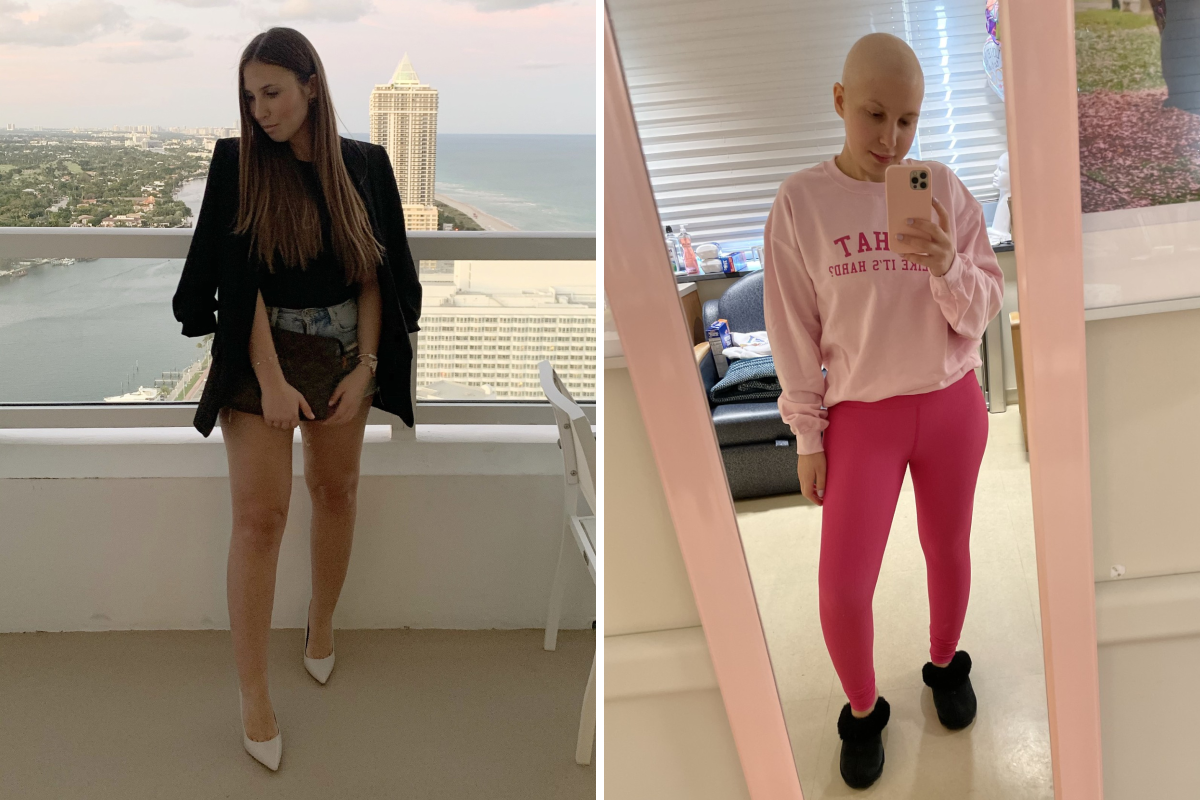
At just twenty-five years old, a time when my peers were beginning their careers, traveling, and falling in love, my world was abruptly confined to a sterile oncology ward where I would spend the next 118 consecutive days fighting for my survival without once stepping foot outside. My family, devastated but fiercely protective, instituted a strict rule forbidding me from searching my condition online, creating a protective bubble of relative ignorance that allowed me to compartmentalize the terror of my diagnosis while the medical team initiated a punishing protocol of continuous, twenty-four-hour chemotherapy drips for a solid week. The initial hope of transitioning to outpatient care was brutally crushed when my decimated bone marrow failed to regenerate healthy blood cells, forcing us to face the reality that the first grueling round of chemotherapy had failed to eradicate the cancer. To survive, I required an immediate bone marrow transplant, a high-stakes procedure that could only be executed once my body was completely cleared of malignant cells, prompting a relentless sequence of intensive salvage chemotherapy and two devastating rounds of full-body radiation that stripped away my physical humanity. The cruel isolation of the pandemic era meant that hospital visitation was strictly restricted to a single designated person; my extraordinary mother selflessly resigned from her employment, relocated to New York City, and sat by my bedside every single day, while my friends and extended family bridged the physical chasm by video-calling me during meals so I would never have to eat alone in the dark.
When the day finally arrived for me to be discharged from the hospital, the triumph of survival was deeply complicated by the harsh reality of my shattered physical state, as I crossed the threshold into the outside world carrying an utterly depleted immune system, a daily regimen of sixty pharmaceutical pills, and physical atrophy so extreme that walking for more than five minutes felt like an insurmountable mountain. Prior to my cancer diagnosis, I had been an active, vibrant young woman who took immense pride in my physical fitness, yet my medical team gently but firmly cautioned me that my body had been too profoundly damaged by chemotherapy and radiation to ever return to its former strength or capabilities. Refusing to let their expert prognoses define the limits of my existence, I committed myself to a painstaking, daily ritual of physical rehabilitation, celebrating minuscule victories like walking to the end of the driveway or lifting light weights, slowly piecing my broken frame back together one agonizing day at a time. Through sheer willpower and a carefully curated holistic lifestyle, I did not just recover; I completely redefined what my body was capable of achieving, eventually surpassing my pre-cancer fitness levels to become the healthiest, strongest, and most resilient version of myself that has ever existed. Even more miraculous was my triumph over the heartbreaking medical prediction that the harsh cancer treatments had rendered me permanently sterile; today, I am happily married to the love of my life and joyfully carrying my very first biological child, a living testament to the human body’s capacity to heal when fueled by stubborn hope.
Now thirty years old and working as a certified holistic health coach, I share my journey on social media to empower others to listen to the quiet, persistent whispers of their own bodies and to remind them that doctors, while incredibly skilled and vital, are ultimately human and not infallible deities. My impending five-year milestone of continuous cancer remission is not just a statistical victory, but a profound philosophical realization that we must never allow a grim diagnosis to become an absolute, uncontested death sentence. Had I accepted the early medical assertions that my symptoms were merely the manifestations of stress, post-viral fatigue, or a dramatic imagination, I would not be here today to experience the simple, beautiful joy of preparing a nursery for my unborn baby. The enduring lesson of my 118-day battle and my subsequent rebirth is that when you refuse to surrender your mental fortitude, your physical body will rise to join you in that sacred, defiant fight for existence. If you can cultivate an unwavering belief in your own capacity to heal and advocate fiercely for your own well-being, you can shatter the boundaries of what science deems impossible and reclaim a life that is more beautiful, vibrant, and filled with purpose than you ever dared to dream.