






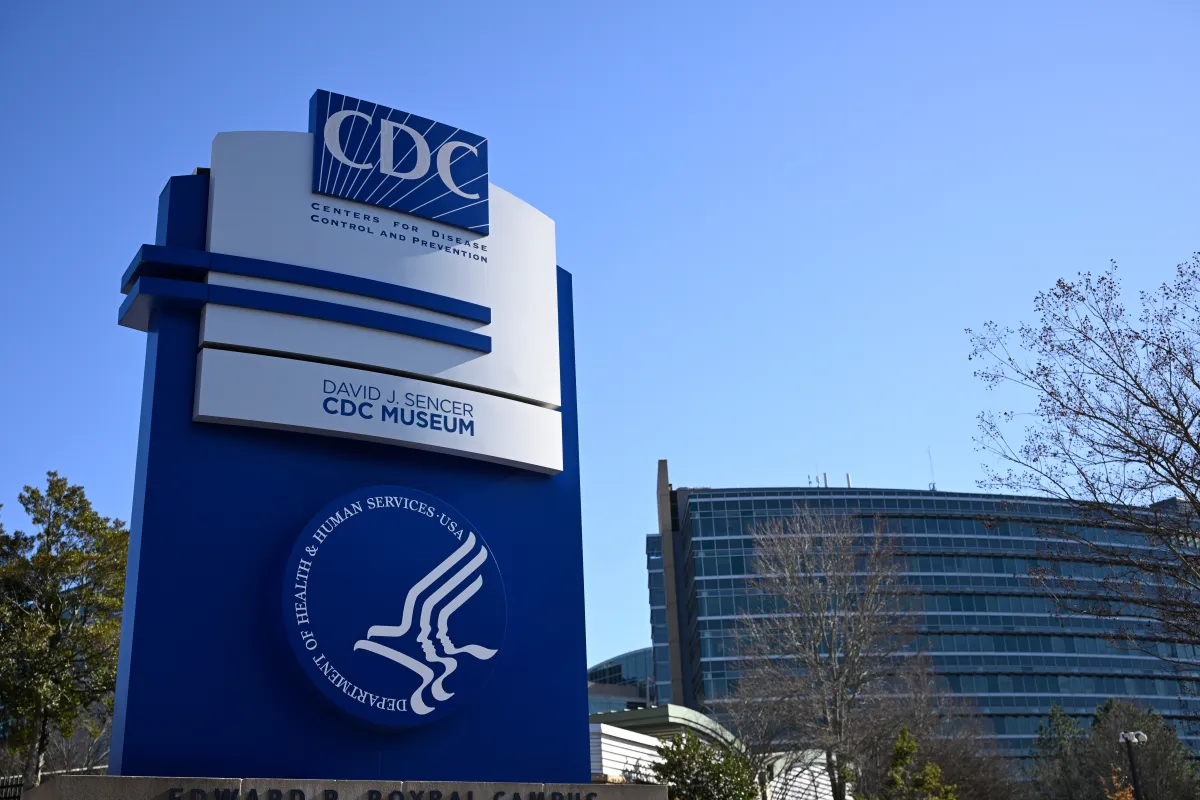
A quiet but deeply concerning health crisis is unfolding across the United States as hundreds of people grapple with a grueling intestinal illness. Health officials at both federal and local levels are racing to contain a multi-state surge of cyclosporiasis, an infection triggered by a microscopic parasite known as Cyclospora cayetanensis. This tiny pathogen is notorious for causing severe, exhausting gastrointestinal distress. While the Centers for Disease Control and Prevention (CDC) initially confirmed 145 cases and 20 hospitalizations nationwide between May 1 and June 16, local data paints a much more alarming picture. The actual number of infections is climbing rapidly, with at least 18 states now reporting cases, proving that this outbreak is far more widespread than early federal estimates suggested.
At the heart of this medical mystery is Michigan, which has suddenly become the nation’s primary hotspot. The Michigan Department of Health and Human Services (MDHHS) recently announced that it is battling a “large and growing outbreak” of unprecedented scale. As of mid-June, the state had already identified over 300 cases—a staggering figure considering Michigan typically records only about 50 cases of cyclosporiasis in an entire year. The outbreak is heavily concentrated in Southeast and Southern Michigan, with Monroe County bearing the brunt of the infections. Other hard-hit areas include Lenawee, Washtenaw, Wayne, Livingston, Shiawassee, and Jackson counties, alongside the city of Detroit, leaving local clinical teams working overtime to diagnose and treat suffering residents.
The human toll of this parasitic infection is incredibly disruptive and physically draining. Unlike typical stomach bugs that pass in a day or two, cyclosporiasis symptoms can take up to two weeks to appear and often mimic a severe, relentless flu. Those infected suffer from painful abdominal cramps, persistent nausea, extreme fatigue, and bouts of watery, sometimes explosive diarrhea that can last for weeks if untreated. While healthy adults usually recover on their own, vulnerable populations like older adults and those with compromised immune systems face a high risk of dehydration and prolonged illness. Fortunately, the infection is not contagious from person to person; it can only be contracted by consuming food or water contaminated with microscopic traces of infected feces.
As patients seek relief, medical providers are relying on a targeted antibiotic regimen of trimethoprim-sulfamethoxazole, widely known by brand names like Bactrim, Septra, or Cotrim, to clear the parasite. Alongside medication, public health officials are stressing the critical importance of rest and aggressive hydration to combat the debilitating effects of fluid loss. Meanwhile, the geographic footprint of the outbreak continues to expand well beyond Michigan’s borders. New York has tracked over 107 cases since early May, while Illinois and Texas are also reporting high concentrations of the illness. Other states finding cases within their borders include Alaska, Colorado, Connecticut, Florida, Georgia, Louisiana, Massachusetts, New Jersey, North Carolina, Ohio, Pennsylvania, Tennessee, Virginia, and Wisconsin.
What makes this outbreak particularly challenging for investigators is the lack of a single, obvious point of origin. The CDC reported that none of the individuals who fell ill in the early waves of the outbreak had traveled internationally in the weeks leading up to their symptoms, meaning the source is domestic and likely sitting on grocery store shelves or restaurant plates. Because there is currently no evidence linking all national cases to a single distributor, investigators believe multiple regional clusters may be happening at the same time. Historically, Cyclospora outbreaks have been traced back to imported fresh produce, with past culprits including fresh raspberries, basil, snow peas, mesclun lettuce, and cilantro.
To solve this puzzle and protect the public, the CDC is working hand-in-hand with the U.S. Food and Drug Administration (FDA) and state agricultural departments. In Michigan, the Department of Agriculture and Rural Development (MDARD) is actively tracing supply chains to identify which farms or distributors might be responsible. In the meantime, food safety experts are urging everyday consumers to take extra precautions in their own kitchens. Families are advised to wash their hands thoroughly before and after handling food, and to meticulously rinse all fresh produce under running water before eating. While these simple hygiene practices are always important, they have currently become vital lines of defense as scientists work to locate and eliminate the source of this invisible threat.