






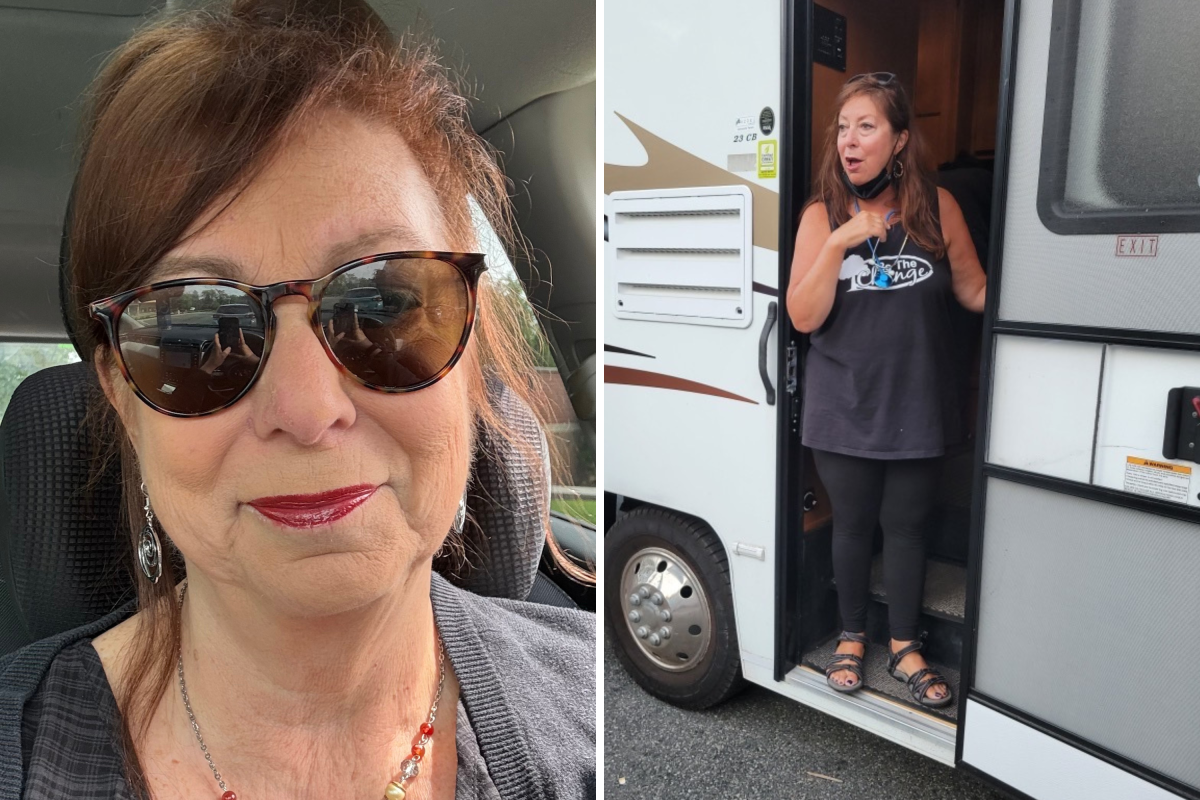
Norma Bowe has spent her entire professional life guided by a deeply held belief that healthcare is a fundamental human right, one that should never be stripped away by circumstance, legal status, or geography. As an associate professor of public health at Kean University and a dedicated nurse clinician, she has committed herself to educating the next generation of healers while actively practicing what she preaches on the frontlines of community health. Through the Reformed Church of Highland Park, Bowe operates a mobile health clinic that she affectionately calls her “compassion lab.” This clinic serves as a traveling sanctuary of basic medicine and human decency, rolling up to the gates of detention facilities like Newark’s Delaney Hall to offer free blood pressure checks, diabetes screenings, basic first aid, and critical mental health support to families awaiting news of their detoured loved ones. For Bowe, this work was never about political protest; it was about human connection, sparked initially by the heartbreaking detention of her own student’s husband. She quickly realized that the families keeping vigil outside the facility were enduring immense physical and emotional stress, and she resolved to stand in the gap, treating every individual who approached her mobile unit with the profound dignity and respect they inherently deserved as human beings.
The atmosphere outside Delaney Hall on May 25, 2024, was heavy with the palpable tension of a community in crisis. Inside the detention facility, detainees had initiated desperate hunger and labor strikes to protest subpar medical care, inadequate food, and harsh living conditions, drawing a crowd of anxious family members and passionate advocates to the perimeter. Bowe’s mobile clinic had been specifically requested to provide additional medical and emotional support during the holiday weekend to help manage the fallout of this escalating distress. Earlier that morning, Bowe had already comforted and medically assessed two young children who were hyperventilating, struggling to breathe under the crushing weight of grief after being barred from visiting their father inside. The air was thick with anxiety, but Bowe remained focused on her duty as a caregiver, operating under the assumption that the bright red stethoscope draped around her neck would serve as a universal symbol of peace, neutrality, and medical aid. When a frantic voice cut through the noise at around 1:00 p.m., alerting her to an injured person near one of the secondary gates, Bowe did not hesitate, stepping forward into the crowd to fulfill her nursing oath.
What met her at the gate was not a clinical emergency she could easily resolve, but a scene of absolute chaos and state-sanctioned violence that would change her life forever. As Bowe approached, she witnessed a young female demonstrator being aggressively dragged across the pavement by law enforcement officials, her clothes being pulled completely off her upper body as she screamed desperately for help. Driven by her instinct to protect and heal, Bowe stepped closer to offer assistance, but before she could speak or intervene, she was violently ambushed from behind. Without warning or verbal command directed at her, a masked Immigration and Customs Enforcement (ICE) agent grabbed the back of her shirt, while a second agent lunged from her right side. Together, the two officers used such immense, disproportionate physical force that they launched the nurse into the air, throwing her body forward onto the concrete walkway. In those terrifying, weightless seconds before she struck the ground face-first, Bowe’s mind flashed to Alex Pretti, a healthcare worker who met a tragic end in Minneapolis while trying to aid someone on the ground. She landed with a sickening thud, her head slamming violently against the sidewalk, her knee absorbing the brutal impact of the fall, and her hands left scraped and bloodied from her instinctive, failed attempt to break her momentum.
In the immediate, disorienting aftermath of the violent fall, Bowe sat on the hard concrete, her head spinning as she desperately scanned her surroundings to ensure the agents were not returning to inflict further harm. While compassionate members of the public rushed to her side to offer comfort and assistance, the federal agents and police officers who had initiated and witnessed the assault stood by, offering no medical aid, no comfort, and no recognition of the physical trauma they had just caused. Limping and in severe pain, Bowe managed to retreat to her mobile clinic before being transported to the emergency room at Robert Wood Johnson University Hospital, where the full, devastating extent of her injuries began to unfold. Medical imaging revealed that the concrete had fractured her right kneecap, torn her medial meniscus in three separate places, and left her with a severe accumulation of fluid on the joint. Furthermore, the violent whiplash of the fall had resulted in post-concussive syndrome, leaving her to grapple with persistent, searing headaches, sensitive vision around her left eye, significant cognitive fog, and chronic sleep disruption. This physical degradation has robbed Bowe of her independence and the simple joys of her everyday life, turning once-effortless tasks, like chasing after her energetic grandchildren at a family camp or cradling her infant grandchild, into painful reminders of her new, physically restricted reality.
Faced with a system that seemed designed to silence her, Bowe chose to fight back, partnering with the American Civil Liberties Union (ACLU) of New Jersey to file a $500,000 administrative claim under the Federal Tort Claims Act against the Department of Homeland Security and ICE. The legal filing charges the federal government with assault, battery, and the intentional infliction of emotional distress, marking the essential first step toward a potential federal lawsuit. The Department of Homeland Security, however, responded to the public outery with a sterile, defensive narrative, refusing to address Bowe’s specific injuries and instead characterizing the gathering as a dangerous riot. The agency claimed its officers used the “minimum amount of force necessary” to maintain order, defend federal property, and protect themselves against demonstrators who were allegedly blocking exits. This dry, bureaucratic rhetoric stands in stark, chilling contrast to the reality of a grandmother and university professor being thrown through the air, her face smashed against the pavement simply because she wore a stethoscope and tried to help a suffering fellow human being. The ACLU has pointed out that identifying the specific agents responsible has been deliberately complicated by the fact that the officers wore tactical masks to conceal their identities, highlighting a systemic lack of transparency and an environment where federal agents are permitted to operate with terrifying impunity.
For Norma Bowe, the decision to pursue this legal battle has been fraught with fear, anxiety, and a deep-seated vulnerability, yet she remains steadfast in her conviction that silence is a luxury the vulnerable cannot afford. She is acutely aware that her experience is not an isolated incident, but rather a reflection of a wider, systemic pattern of excessive force and lawlessness that has increasingly characterized federal deportation and enforcement programs. By speaking out and demanding that these masked, anonymous federal agents be identified and held legally accountable, Bowe is transforming her personal trauma into a vital catalyst for systemic reform and public awareness. She desires to send a clear, uncompromising message that the badge of a federal agent does not grant a license to brutalize citizens, nor does it place anyone above the laws of basic human decency. As she faces a grueling road of rehabilitation, physical therapy, and neurological consultations, Bowe is sustained by the same spirit of fierce, uncompromising empathy that drew her to the gates of Delaney Hall in the first place, proving that even a fractured body cannot break a caregiver’s resolve to stand up for justice.