





There is a distinct, electric shift in the air when late summer rolls around, signaling to sports fans everywhere that the agonizing wait for football is finally over. NFL training camps are officially roaring to life, transforming quiet practice fields into arenas of sweat, ambition, and hope as teams shake off the rust of the offseason. This annual resurrection of the sport officially kicks off with the legendary Hall of Fame Game in Canton, Ohio, featuring a highly anticipated clash between the Arizona Cardinals and the Carolina Panthers on Thursday, August 6, broadcasted live on NBC. As that opening whistle blows, it sets off a cascading domino effect of preseason matchups starting the following week on August 13, serving as the ultimate appetizer for the grand return of the regular season on September 9. For fans and analysts alike, this period is a goldmine of speculation and evaluation. Having already dissected the league’s fiercest position battles, identified the rookies poised to seize starting roles, and highlighted the veteran players skating on thin roster ice, we now turn our analytical lens to the masterminds patrolling the sidelines. By power ranking the head coaching hierarchies across the divisions, we gain a clearer picture of who holds the strategic advantage in the ultimate chess match of professional sports, beginning with the fiercely competitive and wildly unpredictable NFC West.
To understand the coaching landscape of the NFC West, one must first wrestle with the luxury of having two of the brightest offensive minds of a generation sharing the same division. Placing Sean McVay of the Los Angeles Rams at the coveted number-one spot over his rival Kyle Shanahan is a decision that ultimately boils down to a single, glittering piece of jewelry: the Lombardi Trophy. While a purist might argue that Shanahan boasts a slight edge in pure play-calling wizardry and scheme design, McVay possesses the ultimate trump card in professional sports—he has won the big one. His resume is nothing short of staggering for a coach of his era; over a nine-season stretch characterized by relentless pressure, McVay has amassed an enviable 92-57 record, guided his franchise to seven playoff appearances, captured four division crowns, reached three NFC Championship Games, and navigated his team to two Super Bowls, triumphing in one. Not one to rest on his laurels, McVay enters this upcoming campaign with a roster that looks primed for another deep championship run. The Rams made waves in the offseason by pulling off a blockbuster trade for defensive juggernaut Myles Garrett, a move that immediately supercharges their pass rush. To make matters even more terrifying for opposing quarterbacks, rumors are swirling that McVay is actively working his psychological magic to coax three-time Defensive Player of the Year Aaron Donald out of retirement, a reunion that would instantly make the Rams the most feared team in the NFC.
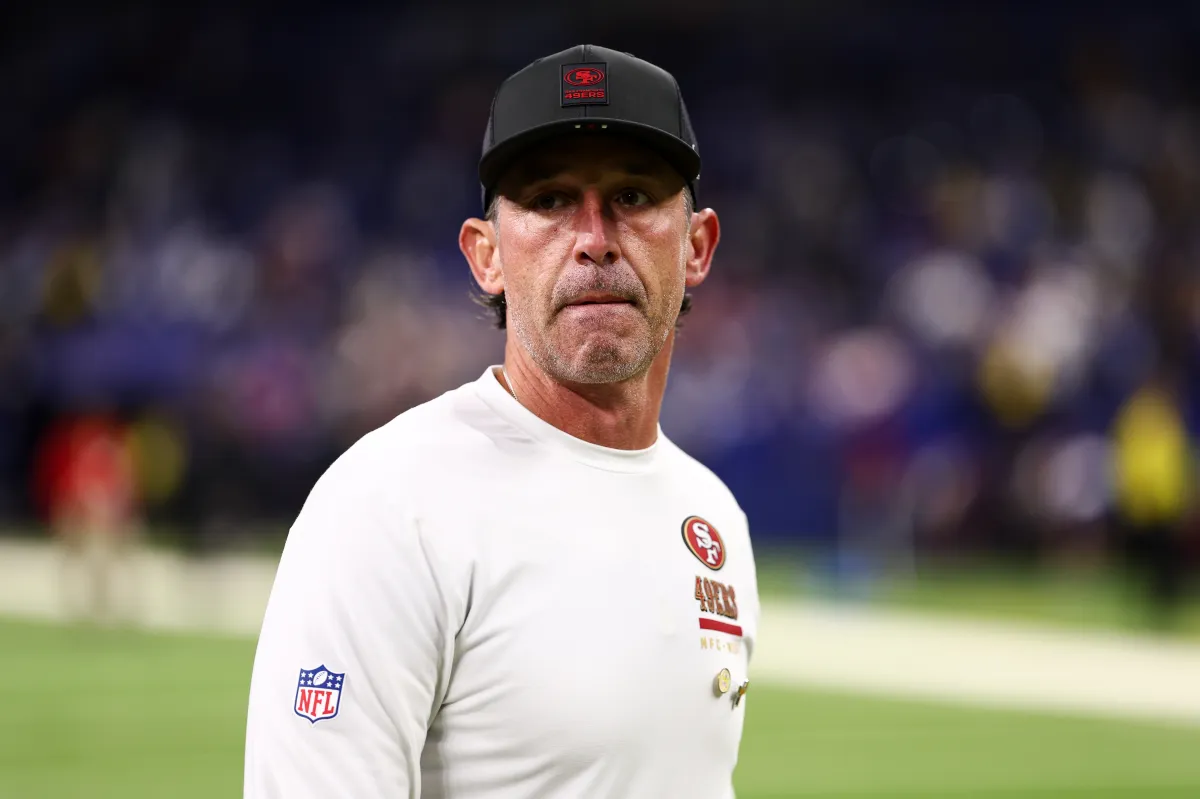
Sitting right behind him at number two is Kyle Shanahan of the San Francisco 49ers, a man whose brilliant system has defined the modern NFL offense but who remains desperately haunted by the final step of his journey. It feels almost defying of statistical logic that the 49ers, despite putting together one of the most dominant and feared stretches of football since 2019, have yet to hoist a championship banner under Shanahan’s watch. His tenure in the Bay Area has been a showcase of consistent excellence, yielding five postseason berths, four trips to the NFC Championship Game, three division titles, and two heartbreaking Super Bowl appearances where victory slipped through his fingers in the closing moments. Yet, the football world knows that Shanahan’s window of opportunity is wide open, especially as the calendar marches toward 2026. With a loaded, star-studded roster featuring a healthy Brock Purdy under center, defensive wrecking balls Nick Bosa and Fred Warner, the explosive Mykel Williams, and arguably the league’s premier offensive weapon in running back Christian McCaffrey, San Francisco remains a championship powerhouse. The path to redemption for Shanahan is clear, but it is highly likely that to finally claim his elusive ring, he will have to slay his personal giant and go head-to-head against McVay in a high-stakes postseason rematch that could define both of their legacies.
Claiming the third spot on our divisional ladder is Mike Macdonald of the Seattle Seahawks, a fascinating young coach who represents the next wave of defensive innovation in the NFL. Macdonald already possesses what Shanahan is searching for—a Super Bowl ring—but his brevity in the head coaching ranks prevents him from climbing any higher on this list just yet. Having only two seasons of head coaching experience under his belt, Macdonald lacks the extensive track record of his peers in Los Angeles and San Francisco, but what he has accomplished in his short tenure is incredibly impressive. Amassing a 24-10 record over two years, Macdonald’s immediate success in Seattle was propelled by a historically dominant defensive unit that stifled opponents and carried the franchise back to the mountaintop. As he enters his third year, Macdonald is blessed with a roster structured to keep the Seahawks highly competitive in a brutal division. With the steady presence of quarterback Sam Darnold leading the offense, the electric playmaker Jaxon Smith-Njigba poised for a breakout campaign, and a ferocious defensive foundation returning largely intact, Macdonald has all the tools necessary to prove that his early success was no fluke and rapidly close the gap on the division’s two heavyweight coaches.
Then, we arrive at the unenviable position of Mike LaFleur of the Arizona Cardinals, who lands at number four on our list in what can only be described as a trial by fire. It is hard not to feel a pang of sympathy for the younger LaFleur sibling, who must not only operate under the massive shadow cast by his brother Matt’s high-profile success with the Green Bay Packers but must also navigate the most dysfunctional and depleted situation of any first-year head coach in the league. The hand LaFleur has been dealt in Arizona is incredibly weak, starting with a roster that features journeyman Jacoby Brissett at quarterback and a defensive unit that has shown a distressing inability to stop even the most basic of offensive attacks. The silver linings in the desert are few and far between, leaving fans with only a couple of genuine reasons to tune in: the raw, dynamic potential of rookie running back Jeremiyah Love and the mesmerizing athleticism of top-ten draft pick Marvin Harrison Jr. Realistically, LaFleur and the Cardinals will be lucky to claw their way to three victories this coming season, but this painful rebuilding phase carries a hidden blessing. If things go as poorly as expected, LaFleur will likely find himself holding a golden ticket at the top of next year’s draft, putting him in a perfect position to select a blue-chip collegiate savior like Arch Manning or Dante Moore to spark a franchise renaissance in Year Two.
As the summer heat intensifies and the countdown to kickoff narrows, the NFC West stands out as a microcosm of everything that makes the NFL the most compelling league in the world. It is a division defined by stark contrasts: the championship-proven pedigree of Sean McVay, the brilliant but tortured genius of Kyle Shanahan, the rapid ascension of defensive prodigy Mike Macdonald, and the grueling, ground-up rebuilding project facing Mike LaFleur. Every Sunday in this division will serve as a masterclass in game planning, personal legacy building, and tactical warfare. For these four men, the upcoming season is not merely a collection of sixteen games, but a high-stakes narrative where reputations will be forged, dynasties will be chased, and survival is never guaranteed. As the pads pop in training camp and the preseason games finally get underway, the stage is set for a captivating year of football, and the answers to the division’s biggest questions will soon be written on the gridiron.