







Seattle weather brings a distinctive magic during late June but beneath the sparkling surface of the Puget Sound lies a relentless and churning current of technological change. This past week local residents and tourists gathered along the metal railings of the historic Ballard Locks to witness a spectacular visual representation of global wealth and industrial design. Zen a breathtaking superyacht that is longer than two hundred and eighty feet and valued at some two hundred million dollars which is reportedly owned by the prominent Chinese billionaire Wu Guangming glided smoothly through the canal drawing crowds of onlookers who marveled at its sheer scale. This striking display of material luxury coincided with a series of major corporate shakeups whispering through the executive suites of the region. In a digital ecosystem where human leadership remains the ultimate currency Microsoft made waves by appointing a new chief digital safety officer who is tasked with navigating the increasingly complex waters of online security consumer protection and ethics in the age of artificial intelligence. Simultaneously the financial technology company Remitly prepared for its next chapter after the sudden departure of its chief product and technology officer leaving industry analysts speculating on the future trajectory of its international remittance platforms. Not to be outdone synthetic video pioneer Synthesia signaled its intent to capture a larger slice of the American market by hiring a veteran Amazon Web Services executive to oversee its new and rapidly growing Seattle office. These leadership transitions highlight a core truth of the modern digital landscape. Even as automated systems expand the foundational strategy of our most influential companies is still driven by the nuanced decisions of human executives. In this environment every executive departure or hiring decision sends ripples through the venture capital community shaking up strategic partnerships and redefining the competitive boundaries of tomorrow. This constant shuffling of the guard shows how deeply interconnected collaborative and fiercely competitive the regional marketplace has become as companies prepare to dominate the next digital era now ahead.
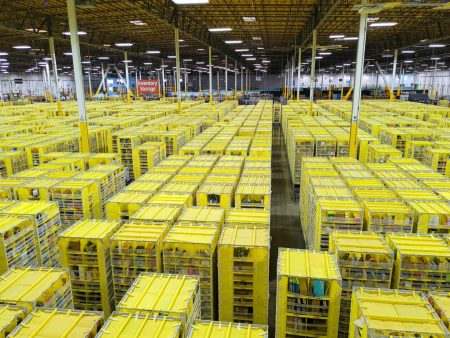
This executive chess game is accompanied by a dramatic physical evolution of technology as artificial intelligence transitions from behind glowing computer screens into our physical spaces. In the suburban neighborhoods of Seattle a heartening and highly ambitious venture is taking shape under the banner of Mind Children Robotics. Co founded by the renowned artificial general intelligence pioneer Ben Goertzel the startup is actively developing Codey a friendly child sized social robot designed to bring educational enrichment interactive games and comforting companionship to those who need it most. With a target price point set comfortably under ten thousand dollars Codey is specifically engineered to be affordable and accessible for local school districts pediatric wards and senior care facilities that are currently struggling with severe staffing shortages and social isolation. On the industrial end of the physical artificial intelligence spectrum Oregon based Agility Robotics is on the cusp of making Wall Street history. Best known for their innovative bipedal Digit humanoid robots which have spent the past several months undergoing rigorous operational testing within Amazon massive fulfillment centers Agility is poised to become the first publicly traded humanoid robotics company in the United states. This historic initial public offering represents a major milestone proving to skeptical investors that walking machines are transitioning from conceptual lab prototypes to viable pieces of logistics infrastructure. These parallel developments illustrate the double sided nature of our automated future because on one path we are crafting gentle conversational sidekicks to assist our schools and hospitals while on the other we are manufacturing a tireless bipedal mechanical workforce destined to revolutionize the global logistics supply chain. This balance between mechanical labor and digital empathy hints at a future where automated companions are integrated into every corner of human society. By bridging the gap between utilitarian logistics and emotional intelligence these robotics companies are redefining how we interact with machines in our daily lives on earth today as we move toward full scale integration of autonomous hardware systems in daily life now.
However the rapid expansion of these digital and physical technologies requires an astronomical amount of energy and natural resources sparking a critical debate over environmental sustainability. As tech conglomerates build ever larger clusters of graphics processors to train advanced models the hunt for clean reliable electricity has reached a fever pitch. To address this crisis the Pacific Northwest National Laboratory chipmaker Nvidia and geothermal energy pioneer Fervo Energy have forged an unprecedented public private partnership. Together they are developing a highly sophisticated AI driven public mapping tool designed to eliminate the historic guesswork associated with drilling deep into the hot crust of planet earth offering a digital blueprint to unlock clean boundless geothermal power. This push for resource efficiency is mirrored in latest environmental reports from Microsoft which reveal a spectacular ninety percent reduction in its data center water consumption intensity alongside significant progress toward replenishable water milestones. This breakthrough represents a major victory for the tech giant especially as public concerns mount over the immense drinking water volumes consumed by data center cooling systems. Still Microsoft is proving that engineering sustainability must also apply to human capital. In a move that brought immense relief to software engineers across the region Microsoft introduced systemic operational improvements designed to protect their developers from exhausting early morning emergency on call wake up pages. This human centric approach acknowledges that system reliability cannot come at the expense of developer mental health reminding us that a sustainable technological future requires us to care for both the planet finite natural resources and the personal well being of the technical workforce building these complex systems. Without such conscious effort the industry risks burning out the very humans responsible for maintaining the internet backbone rendering technological breakthroughs unsustainable. Ultimately prioritizing ecological stability alongside employee wellness represents a crucial paradigm shift in modern corporate responsibility that all global enterprises must adopt if they wish to remain viable and respected by the communities they serve in this evolving world economy today indeed.
Even as legacy tech giants work diligently to protect their engineering personnel the local startup landscape continues to scale at an impressive pace. Virginia based artificial intelligence firm Trase announced a massive expansion of its presence in the Seattle metropolitan area unveiling plans to grow its local team from twenty employees to over one hundred specialists in the upcoming months. This aggressive hiring spree highlights the region unmatched gravity for machine learning talent cementing Seattle reputation as a prime territory for scaling up high growth technology enterprises. Yet this cultural dominance by tech innovators has also sparked a fascinating tension with the entertainment industry which is struggling to process the rapid societal shifts brought on by the rise of Silicon Valley. In a surprising turn of events Amazon MGM Studios recently decided to back away from Artificial an almost completed dramatic film focusing on the tumultuous career and personal life of OpenAI polarizing chief executive officer Sam Altman. This sudden abandonment of the documentary narrative hybrid project illustrates the highly delicate protective and sometimes defensive relationships that media conglomerates hold with the powerful tech figures dominating current news cycles. In an era where artificial intelligence executives command as much global influence as major political leaders portraying their stories on screen carries significant reputational risks forcing entertainment studios to tread carefully between creative storytelling and corporate caution. Ultimately this collision between film production and tech titan mythmaking reminds us that the cultural narratives constructed around artificial intelligence are often just as volatile unpredictable and highly contested as the underlying source code itself. As Hollywood continues to grapple with how to portray these modern digital demigods the line between technology and entertainment grows increasingly blurred. This tension underscores the immense influence that tech leaders now wield over global media narratives transforming software developers into the chief subjects of modern mythmaking and leaving corporate entertainment entities hesitant to challenge their mighty societal authority in this highly politicized and rapidly shifting cultural milieu we navigate today now.
This narrative tension is further mirrored in the hardware sector where the abstract nature of software development crashes directly into the harsh physical realities of global manufacturing. A prime example of this material bottleneck occurred when Bellevue based gaming giant Valve Software abruptly opened reservation slots for its long awaited next generation Steam Machine consoles. Eager gaming enthusiasts rushed online to secure their hardware reservations only to be hit with profound disappointment as Valve revealed a launch price significantly higher than what industry insiders had initially predicted. Valve openly attributed this pricing surge to persistent ongoing shortages of critical components and semiconductors proving that even the most successful digital entertainment companies remain thoroughly bound by the physical limits of global mining and supply chain politics. This economic reality check has forced hardware developers software engineers and passionate gamers alike to confront a frustrating industrial paradox which is that while our digital imaginations and software capabilities are expanding at an exponential rate our ability to physically construct the silicon chips required to run them is bottlenecked by the real limits of planet earth. This material friction serves as an important grounding force for the tech industry reminding us that no matter how sophisticated our software design and cloud systems become we are ultimately at the mercy of physical logistics mineral extraction and assembly line capacities. This situation translates a routine consumer electronics purchase into a stark lesson in global resource limitations proving that digital dreams require physical objects. In the end this situation demonstrates that our digital aspirations will always remain anchored by tangible physical assets and without a robust manufacturing sector even the grandest software innovations will remain locked behind high pricing walls that average buyers simply cannot afford. This hardware bottleneck must be solved if we hope to democratize advanced consumer technology so that all people can gain equal access to the digital future instead of leaving it as a luxury reserved only for the very wealthy strata of our society permanently.
Reflecting on the final week of June two thousand and twenty six we see a global technology landscape that is more vibrant deeply complicated and intensely humanized than ever before. From the luxurious leisure of a multi million dollar superyacht drifting lazily through the scenic Ballard Locks to the high pressure exhausting realities of software developers battling burnout in the dead of night the stories of this week illustrate that behind every corporate merger real estate expansion and complex algorithmic system lies a deeply human story. We are actively living through a historical transition period where robots are walking out of academic laboratories and into our neighborhood classrooms nursing homes and warehouse corridors while the massive energy and water requirements of our digital ambitions are forcing us to look deep within the earth to establish sustainable clean energy solutions. The rapid domestic growth of artificial intelligence startups like Trase and the pioneering public market ambitions of Agility Robotics prove that the momentum of this technological evolution is only accelerating reshaping our cities and economic systems in real time. At the exact same time widespread public concern over environmental damage and the cautious corporate cancellation of media projects profiling powerful tech icons indicate that we are stepping into an era of profound cultural reflection regulatory scrutiny and corporate accountability. Ultimately the true success of our collective technological progress will not be calculated solely by the speed of our processors the size of corporate valuations or the net worth of our founders but by how compassionately thoughtfully and sustainably we deploy these powerful innovations to protect our natural world elevate human dignity and build a more equitable future for everyone. By keeping human well being at the heart of technical progress we can ensure that tomorrow innovations serve to unite and support us rather than divide us creating a beautiful legacy of shared cooperation and progress that will guide generations toward harmony peace and mutual understanding in this bright new age of wonder we experience together now.