



Eclypsium, a dynamic cybersecurity firm nestled in the heart of Portland, Oregon, has just scored a significant victory in the tech world. Imagine a startup born from the minds of former Intel security whiz kids, turning heads with a fresh approach to protecting the very core of our computing devices. Last week, they announced a robust $25 million injection of capital, marking a pivotal moment in their journey to fortify the digital underbelly of our connected lives. This funding round, skillfully orchestrated with leadership from esteemed investors, underscores the growing demand for safeguards against vulnerabilities that lurk beneath the surface of our laptops, servers, and emerging AI systems. As the digital landscape evolves at breakneck speed, with edge devices sprouting everywhere from smart cities to autonomous vehicles, Eclypsium stands as a beacon of innovation, promising to keep the bad actors at bay before they ever reach the software we interact with daily. The announcement came as no surprise to industry insiders, who have been watching this Portland gem climb the ranks of tech disruptors. With a mission that’s as timely as it is critical, the company is poised to redefine how we think about hardware security, ensuring that the invisible layers of code embedded in gadgets everywhere remain impenetrable. This influx of cash isn’t just numbers on a balance sheet; it’s a vote of confidence from savvy financiers who see the broader implications for everything from national security to everyday consumer protection. As we navigate a world where cyber threats are becoming more sophisticated, Eclypsium’s story reminds us that true safety often starts at the hardware level, far removed from the apps and browsers we use.
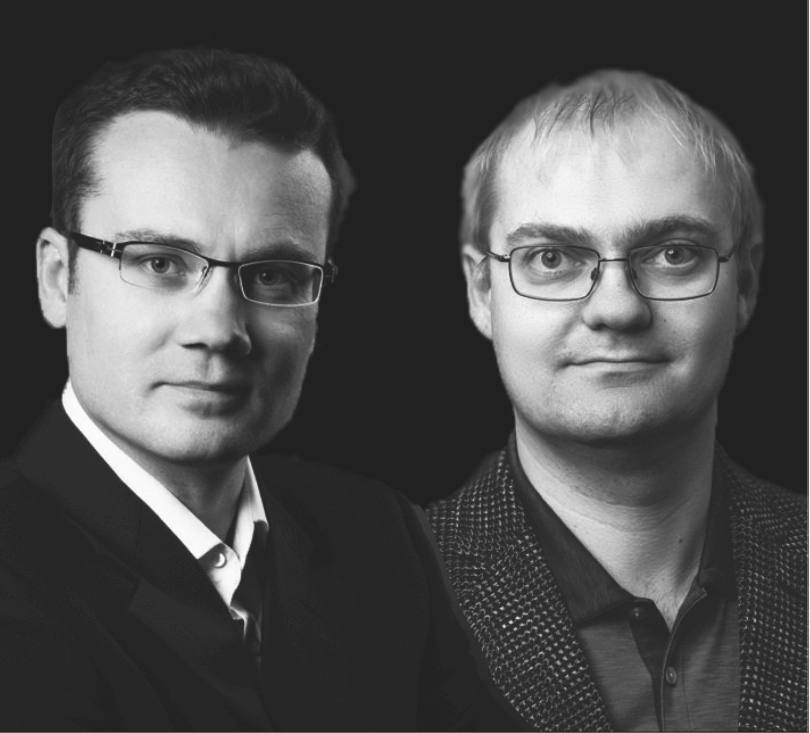
At the helm of Eclypsium are two visionary leaders whose backgrounds paint a picture of expertise forged in the fires of Silicon Valley’s giants. Yuriy Bulygin, the company’s CEO, brings a wealth of experience from his days as a security engineer at Intel, where he honed his skills in dissecting complex systems. Paired with CTO Alex Bazhaniuk, another Intel alum, the duo forms a powerhouse team that speaks to the company’s deep-rooted understanding of firmware and hardware intricacies. Together, they’ve built Eclypsium from the ground up since 2017, transforming it into a trusted ally for both government agencies and private enterprises. Their journey isn’t just about code and circuits; it’s about bridging the gap between innovation and security in an era where technology leaps forward without always looking back. Bulygin and Bazhaniuk have shared stories of late nights debugging firmware exploits, moments that tested their resolve and fueled their passion for creating proactive defenses. With this latest funding, they’re not just celebrating a milestone—they’re gearing up to scale their operations, hiring top talent and expanding their toolkit to tackle even more pressing challenges. The co-founders’ photo, capturing their camaraderie, symbolizes the human element behind this tech enterprise. It’s a reminder that behind every algorithm and security patch, there are people driven by a shared vision to make the digital world safer. Their leadership has earned them accolades, including a spot on prestigious lists like the GeekWire 200, proving that Eclypsium isn’t just another startup but a force to be reckoned with.
Eclypsium’s core offering is a platform that dives deep into the hardware and firmware of devices most of us take for granted. Think of it as a digital detective, scanning laptops, servers, network gear, and the burgeoning realm of AI infrastructure for hidden weaknesses. These vulnerabilities aren’t your typical software bugs; they’re embedded in the very building blocks of technology, often invisible to standard security tools that focus on operating systems like Windows or macOS. The company serves a diverse clientele, from Fortune 500 corporations shielding their data centers to public sector entities protecting national infrastructures. By identifying these firmware threats—ranging from outdated BIOS flaws to supply chain infiltrations—they empower organizations to patch issues before adversaries exploit them. It’s a preventive approach that’s gaining traction in a world where cyber incidents can cripple economies or compromise personal privacy. Eclypsium’s tools are intuitive yet powerful, offering real-time insights without overwhelming users with jargon. For instance, imagine spotting a backdoor in a CCTV camera or an unsecured network device that could spy on hospital operations—these are the silent dangers the platform uncovers. What makes their service stand out is its scalability, adapting to everything from small businesses to massive global deployments. Customers have praised how Eclypsium transforms complex diagnostics into actionable strategies, fostering a culture of security rather than fear. In an interview, a satisfied client from the financial sector described it as “peace of mind in a box,” a testament to how the platform democratizes advanced cyber protection.
With the fresh $25 million in their arsenal, Eclypsium is charting an ambitious expansion into the frontiers of technology. The funds will propel them further into AI infrastructure, ensuring that the neural networks powering everything from autonomous drones to advanced analytics are shielded from manipulation. They’re eyeing a growing array of edge devices, those decentralized gadgets at the network’s periphery that are revolutionizing industries. Imagine GPU servers crunching massive data sets for machine learning, NVIDIA BlueField appliances streamlining data flows, or SD-WAN edge devices bridging remote offices—Eclypsium plans to embed its security seamlessly into these. Even more intriguingly, they’ll tackle emerging fields like Secure Access Service Edge (SASE) appliances that blend networking and security, 5G equipment enabling ultra-fast connectivity, and ubiquitous CCTV cameras guarding public spaces. The roadmap includes enhancing their platform with AI-driven predictive capabilities, flagging potential threats before they materialize. This isn’t just about growth; it’s about anticipating the future, where IoT devices and 5G rollouts create new attack surfaces. Company leaders envision partnerships with hardware manufacturers to bake security into products from the outset, mirroring how safety standards evolved in the automotive industry. The investment will also fuel research into exotic threats, such as those exploiting quantum computing or biotechnological interfaces. For Eclypsium, the excitement lies in turning potential vulnerabilities into strengths, creating a safer ecosystem for innovation. It’s a bold step, reflecting the co-founders’ belief that security should enable progress, not hinder it.
The funding round shines a spotlight on the investors who believe in Eclypsium’s potential. Leading the charge is PEAK6 Strategic Capital, a firm known for backing transformative tech ventures with a strategic eye on market disruption. Joining them are Ten Eleven Ventures, a West Coast powerhouse focused on early-stage startups, and an undisclosed bank whose participation hints at larger institutional interest. Existing backers like Andreessen Horowitz—a16z grapevine often buzzes with A-list names—and Madrona Ventures, a Pacific Northwest stalwart, also doubled down on their commitment. Qualcomm Ventures rounded out the roster, drawing on their deep ties to hardware innovation. This mix of investors isn’t accidental; it reflects Eclypsium’s blend of enterprise-grade security with deep tech roots. PEAK6’s involvement, in particular, signals confidence in the company’s path to profitability, with their track record in scaling cybersecurity firms. The round builds on prior successes, including a Series C last January that pulled in $45 million across equity and debt. Cumulatively, Eclypsium has raised $110 million, a testament to consistent momentum despite a challenging fundraising climate. Investors aren’t just providing capital; they’re offering strategic guidance, from market insights to networking opportunities. For instance, Qualcomm’s role could open doors to embedded security integrations in mobile devices. These backers see Eclypsium not as a niche player but as a cornerstone of the next-gen security landscape, where hardware vulnerabilities could otherwise cascade into widespread chaos. Their support underscores a broader trend: venture capital flowing toward firms that protect the infrastructure we increasingly rely on.
Eclypsium’s rise is crowned by its No. 115 ranking on the GeekWire 200, GeekWire’s annual celebration of the Pacific Northwest’s top tech startups. This accolade places them among 200 trailblazing companies shaping the region’s vibrant ecosystem, a nod to their innovation in addressing a critical yet underserved market. Based in Beaverton, Oregon, they’ve become a poster child for how deep tech expertise can yield real-world impact. The GeekWire 200 isn’t just about prestige; it’s a platform that connects startups with investors and partners, amplifying voices in the industry. For Eclypsium, this ranking aligns with their ethos of blending technical rigor with practical applications. Looking ahead, the outlook is bright but grounded in reality. As cyber threats evolve—from nation-state actors to opportunistic hackers—the needle moves toward proactive defenses. Eclypsium’s focus on firmware could set new standards, perhaps influencing regulatory frameworks for device security. The team envisions a future where their platform is as ubiquitous as antivirus software, but beneath the operating system. Challenges remain, like navigating IP complexities in hardware, but the company’s leaders are optimistic, driven by a mission that transcends profit. Community feedback has been glowing, with praises for their collaborative spirit and quick response times. Ultimately, Eclypsium’s story is one of transformation: from Intel engineers to portfolio darlings, they’re proving that in the arms race against cyber risks, the job goes to those who think ahead, work hard, and humanize technology’s complexities for the rest of us.