


The Adventurous Quest of Mike Keen: Embracing the Raw Heart of Greenland’s Wilderness
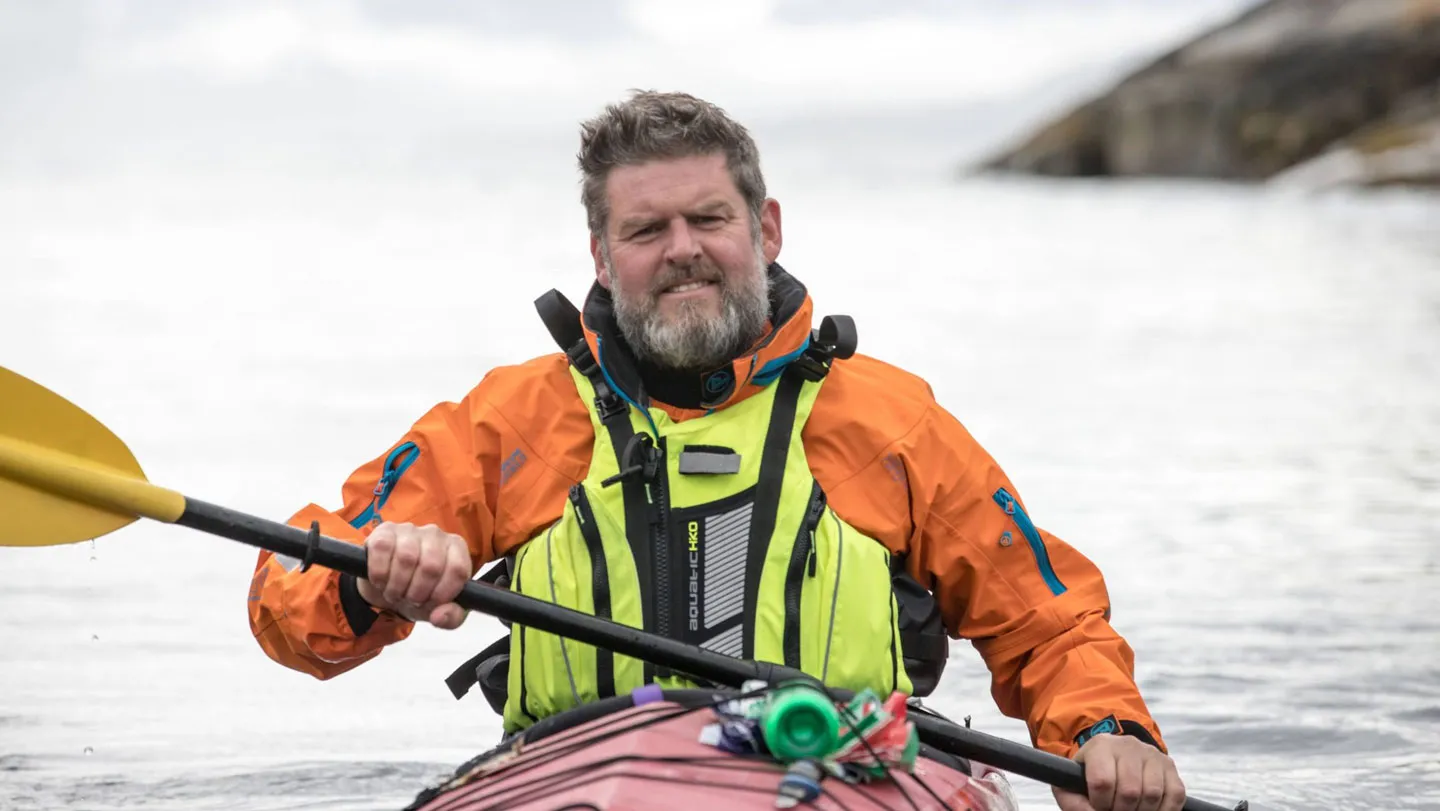
Imagine you’re a British chef from the cozy county of Suffolk, someone who’s built a career turning ingredients into culinary delights in bustling kitchens, yet your heart yearns for the untamed edges of the world. That’s Mike Keen, who this spring decided to trade his apron for snowshoes and embark on a daring month-long ski trek across Greenland’s icy northern expanse. He’s not alone; a loyal sled dog pulls his gear, and together they’ll survive solely on slowly decomposing seal meat. Picture the stark beauty of gleaming ice caps, the crunch of skis on fresh powder, and the biting wind that reminds you of nature’s unrelenting power. This isn’t just a survival challenge—it’s a profound exploration, acting as a stand-in for how ancient Inuit people navigated these barren, unforgiving lands. Keen’s journey spans about 320 kilometers, a route that forces him to rely on his wits, strength, and a diet that defies modern comforts. Living in Suffolk, Keen often ponders the boundaries of food: is there a real divide between what’s fermented and truly rotten, or is it a blurry line shaped by culture and necessity? As he skies, the duo will feast on seal meat that’s raw or in various stages of decay, subsisting entirely on this age-old sustenance. It’s a blend of renegade culinary experiment and scientific inquiry, pushing Keen to question the very essence of edibility in extreme conditions.
For Keen, this venture ties into his fascination with transformation—food’s journey from raw to transformed. The expedition mirrors historical Inuit survival strategies, where hunters and families endured harsh winters by consuming whatever nature provided. These Arctic explorers, indigenous to Greenland, developed ingenious ways to make the most of their environment, turning seals, whales, and other marine life into lifelines. Keen’s life has always danced on that edge between the familiar and the exotic. An adventurer at heart, he draws from personal experiences where food becomes a bridge to understanding humanity’s past. In this trek, the decomposing seal isn’t just meal prep; it’s a testament to resilience, a calling back to ancestors who thrived on ingenuity. You can almost hear Keen’s thoughts as he glides forward, the dog’s paws thumping rhythmically—the thrill of discovery mingling with the chill, the solitude broken only by the wind’s whisper. Yet, beneath the adventure, there’s a deeper narrative: how one man’s curiosity connects to global stories of adaptation, reminding us that survival often means embracing the unconventional. Keen’s story humanizes the article’s core, turning abstract science into a relatable tale of passion and perseverance. As he and his dog push onward, every kilometer is a nod to those who came before, blurring lines between present leaps and ancestral footsteps. It’s not just about eating to live; it’s about living to understand, a personal odyssey echoing through Greenland’s frozen silence.
Diving into the scientific side, Keen’s journey involves meticulous data collection to unravel how diets shape our inner worlds. He’ll gather fecal samples from himself and the dog throughout the trip, capturing shifts in their gut microbiomes—the bustling communities of microbes that influence health, immunity, and even mood. By switching from a typical Western diet laden with processed foods, fruits, and vegetables—items that struggle to flourish in the Arctic’s freeze—to a traditional Inuit fare that’s nearly all meat, Keen aims to witness microbial evolution in action. Researchers, including microbiologist Aviâja Lyberth Hauptmann from Greenland’s University in Nuuk, hypothesize that fermentation plays a crucial role. While modern Western diets include those hard-to-grow produce, the Inuit way has historically been 98 percent meat, yet it didn’t spark cancers, heart disease, or digestive woes until recent imports from Denmark skewed things. Hauptmann suggests fermentation, an art passed down through generations, enriches meat with diverse microbes, bolstering gut health. “There is a way to live healthily off an animal-sourced diet,” she insists, challenging the plant-centric narratives we hold. Keen’s samples will reveal if microbes adapt rapidly, perhaps explaining how ancient peoples handled dietary shifts during migrations. In his last expedition, Keen experienced gut turmoil—diarrhea giving way to stunted movements—but then stability, likely from microbial recalibration. This time, the focus sharpens on fermentation’s alchemy, turning potential decay into nourishment.
Keen’s path to this icy frontier began a few years ago, sparked by a thwarted passion project. As a pro chef, he dreamed of crafting Parma ham, that iconic Italian cured meat aged in salt for months. Regulators shut it down, deeming it a health risk, but the mystery lingered: why are cured meats celebrated globally yet scrutinized here? It ignited Keen’s adventurous side. He contacted Hauptmann, forging a collaboration for a 12-week Greenland kayaking odyssey. He pledged to eat only traditional Inuit foods—raw and fermented meats, no fruits or veggies. The transformation was stark; his documentary “Qajaq Man” captures the grit, from coastal strokes to welcoming crowds in remote towns. Villagers cheered, viewing him as a living link to heritage. Now, in this ski expedition, Keen and Hauptmann deepen the probe into fermentation. Inuit ferment various meats—walrus, caribou, reindeer, seals—as igunaq, a delicacy born of necessity. One standout? Kiviak, where birds are stuffed into seal hides and buried under rocks to ferment. Even today, people debate fermented versus spoiled, but archaeology shows humans pushed boundaries safely. Archaeologist John Speth notes evolutionary perks: like cooking, fermentation unlocks nutrients, reducing labor. Ancestors likely avoided illnesses through honed techniques, though botulism emerged as methods changed in Alaska. Keen mitigates risks by wrapping deboned seal in hides, insulating to hover just above freezing—preventing rapid decay that breeds danger.
Yet, not everyone’s convinced this n-of-one study, centered on an Englishman and his dog, paints the full picture. Critics like Patrick Mullie, a Brussels-based nutrition epidemiologist, argue native Greenlanders would offer richer insights, given their genetic evolutions. Inuit carry adaptations for fat-rich diets, as per a 2015 Science study. But Keen represents rapid adaptation, sans generations of genetic shifts—what Hauptmann calls microbial magic. In “Qajaq Man,” he adapted, microbes shifting from plant-favoring to protein-fat lovers, taming his digestive storm. On this trip, samples—from Keen’s stool, the dog’s, and decomposing meat slices—will track microbial DNA parallels. What bugs dominate the seal’s transformation, and how do they influence Keen’s and the pooch’s guts? It’s a case study blending human experience with lab precision, exploring gut-health mysteries. Keen knows the stakes: too fast fermentation risks botulism, so his setup controls decay’s pace. As he skis, wrapped in layers against the cold, each sample is a snapshot of symbiosis—man, dog, food, microbes intertwining in Greenland’s vastness.
Ultimately, Keen’s journeys revive Indigenous wisdom amid modernization’s tide. In Greenland, imported foods have ushered in Western woes like cancer and heart disease, overshadowing ancient diets. Hauptmann champions the right to “our own diet,” unburdened by plant-obsessed dogma. Fermentation, a forgotten art, could unlock healthier high-meat living, fortifying microbiomes against modern plagues. Keen’s expedition, capturing Inuit enthusiasm, proves traditional ways endure. As he finishes, samples in hand, we see not just survival but revival—reminders that human health ties to cultural roots. His story, raw and fermented like the meat, humanizes science: an adventurer’s quest becoming a bridge to lost practices. In Greenland’s freeze, Keen doesn’t just ski; he connects eras, urging us to reconsider food’s transformative power. Through his eyes, the Arctic’s lessons thaw minds, blending daring with discovery. By the journey’s end, Keen might confirm what Inuit knew: fermentation isn’t just survival—it’s an ancestral gift, enriching lives in ways we’re only beginning to understand.
In reflecting on this narrative, Mike Keen’s Greenland odysseys reveal profound truths about humanity’s relationship with food and environment. His role as both chef and explorer highlights how personal passions can fuel global insights, turning a simple curiosity about cured meats into explorations that honor history. Yet, challenges persist: health officials often dismiss high-meat diets, overlooking fermentation’s protective role and genetic evolutions honed over millennia. By eating exclusively from the land, Keen embodies Indigenous resilience, his body a lab showcasing adaptability. The sled dog’s companionship adds warmth, their shared dependency mirroring familial bonds in Inuit culture. As samples reveal microbial shifts—perhaps unveiling fermentation’s magic—Keen’s work could inspire dietary rediscovery. Imagine a world where modern woes cede to ancestral strategies, where understanding gut health transcends labs to embrace lived experiences. Haulmann’s research, pending in Frontiers in Microbiomes, underscores this: designs may change microbiomes quickly, aiding migrations or dietary pivots. Keen’s ambassadorship, via documentaries and tales, fosters connection, proving traditional diets aren’t relics but vibrant paths. In a warming world, preserving these practices safeguards health and identity, Keen proving one person’s journey can awaken collective awareness. His solidarity with Greenlanders—welcomed as kin—transcends science, weaving narratives of unity. As winds howl over ice, Keen’s perseverance reminds us: adventure unearths wisdom, and sometimes, the hardest treks yield the deepest nourishment. Through his story, we glimpse possibilities—of thriving on high-protein fare, of microbes as allies. It’s a human tale, raw yet hopeful, urging us to question norms and embrace diversity in sustenance. Keen’s Greenland chapters aren’t endings; they’re beginnings, inviting all to explore food’s frontier. In this vast, frozen theater, one man’s quest humanizes isolation into revelation, connecting hearts across cultures.