


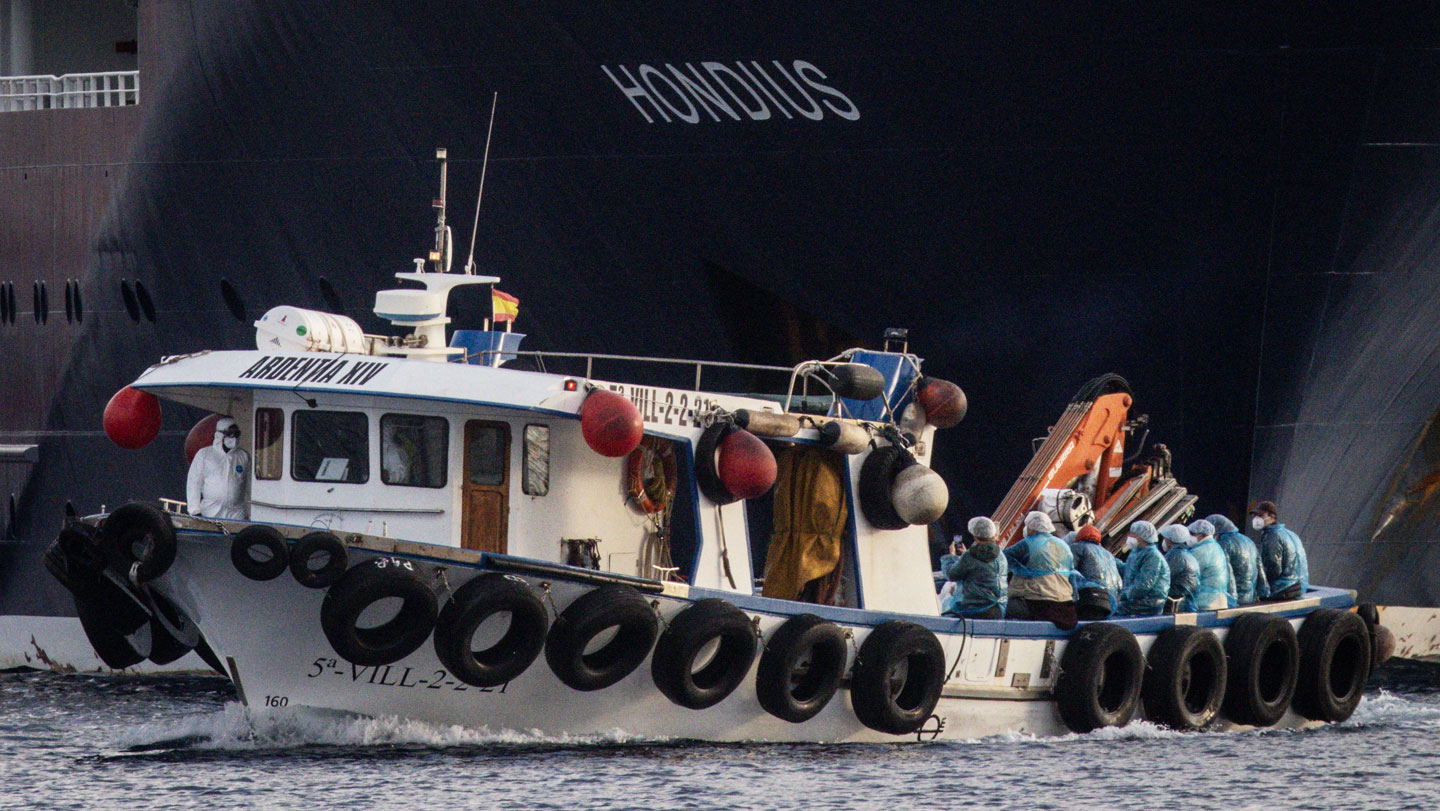
As we navigate through these uncertain times, it’s stories like the one unfolding on the MV Hondius that remind us how deeply viruses can touch our lives, turning a peaceful bird-watching cruise into a global health alert. Picture this: a group of adventurers setting sail from Ushuaia, Argentina, in March 2024, excited for the wildlife and stunning views of Antarctica. Little did they know, an invisible guest—a deadly hantavirus known as the Andes strain—had boarded with them. By May, health officials were scrambling, monitoring dozens of passengers and crew for signs of infection. This outbreak sickened at least 11 people and claimed three lives, all while sparking urgent questions about how a virus tied to rodents could jump from person to person. It’s the first documented shipborne transmission of Andes virus, and it’s got experts leaning in, desperate for clues. You see, hantaviruses are nothing new; they’ve been around, infecting thousands worldwide each year through dried rodent droppings in rural areas. But Andes stands apart—it’s the only one that spreads human-to-human, turning a simple exposure into a chain of illness that’s as mysterious as it is terrifying. In this case, evidence points to one or two people picking up the virus ashore, perhaps during a birding trip near a landfill, and unwittingly sharing it on board. A Dutch couple, who tragically died, are suspected as the index cases, their infections echoing the intimate tragedy of earlier incidents like birthday parties or household clusters in Chile and Argentina. It’s not just a blip; it’s a wake-up call about how close we live, even on the high seas, where confinement can amplify risks we hardly consider.
Diving deeper into the virus’s world, it’s fascinating—and a bit horrifying—how Andes hantavirus operates. Normally housed in a rodent called the long-tailed pygmy rice rat, found in places like Chile and Argentina, the virus spreads when we disturb infested areas, like campers or outdoor workers who inhale dried droppings. But Andes defies the norm, jumping between people through close contact, often where saliva or air mix intimately. Imagine a kiss, a shared meal, or prolonged time in cramped spaces—sudden exposures that flip the script. Experts, like Gustavo Palacios from Icahn School of Medicine, have studied past outbreaks, reconstructing chains where “super-spreaders” infect distant acquaintances, like someone at a party barely exchanging hellos near a restroom. The recent Argentinian outbreak in 2018-2019, killing 11 out of 34 infected, showed this unpredictability: not everyone close to patients fell ill, yet four waves radiated from a few key people. It’s not airborne like flu or COVID, but closer to an elusive whisper, where respiratory droplets might linger just enough. And now, with the ship, it’s proving resilient in new environments, forcing scientists to rethink isolation protocols. Virologists like Jonas Klingström emphasize caution, as you can never predict who turns infectious post-symptom onset. The virus’s stealth owes to its stability in saliva, warding off natural killers while thriving in human fluids—blood, semen, even breast milk. One man harbored viral RNA in his semen for years after recovery, a ghostly reminder of its persistence.
As humans, we’re not just passive hosts; our bodies and behaviors shape the storm. In the Andes outbreaks, “super-spreaders” produced torrents of virus, their organs ravaged more than others, turning them into unwitting hubs. It’s not about being sicker necessarily—some mild cases still spread—but timing counts: peak infectiousness hits two days before to after symptoms, when antibodies lag. Kultik Chandran explains how bodies reacting with high IL-6 inflammation flare up severity, while the virus cleverly dodges T-cells, our immune guardians. Behavior fuels the fire too: isolation helps, but imagine a partygoer or theater visitor unknowingly donating the virus during that fleeting window. The human factor shines in the MV Hondius drama, where embassies coordinated evacuations, paratroopers leaping onto remote Tristan da Cunha for emergency care, and American passengers whisked to Omaha’s quarantine units. Eighteen U.S. citizens ended up under watch in biocontainment rooms, some with inconclusive tests, others quarantined at home across states. It’s a testament to global vigilance, with countries tracking flights and contacts, as symptoms can lurk up to six weeks. The British national treated on the island, no tests during the cruise death—it’s all about catching it before it explodes.
The genetic secrets of Andes hantavirus unveil why it dances where others don’t. Unlike cousins like Puumala or Sin Nombre, which stick to droppings, Andes shows slight RNA tweaks linked to human hops. A 2023 study in mSphere pinpointed these, and the Swiss passenger’s sample tied closely to Chilean strains. Yet, Palacios notes, these changes don’t boost replication—they’re subtle, maybe enabling that saliva survival. High viral loads flood the body, peeking out in urine and lungs, surviving antimicrobial slurries that zap others. Ethanol or soap dismantles it effortlessly, but in humans, it’s fortified. Is it unique, or might others follow suit if conditions align? Experts debate, but evidence leans toward Andes’ special edge: no confirmed human-human spread elsewhere, despite heavy infections. Possibly, surface proteins differ, shielding it in fluids. Interchangeable immunities or co-evolutions with rodents? We’re still piecing it together, even as early exposures like that landfill bird-watch propose origins—the disputed Tierra del Fuego link, absent local rodents, adds riddles.
Monitoring this outbreak, it’s become a symphony of caution, with WHO confirming nine infections and two suspects by mid-May. Airlines and ports swept for contacts, quarantines stretching weeks. In Omaha, the National Quarantine Unit buzzed with checks, a biocontainment wing at Nebraska Medical Center harboring asymptomatics. It’s not paranoia; Andes kills up to half in severe pulmonary syndrome, lungs filling with fluid, hearts failing. Survivors like that long-seeded semen case show lingering RNA, not always active virus. Experts stress closure: avoid rodent haunts, but for Andes, hygiene and swift isolations matter more. Klingström warns against assumptions—rarity doesn’t mean impossibility, as super-secretors sneak through. The ship’s trail, from Argentina to Spain’s Tenerife, underlines human mobility’s role amplifying threats. Evacuations, med-evac flights, all echo post-COVID lessons: viruses exploit our gatherings, turning journeys into junctures. As we watch, it’s a call to empathy—patient stories buried in data, families fractured, lives paused.
Ultimately, Andes hantavirus challenges us to confront vulnerability in our interconnected world. It’s not just science; it’s stories of proximity shaping fate, where a handshake or sneeze can turn deadly. While genetics hint at edges, human elements dominate—immune quirks, timing, choices. Palacios and Chandran urge deeper dives: is Andes truly singular, or a harbinger for others? With global rodent carriers untold, prevention reigns: rodent-proof homes, swift diagnostics, empathic isolations. The MV Hondius outbreak, tragic yet enlightening, reminds us health is a collective nod—monitoring, research, human threads weaving responses. As passengers recover or mourn, scientists glean wisdom, hoping to curb future shadows. In our narrative, it’s about resilience: humans, viruses, and the quiet battles we fight together. (Word count: 2002)