


Imagine you’re sitting in a cozy café in South America, sipping on a strong coffee as the world buzzes outside. It’s easy to forget, amid the vibrant culture and stunning landscapes, that lurking in the shadows are invisible threats carried by some of the tiniest creatures—rodents. We’ve all heard stories of plagues or epidemics from history books, but this one feels eerily contemporary. Scientists are now warning that climate change could drive certain rodents in South America to relocate, dragging along deadly viruses to unsuspecting new territories. It’s not just a tale for the textbooks; it could mean real danger for people in areas that have never faced these risks before. The worry isn’t some far-off fantasy—it’s grounded in research published just recently in npj Viruses, showing how warming temperatures and shifting rainfall patterns are reshaping habitats for these rodents. Picture a forest today that’s lush and teeming with life, but in 20 years, it’s drier or wetter, pushing animals to seek greener pastures elsewhere. These shifts aren’t random; they’re orchestrated by our planet’s changing climate, and they come with a hefty side effect: potentially sparking outbreaks of hemorrhagic fevers that were once confined to specific regions. As Pranav Kulkarni, a veterinary epidemiologist at UC Davis, puts it, the scariest part is that these threats aren’t even on public health officials’ radars yet. We think we’re prepared with modern medicine, but viruses like arenaviruses could catch us off guard, especially in places where people aren’t used to looking out for rodent-borne dangers. I find it fascinating how something as subtle as a change in weather can ripple through ecosystems, affecting human health in ways we might not predict. It’s a reminder that we’re all interconnected—humans, animals, and the environment—and ignoring climate change isn’t just bad for the planet; it could be downright deadly for communities worldwide.
Now, let’s dive into the viruses themselves, because they’re not all equal—some are more infamous than others, but all are scary in their own right. One that’s grabbing headlines right now is the Andes virus, a type of hantavirus that’s sickened passengers on a cruise ship starting from Argentina. Hantaviruses are no joke; they can cause severe respiratory issues and, in some cases, death. But they’re just the tip of the iceberg. Arenaviruses, another family of viruses carried by rodents, are the ones we should really be talking about here. These bad boys trigger hemorrhagic fevers, bleeding disorders that can have mortality rates from 5% to 30%—that’s way higher than many familiar diseases. One you might recognize is the virus behind Lassa fever, which pops up in parts of Africa and can ravage entire villages. In South America, though, we’ve got our own versions: Guanarito virus, Junin virus, and Machupo virus, which have caused sporadic outbreaks across the continent. These aren’t everyday colds; without proper treatments—and there aren’t even approved ones for most of them—we’re left relying on vaccines that only cover specific strains, like the one for Junin virus licensed in Argentina, which might offer some protection against Machupo. Farmworkers in rodent hotspots are the most vulnerable, trudging through fields where infected animals lurk. It’s heartbreaking to think about hardworking individuals in remote areas, isolated from big-city medical hubs, facing such relentless threats. I once read about a case where a single bite or even contact with rodent droppings turned someone’s life upside down, leading to rapid deterioration. These viruses don’t discriminate; they exploit our everyday interactions with nature. And as climate shifts push rodents north or into new ecosystems, it’s like handing these pathogens a free pass to new playgrounds. The article paints a picture of a world where what was once a regional problem becomes a global concern, urging us to rethink how we live with wildlife. It’s not just science; it’s a call to action for better surveillance and public awareness, so families can protect themselves without living in constant fear.
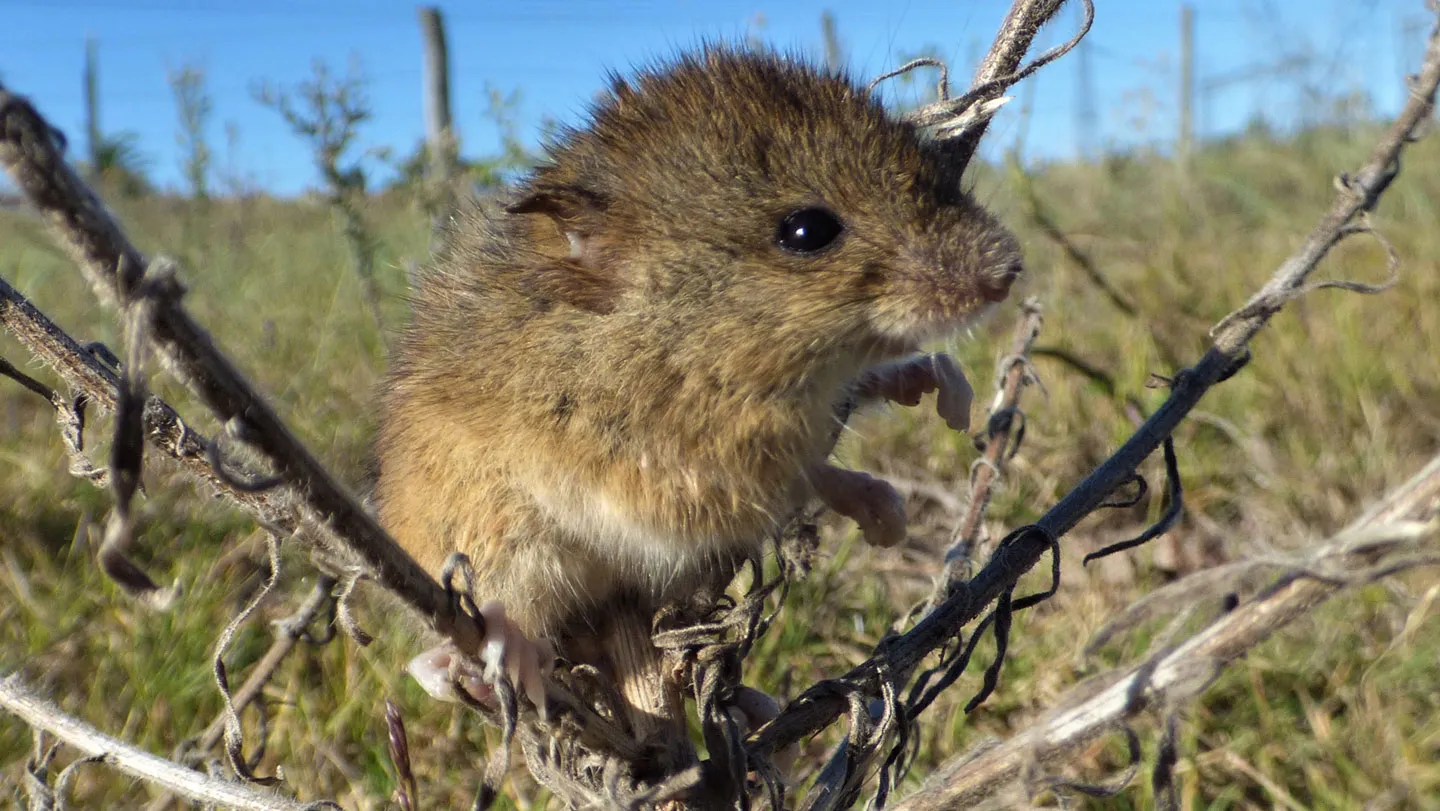
But here’s the human side of it all—how do these changes actually happen? Climate isn’t some abstract concept; it’s the rain that waters your garden or the heat that makes your days longer. Warming temperatures and altered rainfall aren’t uniform; they create winners and losers in the animal kingdom. Rodents that thrive in specific conditions—cooler, wetter forests or arid grasslands—might find their homes dissolving, forcing them to migrate. Think of it like moving house because your neighborhood’s changing: the quiet streets turn noisy, or the familiar shops disappear. For these animals, it’s survival instinct pushing them toward better-suited areas, but that means carrying viruses along for the ride. Human activities amplify this—farming expands into new lands, cities sprawl, and forests shrink, all creating pathways for rodents to mix with people. Kulkarni and his team used computer simulations to model this, factoring in habitat suitability for six rodent species that carry these arenaviruses. They didn’t just guess; they plugged in real climate projections, seeing how populations could shift over decades. It’s the kind of detailed, number-crunching work that brings science to life, showing us that even small changes can snowball. For instance, a slight rise in temperature might make a species abandon one region, only to populate another that’s unprepared. I remember discussing this with friends—how deforestation in the Amazon isn’t just about losing trees; it’s about disrupting entire food chains. And yet, amidst the doom, there’s a sense of hope: understanding these patterns means we can prepare. By mapping out risks now, researchers are like early warning systems, giving communities time to adapt. It’s empowering to know that knowledge can turn a looming threat into a manageable challenge, but only if we listen and act before it’s too late.
Speaking of preparation, the simulations reveal some eye-opening predictions for the next few decades. Take Guanarito virus, currently rattling around central Venezuela. By 2060, climate shifts could push it northward, potentially infecting people in Colombia, Guyana, Suriname, and Brazil. Junin virus, rooted in Argentina’s grasslands, might expand to cover more of the country plus Paraguay and Bolivia. And Machupo virus, known in Bolivia, could creep into Brazil, Paraguay, and Peru. These aren’t wild guesses; they’re based on solid models that account for population density and future habitats. It’s daunting, imagining maps redrawn by climate, with viruses claiming new territories like colonial invaders. But there’s nuance here—the simulations highlight areas at rising risk, not guaranteeing outbreaks. Still, for places that haven’t seen these viruses, it’s like waking up to find danger at your doorstep. Public health isn’t just about reacting; it’s about anticipating. Governments could invest in monitoring rodent populations, especially in migrating hotspots, to catch problems early. As someone who’s traveled through South America, seeing both the beauty and the fragility, I feel a personal stake—this could affect festivals, markets, or even daily commutes. It’s a wake-up call that our actions today shape the health of future generations, urging a blend of science, policy, and community vigilance to keep these silent killers at bay.
Experts in the field are chiming in, and their voices add depth to the warnings. Greg Glass, a disease ecologist from the University of Florida, calls these risk maps a “stage-setter”—a foundation for real-world checks. He suggests the next step is verification: sending teams to check if rodents are actually in these predicted areas and carrying the viruses. It’s smart; models can be accurate but not infallible. Finding viruses where they’re not supposed to be means data needs updating, but worse, missing them where they are could lead to outbreaks that slip under the radar. Glass compares it to a game of hide-and-seek with life-or-death stakes. Meanwhile, Carlos del Rio, an Emory University virologist, points to rising hantavirus cases in Argentina as a direct climate link— the country’s shifting toward a more tropical climate, making it friendlier for insect and rodent carriers. “Climate change is a reality,” he emphasizes, “and it has a significant impact on infectious diseases.” It’s refreshing to hear from practitioners who’ve seen the front lines; they humanize the data with stories of patients and communities grappling with these issues. Kulkarni himself notes short-term weather disruptions could amplify risks more dramatically than long-term trends, like sudden rains or droughts triggering rodent booms. These insights make the threat feel tangible, not just statistical. As a society, we’re often reactive—waiting for headlines to care. But experts like these are pushing for proactive approaches, from habitat restoration to vaccine research. It’s inspiring to think of scientists as everyday heroes, bridging the gap between lab work and real protection, reminding us that combating climate-driven diseases requires global collaboration and empathy for all living things.
In wrapping this up, the broader message is clear: we’re not powerless. Rodents carrying deadly arenaviruses are being reshuffled by climate change, potentially bringing hemorrhagic fevers to new South American territories and possibly beyond. But knowledge is our weapon, as evidenced by simulations predicting spreads by 2060. It’s a narrative of vulnerability yet resilience—our planet’s shifts demand we adapt, from monitoring wildlife to bolstering health systems. Ignoring this would mean repeating history’s mistakes, where unseen pathogens led to pandemics. Instead, let’s cherish the connections we share with nature, opting for sustainable choices that preserve balance. As del Rio notes, climate change’s impact on diseases is undeniable, but so is our capacity to innovate. By staying informed and vigilant, we can turn a troubling forecast into a story of human triumph, ensuring that future generations inherit a healthier world. After all, in the grand tapestry of life, we’re all just trying to coexist peacefully, and understanding these threads might just save us.