



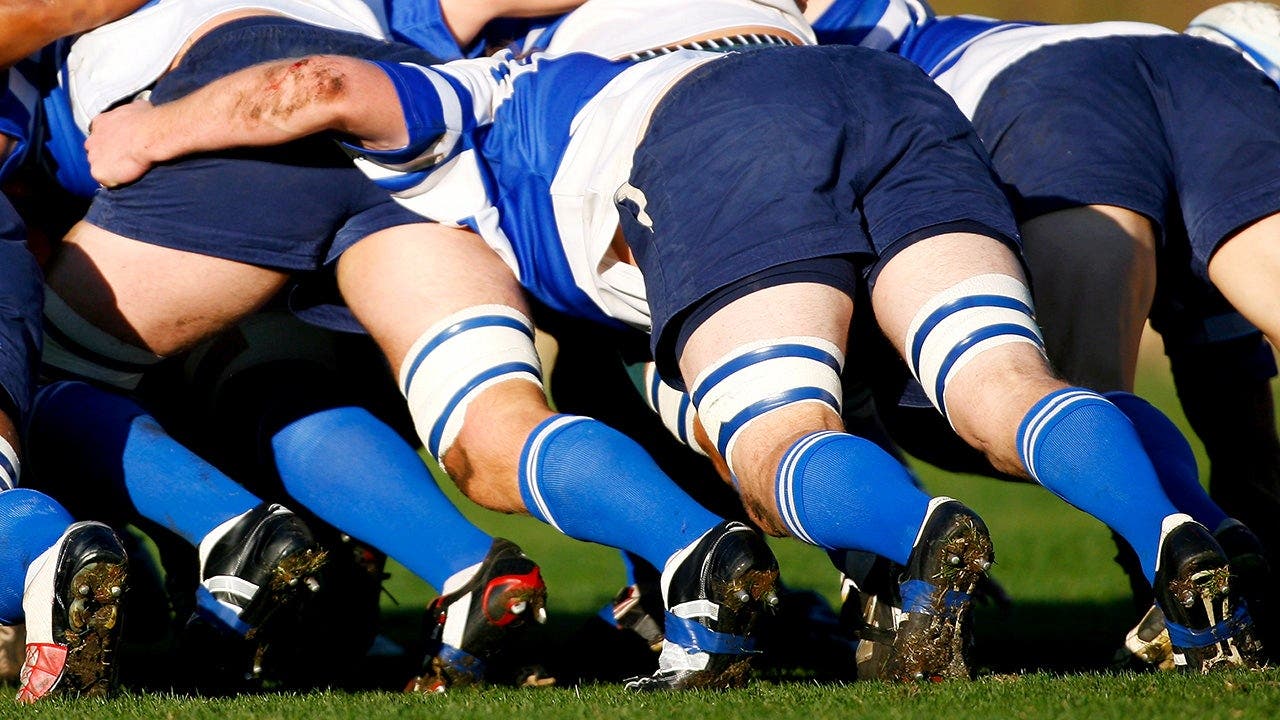
The tragic news of rugby player Eugene Hanna’s death struck the rugby community like a sudden line drive to the gut, reminding everyone just how fragile life is on the pitch. At 30 years old, Hanna was in the prime of his career, playing for the Glenora Bears in New Zealand’s Rugby League. Known for his dedication and camaraderie, he wasn’t just a player; he was a friend, a teammate, and a beloved figure in his local club. Growing up in a place where rugby is more than a sport—it’s a way of life, woven into the fabric of Kiwi culture—Hanna embodied the grit and spirit that defines the game. His passion for the Bears came from years of building bonds with fellow players, coaches, and fans who saw him as a reliable force on the field. Off the pitch, he was the kind of guy who showed up for community events, shared laughs over post-match beers, and supported his mates through thick and thin. His death during the season opener wasn’t just the loss of a player; it was the grieving of a brother by an entire network of people who invested their hearts in the sport. The grief rippled outward, touching not just his immediate circle but the broader rugby world, where stories like his highlight the human cost of pursuing dreams under the lights. In a nation passionate about rugby, Hanna’s passing prompted reflections on the joy the game brings—and the heartache it can inflict. As Chairwoman Janet Hunt shared in her heartfelt Facebook post, he was a “valued player” with “good friends within the club,” underscoring how his absence leaves a void that’s deeply personal. Families across New Zealand Rugby League communities felt a pang of loss, imagining the warm embraces and hearty slaps on the back that defined Hanna’s interactions. This incident serves as a sobering reminder that behind every jersey is a real person with dreams, struggles, and loved ones waiting at home.
The fateful game against the Te Atatu Roosters unfolded under the watchful eyes of the Auckland crowd, where the thrill of rugby collided with an unimaginable horror. It was supposed to be a spirited start to the season, with the Bears gunning for victory and the Roosters defending their turf. Hanna, likely buzzing with adrenaline as he took the field, would have felt the camaraderie of his team, the roar of supporters chanting his name, and the electric tension that makes rugby so exhilarating. But in those chaotic moments of tackles, sprints, and collisions, something went dreadfully wrong. Reports from the club indicate he suffered “unsurvivable” injuries—grievous blows that shattered not just his body but the spirits of everyone involved. Eyewitnesses describe the game pausing in shock, players collapsing to their knees in disbelief as emergency services rushed in. The Roosters’ team, often rivals on the field, sprang into action with selfless compassion, assisting the paramedics and providing support as Hanna fought for his life over the ensuing weeks at Auckland Hospital. Imagine the helplessness of his teammates, pacing the sidelines, praying for a miracle, their season dreams abruptly overshadowed by tragedy. The match, once a battle for points, became a battle for survival, and when hope faded, the rugby world mourned. This wasn’t just an accident; it was a stark wake-up call about how the game’s physicality can exact the ultimate price. Hanna’s ordeal lasted two grueling weeks of intensive care, filled with visits from family, silent vigils from friends, and the quiet desperation of medical teams working tirelessly. His passing on Tuesday left a legacy of resilience in the face of peril, humanizing the sport to show that every player is vulnerable, and every loss cuts deep into the heart of the community.
In the wake of Eugene Hanna’s death, statements from the Glenora Bears and beyond poured out like a flood of shared sorrow, illustrating the tight-knit nature of rugby’s brotherhood. Club Chairwoman Janet Hunt’s Facebook post was a raw, emotional outpouring: “It is with a heavy heart that we inform our members of the passing of Eugene Hanna… Eugene was a valued player… and had good friends within the club.” These words resonated deeply, painting Hanna as more than a statistic—a man whose life touched countless others. She expressed heartfelt gratitude to the Te Atatu Roosters for their on-scene help, the paramedics who battled to save him, and the Auckland Hospital staff who cared for him tirelessly. It was a testament to the unsung heroism in sports, where rivalries dissolve into humanity during crises. The Roosters, in their own statement, extended condolences, highlighting the universal grief that transcends competition. Other clubs, like the Renegades FC of the New Zealand Christian Football League, where Hanna had once played, joined in, sharing memories of his kindness and dedication. This outpouring wasn’t just formal; it was personal, with former teammates recalling old matches, inside jokes, and moments of triumph that now felt bittersweet. Fans and acquaintances left messages of love, turning social media into a digital memorial filled with photos—of Hanna grinning after a win, high-fiving mates, living the rugby life. His sister, brother, and parents were honored in tributes, their world shattered by a loss that no words can fully encapsulate. Through these statements, the rugby community came together, not in victory, but in vulnerability, reminding us that the sport builds families stronger than blood, where the pain of one becomes the burden of all.
The broader rugby community in New Zealand responded with a wave of solidarity and soul-searching, emphasizing how Eugene Hanna’s story reflects larger issues in the sport. Rugby League officials and players from various clubs mourned, sharing their own brushes with danger to honor his memory. Social media exploded with posts from league officials, including the New Zealand Rugby League (NRZL), who issued statements underscoring player safety. They spoke of Hanna as a symbol of the risks inherent in a game that demands bravery, where bodies clash at high speeds and lives hang in the balance. This incident sparked conversations among fans about the need for better protection, emotional support for families, and ways to cherish players beyond their performances. Stories emerged of other players who had suffered similar fates or survived close calls, fostering a collective empathy. Hassallgrove School, his alma mater, remembered him as a boy with big dreams, growing into a man who inspired youth with his commitment. Old friends from past teams shared anecdotes about his infectious enthusiasm, turning grief into gratitude for the time shared. Organizers spoke of fundraisers and memorials in his name, ensuring his legacy lives on through initiatives that promote welfare in sports. The human cost was palpable, with many reflecting on how rugby, while a source of pride, can rob communities of their light. This tragedy united a nation, from rugby die-hards to casual observers, in pondering what it means to play a game so intensely passionate yet perilous.
Focusing on the critical theme of concussion protocols, the New Zealand Rugby League’s Thursday statement brought a layer of advocacy to Hanna’s passing, urging safer practices to prevent future tragedies. They emphasized rigorous head injury guidelines, education, and the importance of seeking medical advice before returning to play—a direct nod to Hanna, who may have played through symptoms in the past, as many athletes do. The league highlighted their year-round efforts: workshops for coaches, apps for tracking injuries, and partnerships with doctors to prioritize brain health. This warning wasn’t just bureaucratic; it was a heartfelt plea born from too many losses like Hanna’s, where concussions lead to severe outcomes. Experts chimed in on social media, sharing data from similar cases, illustrating how untreated injuries can snowball into catastrophe. Players spoke candidly about ignoring signs— headaches, dizziness—to avoid letting down their teams, a culture of toughness that can be deadly. Hanna’s story became a catalyst for discussions on mental health in sports, where stigma often silences athletes fearing sidelining. His death prompted initiatives like awareness campaigns, with leagues mandating baseline cognitive tests and support hotlines. Families affected by concussions shared their struggles, humanizing the data: parents recalling sleepless nights wondering if their child would wake up fine after a game. The call to action extended to fans, encouraging responsible cheering that doesn’t glorify reckless plays. Ultimately, it redefined rugby heroism, shifting from brute force to mindful play, honoring Hanna by potentially saving others from his fate.
As reflections on Eugene Hanna’s life and death echo through the rugby world, the community begins healing while championing change, ensuring his story spurs growth over grief. His 30 years were marked by unwavering dedication, from teenage tryouts to playoff victories, inspiring those around him to pursue their passions fearlessly yet wisely. Tributes from friends revealed a man who balanced toughness with tenderness—comforting rookies after losses, mentoring youth in the club’s juniors. Now, in his absence, the Glenora Bears pledge to honor him with scholarships or memorial matches, turning tragedy into triumph. The broader league embeds his legacy in safety reforms, reducing head injuries through innovative gear and protocols. Families and players alike vow to cherish every moment, hug their loved ones tighter post-game, and advocate for systemic changes. Hanna’s death, while heartbreaking, catalyzes a movement toward a safer rugby culture, where his name symbolizes not just sorrow, but progress. Ordinary Kiwis, from suburban fans to international observers, draw inspiration, prioritizing health in hobbies formerly dismissed as minor risks. In remembering him, we celebrate a life lived fully, urging future generations to play with heart but with safeguards intact, ensuring the sport he loved endures with fewer shadows and more light. His story humanizes the game, reminding us that every tackle, every cheer, carries profound weight, and in loss, we find the strength to support one another forward.