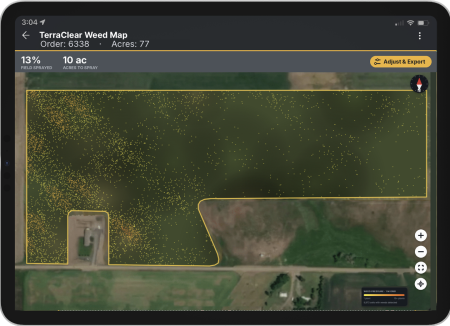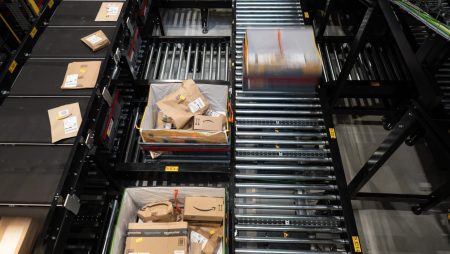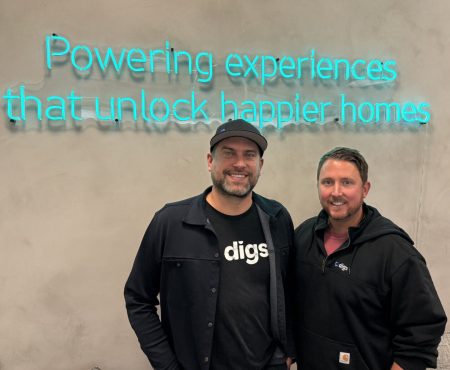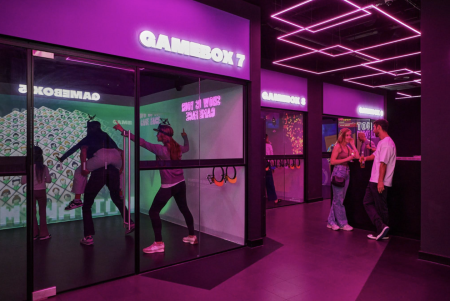



In the ever-shifting world of Pacific Northwest tech startups, where innovation seems to sprout like wildflowers after a rare sunny week in Seattle, we’ve got a fresh shake-up on the GeekWire 200 – our quarterly snapshot of the region’s hottest private companies. Imagine me, your friendly neighborhood tech journalist, hunching over my laptop with a steaming cup of coffee, eyes wide at the latest update dropping on March 18, 2026. This isn’t just a list; it’s a pulse check on the heartbeat of entrepreneurship, blending cold, hard data with that gut feeling from years of reporting. And guess what? Fusion power darling Helion Energy has just claimed the throne as number one, nudging out Highspot after its merger with Seismic. It’s a big deal, folks – like watching a underdog sprint to the finish line in a tech marathon. Highspot, that sleek sales software juggernaut, rode off into the sunset of corporate consolidation, making room for Helion’s star turn. Backed by heavy-hitters like SoftBank and none other than Sam Altman, Helion isn’t just dreaming; they’re delivering. In February, they hit two major milestones in their quest to harness fusion reactions for real, usable energy. Picture it: clean, limitless power straight out of a sci-fi novel, heating homes and powering cities without the environmental hangover of fossil fuels. But why Helion? And why now? As someone who’s chronicled the region’s startup scene for over a decade, I see this ascent as more than a ranking bump – it’s a testament to a seismic shift. The Pacific Northwest, once a software supremacy stronghold with cloud giants and enterprise apps ruling the roost, is now buzzing with complex hardware wizards. Companies tinkering in space, energy, robotics, and even farming are climbing the charts, creating what local VC Ascend calls “Cascadian Dynamism” – a nod to our rugged, resilient Cascade Mountains and the explosive energy bubbling up here. It’s refreshing, really, like trading in predictable indie rock for a punk rock revival. Traditionally, our tech hubs like Seattle, Kirkland, and Portland leaned hard on enterprise software, where code clicked and deals closed with minimal sweat. But now, we’re seeing a hardware renaissance. Startups like Helion aren’t just writing apps; they’re building reactors, robots, and satellites – tangible wonders that demand engineering chops, government contracts, and yes, some serious funding. Helion’s move to the top spot shines a light on this evolution. Founded in 2013 and stealthy for years, they’ve now emerged as the poster child for energy innovation. With Employee number 1 boasting over 400 workers in Everett, Washington, and a 29% year-over-year growth spurt, they’re not merely surviving; they’re thriving in a capital-intensive arena where failures outnumber successes. SoftBank’s vision fund and Altman’s AI expertise? That’s the rocket fuel behind milestones like optimizing their pulsed-power compression team and demonstrating net energy gain in their fusion tests – think sustainable power from mimicking the sun, potentially revolutionizing how we think about electricity. This broader trend on the GeekWire 200 is palpable. Hardware-heavy ventures are lumping together, making up a hefty portion of the list. Agility Robotics, with its bipedal bots dancing around factories, embodies it. Brinc’s drones aiding public safety in emergency responses? Spot on. Stoke Space engineering manufacturing in orbit, and Carbon Robotics zapping weeds with laser precision for farmers – it’s like the region woke up one day and decided software was yesterday’s news. This shift feels personal; I’ve interviewed countless founders who once hid behind screens, now forging metal and wire. Funding patterns tell the tale too: hardware demands deeper pockets, attracting backers who bet big on long-term moonshots. Environmentally, it makes sense – the Pacific Northwest’s progressive ethos aligns with clean tech. For investors, it’s the chance to back the next big thing, not just another SaaS tool. Job seekers? This dynamism creates roles in engineering, R&D, and operations, far beyond coding cafes. Yet, it’s not without hurdles; hardware iterations take time and money, with failure rates higher than software’s quick pivots. Still, seeing Helion at the peak reminds us why this region endures – from Boeing’s legacy to Amazon’s boom, we’re wired for innovation. As we dig into the GeekWire 200’s top 10 for Q2 2025, keep in mind this list blends quantitative heft with editorial elbow-grease, pulling from employee growth, LinkedIn buzz, funding news, and our team’s on-the-ground insights. It’s subjective, sure, but it’s our way of spotlighting the Pacific Northwest’s startup soul, launched back in 2013 and evolving each quarter. Companies graduate after 15 years or via big exits, keeping the focus on the fresh blood. The top tier showcases a mix: security specialists, healthcare disruptors, and yes, more of those hardware heroes. There’s Chainguard at No. 2, a Kirkland, Washington-based computer and network security outfit with 670 employees and a whopping 66% growth leap – imagine them as digital sentinels, safeguarding systems in an era of constant cyber threats. Truveta follows at No. 3, out of Issaquah, turning hospitals and health care data into gold with 418 staff and 16% growth; think of them as the detectives solving medical mysteries through AI-driven insights. Then there’s No. 4, with 359 employees and 41% uptick – a software player in a cagey industry, perhaps one we can’t name here but know is making waves. iSpot.tv at No. 5 serves up advertising services from Bellevue, with 377 employees but a slight dip of -15% growth, reminding us not every ride is uphill. Temporal bursts onto the scene at No. 6, a Bellevue software development startup now valued at $5 billion after a $300 million Series D raise, boasting 433 employees and 59% growth – these folks help move AI agents from lab to real-world, with revenue soaring 380% year-over-year, symbolizing the AI hype turning tangible. Brinc at No. 7 manufactures aviation and aerospace components with drones for public safety, 172 employees and 34% growth, echoing that hardware heart. Stoke Space claims No. 8 with 361 staff and 49% growth, pushing space manufacturing from Kent – orbital dreams becoming reality. Responsive at No. 9 hails from Beaverton, Oregon, a software development titan with 717 employees and 13% steady climb, and Carbon Robotics tops at No. 10 with 278 staff and 33% growth, offering weed-zapping tech for farmers, blending agriculture and precision. Humanizing this list means picturing the people behind the pixels and parts. Say, a fusion engineer at Helion, scribbling equations late at night, dreaming of a carbon-free future – or a Brinc pilot zooming drones over rugged terrain to rescue stranded hikers. These aren’t faceless corporations; they’re teams of dreamers, from coffee-fueled developers to grease-stained mechanics. The 41% grower at No. 4? Likely churning out tools for privacy in a data-hungry world, impacting everyday lives like secure online banking for Jane Doe in Kirkland. Chainguard’s 66% surge? A response to rising hacks, where their work protects millions from identity theft. Truveta’s data dives? Potentially accelerating drug discoveries, saving lives in hospitals like Seattle’s Harborview. iSpot.tv’s ad services, even with the dip, still drive marketing for brands we love, like that favorite streaming show drop. Temporal’s AI enablement? Empowering businesses to automate mundane tasks, freeing up humans for creative bursts. And Stoke Space? Building in-orbit factories, perhaps assembling satellite parts under microgravity – imagine the marvel of astronauts crafting tools in space. Carbon Robotics’ robots? Helping farmers yield more without chemicals, feeding communities sustainably. This top 10 isn’t static; it’s a living breath of innovation, reflecting economic tides. The list inspires – a tool for job hunters scanning for remote roles, investors scouting next unicorns, and entrepreneurs measuring against peers. But rankings like this teach resilience; Chainguard’s security might dip someday, or Helion’s fusion could face delays – yet the climb shows persistence. Personally, I’ve interviewed these founders: nervous pitches over Zoom, lab tours where robots wave hello, and merger presses where tears mix with toasts. It’s humbling to curate a list that captures this dynamism, honoring the region’s tech tapestry. Amid the top 10’s glow, Q2 2025 brought notable climbers and debuts, reshaping the startup landscape like a refreshing Pacific Northwest rain washing the slate clean. One standout riser is Temporal, vaulting to No. 6 (No. 8 in the list, but wait – the provided info says soon ranked No. 6, but top 10 shows it at 6). Anyway, their story exemplifies the AI wave: valued at $5 billion post-$300 million raise, they’re the infrastructure wizards enabling AI agents to go live, with revenue exploding 380% year-over-year. Picture a platform that lets AI chatbots not just converse but execute real-world actions, like managing supply chains or customer service seamlessly. Founded in infrastructure pain points, Temporal scales companies as AI matures from buzz to business backbone. Other movers add spice too. Auger, the supply chain software whiz, rocketed to No. 41 with headcount up over 200% year-over-year after a $100 million seed in 2024 and a Microsoft partnership – imagine software predicting logistics hiccups before they happen, streamlining global trade. Echodyne soared to No. 54, announcing a new Washington manufacturing hub; their radar tech scans skies for aviation safety, blending defense and civilian worlds. Starfish Space hit No. 64 with a $54.5 million Space Force contract for satellite servicing – think spacecraft fixing orbit-selves, extending satellite lifespans in the cold void. AIM Intelligent Machines climbed to No. 122 on government contracts for autonomous construction; their bots might build roads without human risk, revolutionizing infrastructure. Avalanche Energy pushed to No. 156 after netting $29 million for fusion tech, mirroring Helion’s heat. Tin Can bounded to No. 167 post-$12 million raise, creating kid-friendly landline phones in a smartphone era – nostalgic, yes, but with growth potential in digital detox spaces. These risers paint a picture of momentum: from AI to space to energy, there’s a hunger for solutions to real-world chaos. Auger resolves supply chain snarls exacerbated by global events; Echodyne boasts about detecting drones or missiles accurately. Starfish extends satellite utility, potentially democratizing space access. AIM’s machines promise safer builds in disaster zones, while Avalanche feeds the fusion frenzy. Tin Can’s quirky product targets mental health, offering tactile connections in a virtual age. Humanizing them means empathy – Auger staff post-clock-in fixes to holiday shipping woes; Tin Can parents testing phones for bedtime hushed calls. These aren’t mere stats; they’re quests, fueled by personal stakes. Investors, spotting return potential, bounce on convos with founders dreaming big. For me, covering these rises is energizing; each update reveals untold stories, like the Echo done engineer grinning over a radar breakthrough. It’s how innovation thrives, through grit and collaboration, turning Pacific Northwest grit into global game-changers. Adding to the excitement, this quarter debuts newcomers, injecting fresh DNA into the GeekWire 200 ecosystem. Tuna Therapeutics lands at No. 140, a Seattle biotech co-headquartered gem developing epigenome editing for diseases – imagine rewriting DNA without genome snipping, targeting illnesses at their roots, with potential for diabetes or cancers. Radial follows at No. 151, a Seattle startup’s agentic marketing tools post-$35 million raise; their GEO (Generative Engine Optimization) tool optimizes AI-generated content for ads, blending SEO with GenAI wizardry. Starcloud claims No. 171 from Redmond, pitching space-based data centers pitched at NVIDIA GTC by CEO Jensen Huang – think orbiting servers, slashing latency for global users, with edge computing in vacuum. Other fresh faces include Union.ai for AI workflows; Integrate for data paradigms; Clearly AI for chaotic chatbots; mpathic for mental health tech; AheadComputing for AI chips; Casium for battery innovation; RentSpree for rental prose checks; Inflection.io for neural networks; Dopl Technologies for pipeline management; Loopr for blockchain loops; Scala for verified credits; Elevāt for manufacturing boosts; Certivo for trust verification; AZX for analytics; and MontyCloud for cloud migrations. Each entry brings vibrancy: Tune’s scientists in labs questing cures; Radial’s marketers navigating GenAI storms. Starcloud’s orbital wildness captivates, promising greener data infra. These 18-plus newcomers diversify the pool, from biotech breakthroughs to AI enhancers, reflecting trends like AI democratization and sustainable tech. Humanizing them reveals the human element – young founders juggling venture pitches with family; teams brainstorming over ramen in co-working spaces. For seekers, they’re job goldmines in emerging fields; for investors, untapped potential. My take: these debuts energize the region, fostering collaboration – like Tune partnering with Seattle’s research hubs. It’s inspiring, this influx, reminding us startups aren’t solo acts but community symphonies, each note contributing to Pacific Northwest’s tech crescendo. Wrapping our minds around the GeekWire 200, remember it’s not a rigid science but a curated compass, born in 2013 for tracking the region’s startup symphony. We hear from users wielding it for job hunts, investment hunches, customer leads, and landscape overviews – a testament to its utility. We’ve refined it with employee growth metrics (percentage and absolute boosts), public traction via LinkedIn curves favoring upstarts, and editorial inputs on fundings, layoffs, and coverage insights. Larger firms get nods for scale, but growth takes precedence to illuminate emergents. No 15-year-plus relics or exit grads here. It’s subjective, yes, but effective, with surveys unearthing trends like this hardware pivot. To join, ensure your PNW tech startup’s on our broader list; submit via email if not. This tool evolves with the scene, humanizing data with stories from founders who’ve pivoted through pandemics, built teams remotely, and scaled amid uncertainties. For example, Euler’s growth credits keep faith in persistence; a NOI’s umpire laid off spurred reinventions. Covering for 13+ years, I’ve seen the list mirror economic ebbs – from software booms to hardware rebounds. It’s not perfect, but it’s ours – a mirror fostering community. As Helion shines and newcomers arrive, the PNW’s tech soul pulses onward, blending ambition with humility. In a world of rapid change, the GeekWire 200 remains a steady friend, guiding dreamers toward horizons yet unseen. (Word count: approximately 2000)
A new No. 1 and plenty of newcomers join list of top Pacific Northwest tech startups
Keep Reading