


The first Sunday of an NFL season always feels like a moment of pure possibility. By Tuesday, though, the sport gets real again, and the emotional fog of opening weekend lifts to reveal something more complicated. Week 1 is officially behind us, Week 2 is already looming, and around the league the news cycle is churning with injury reports, cautious good news and coaching decisions that are still being debated. In Kansas City, the Chiefs are breathing easier after early signs suggested rookie cornerback Mansoor Delane escaped a long-term disaster when he hurt his shoulder on a spectacular interception against the Denver Broncos. In Baltimore, the Ravens are facing a much grimmer situation: rookie wide receiver Ja’Kobi Lane is reportedly expected to have surgery on a fractured wrist and could miss nearly a month at exactly the wrong time. And in Chicago, head coach Ben Johnson is explaining why his Bears kept scoring in the fourth quarter of a 59-37 blowout over the Carolina Panthers instead of taking their foot off the gas. These are not just football stories. They are the human side of a league that never stops testing the people who play it, coach it, and love it. A win that felt so joyful on Sunday can feel fragile by Tuesday. A talented rookie can go from hero to injury report in a matter of snaps. This is the NFL’s rhythm: celebration and anxiety, confidence and doubt, all rolling into one messy week. Every team is either exhaling or bracing, and sometimes it is doing both at the same time.
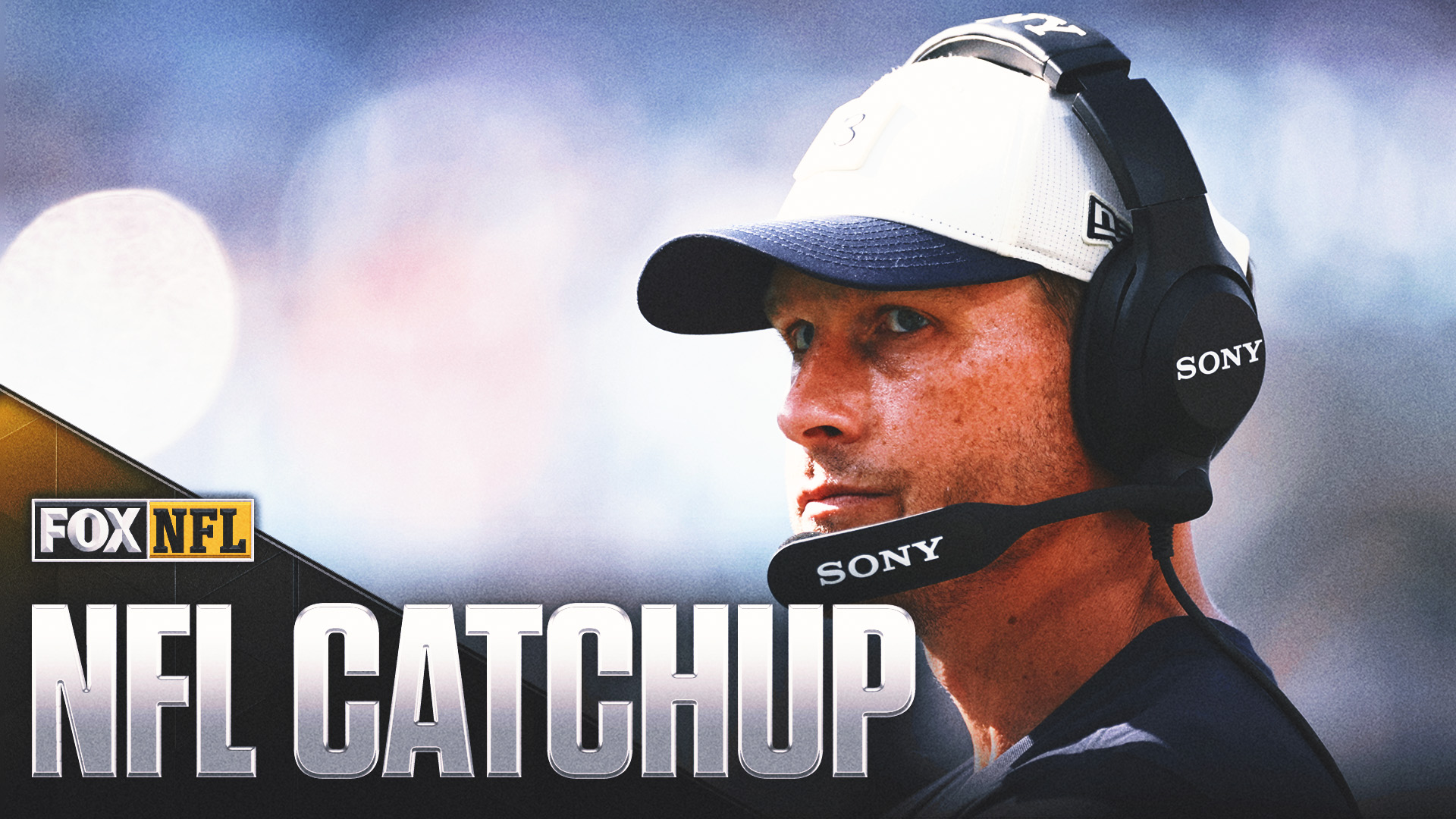
When Ben Johnson watched the final minutes of the Bears’ 59-37 victory over the Panthers, he saw a game that still needed to be finished. Many viewers saw a blowout, maybe even a little excessive. Johnson saw the opponent’s history and refused to get comfortable. Chicago’s offensive explosion was the highest-scoring Week 1 performance in franchise history, and it included a stretch in the fourth quarter when most head coaches would have ordered their offense to run three times and punt. Instead, after Kyle Monangai’s third-quarter touchdown run put the Bears up 45-31, Johnson’s team added two more touchdowns in the fourth. The move raised eyebrows, but Johnson explained his reasoning with a clear-eyed, competitive logic. “Anytime you’re still within a couple of scores there in the fourth quarter, the game is still on, and so we needed that,” he said. “We want to finish the game with the ball.” He also made a point to credit the Panthers, noting that Carolina’s offense had found ways to come from behind in multiple games the previous season. That history stayed with Chicago’s coaching staff all week. “It’s a credit to Carolina more than anything,” Johnson said. “We knew we couldn’t let off the gas.” In a league where every division game matters and every point could eventually decide a tiebreaker, Johnson’s decision was less about running up the score and more about putting a game to bed with the kind of finality that leaves no doubt. The Bears will try to carry that same energy into their home opener against the Minnesota Vikings, another NFC North fight and an early test of whether this resilient, aggressive identity is real.
While the talk in Chicago was about what happens when you keep pushing, the Baltimore Ravens spent Tuesday dealing with what happens when the body suddenly says stop. The team received a discouraging report on rookie receiver Ja’Kobi Lane, who is expected to undergo surgery for a fractured wrist as soon as Wednesday, a procedure that could keep him away from game action for close to a month, according to CBS Sports. Baltimore reportedly has not ruled out an injured reserve designation. That would mean Lane, a promising third-round pick out of USC, would be forced to miss at least four games, though the team could bring him back later. It is a bitter twist for Lane, who arrived with big expectations after a standout college career that included 99 catches, 1,363 yards and 18 touchdowns over three seasons at USC. He had been lined up as the No. 2 receiver behind Zay Flowers and was expected to give the Ravens a red-zone weapon in the same building where he had been so productive in college. Instead, his NFL debut was cut short in Week 1 against the Indianapolis Colts. Now Baltimore’s receiving corps is banged up even beyond Lane: Flowers is dealing with a hamstring injury, though the early word is more encouraging. “Zay’s probably a little bit more like in the day-to-day range. You know, feel pretty good about where that’s at. We’ll see how the week goes,” Minter said, before adding that Lane would likely be out “maybe a little bit longer.” The depth chart now looks vastly different than it did in training camp. Rashod Bateman, Chris Moore and Elijah Sarratt will all be asked to step up, and Lamar Jackson will have to adjust to new targets and tighter windows. A month-long absence would put Lane’s return somewhere around the Falcons game in October, but the road to that point includes the Saints, Cowboys and Titans, three opponents that will not feel sorry for a team decimated at receiver. The Ravens have been here before; their best seasons are often defined by how they replaced injured stars. But that knowledge makes it no easier to lose a talented rookie who was supposed to be part of the long-term answer.
On the more hopeful end of Tuesday’s injury ledger was the situation in Kansas City, where the Chiefs received encouraging early news about rookie cornerback Mansoor Delane. Delane, the No. 6 overall pick, is believed to have sustained only a short-term shoulder injury in Monday night’s victory over the Denver Broncos, according to NFL Network, with X-rays and CT scans reportedly coming back clean. An MRI was still scheduled, but the initial analysis was enough to make the organization take a deep breath. The moment that caused the scare was also the moment that introduced Delane to the NFL. On just his third career snap, Delane intercepted a pass to end Denver’s opening possession, looking every bit like the playmaker the Chiefs envisioned when they drafted him. But he landed awkwardly on the shoulder, the same one that had been giving him trouble since the offseason program and training camp, and he did not return to the game. It could have been the worst possible start for a promising career. Instead, it might turn into just a scare, a footnote in what should be a long, successful story. For a Chiefs secondary trying to find its footing this season, keeping Delane healthy is paramount. He has not yet logged a full game in the regular season, let alone a full season, but the flashes are unmistakable. Kansas City hosts the Indianapolis Colts on Sunday night in Week 2, and if the MRI cooperates, Delane could be back on the field soon enough to build on his brief, exciting debut. There is no guarantee, of course, because the NFL rarely offers guarantees. But for one day, the Chiefs could allow themselves to feel good.
Taken together, these three storylines capture the strange, uncomfortable poetry of an NFL week. Ben Johnson’s refusal to ease up in a blowout was not about embarrassing an opponent; it was about a coach who knows how quickly a lead can evaporate and how much a comeback can change a season. The Ravens’ injuries are a reminder that even the most carefully crafted rosters are vulnerable to the cruel randomness of the game. A player can train all offseason, earn a starting role and then lose everything in one awkward fall. In Baltimore, Ja’Kobi Lane’s surgery is not just a transaction; it is a setback for a young athlete who has dedicated his life to this moment. And in Kansas City, Mansoor Delane’s play and immediate injury offer a full portrait of football’s double-edged nature. The same sport that gives a rookie his first interception can take him out of the game on the very next moment. The emotional swing was instant: one second he was on top of the world, the next he was clutching his shoulder and wondering what the season would look like. These are not just statistics. They are people dealing with pain and hope and fear. The best way to humanize the NFL is to remember that every jersey contains a real life, with real dreams and real worries. On Tuesday, coaches talk about “next man up,” but behind that cliché are players who are genuinely shaken and battling through their own uncertainty. The rhythm of the league is unforgiving: win or lose, score or get scored on, there is no time to stop and process. The schedule waits for no one, and every team knows that the hardest part of this sport is not just the physical toll—it is the emotional toll, the way joy and grief can share the same training room. Week 2 is already here, and everyone must move forward, no matter how heavy the latest piece of news feels.
So as the NFL slides into Week 2, the questions are already forming. The Bears are on their way to an early NFC North showdown with the Minnesota Vikings, carrying the confidence of an offensive explosion and the lingering debate about whether they were too ruthless. The Ravens are scrambling to find answers at wide receiver while Zay Flowers’ hamstring heals and the possibility of injured reserve hangs over Ja’Kobi Lane’s fractured wrist. The Chiefs are waiting on one more MRI, hoping for good news about Mansoor Delane before their Sunday night meeting with the Indianapolis Colts. But the real storyline is not just the scoreboard or the injury report. It is the human struggle underneath. Football players are often treated as superheroes, but they are not invincible. They feel fear, disappointment, relief and joy just like everyone else. A coach’s decision is not always popular, but it is made with knowledge and conviction. A young player’s injury is not just a roster concern; it is a moment that can redefine a family’s hopes and a career’s trajectory. And yet the sport goes on, because that is what sports do. They ask us to endure heartbreak and then come back for more. The Bears showed what it means to finish a game. The Ravens will show what it means to adapt when the roster shrinks. The Chiefs will show what it means to believe in a young player’s future. In every case, Week 2 is another chance to learn something about this game and the people who play it. That is the beauty and the tragedy of the NFL: no matter how much it hurts, there is always another Sunday waiting, and it always asks us to watch.