






The tragic history of how scientific institutions handle human remains was thrust back into the spotlight in 2021. Investigative journalists revealed that the University of Pennsylvania had kept the remains of two Black children, 14-year-old Katricia “Tree” Africa and 12-year-old Delisha Africa, in a cardboard box on a shelf for decades without their family’s consent. The children were victims of the infamous 1985 MOVE bombing in Philadelphia, when police dropped a makeshift bomb on a residential row house occupied by a Black liberation and animal rights group, killing eleven people and destroying an entire neighborhood. Rather than receiving a dignified burial, the physical remnants of these children were used as academic teaching tools, highlighting a long-standing and deeply painful trend of researchers treating marginalized bodies as property rather than people.
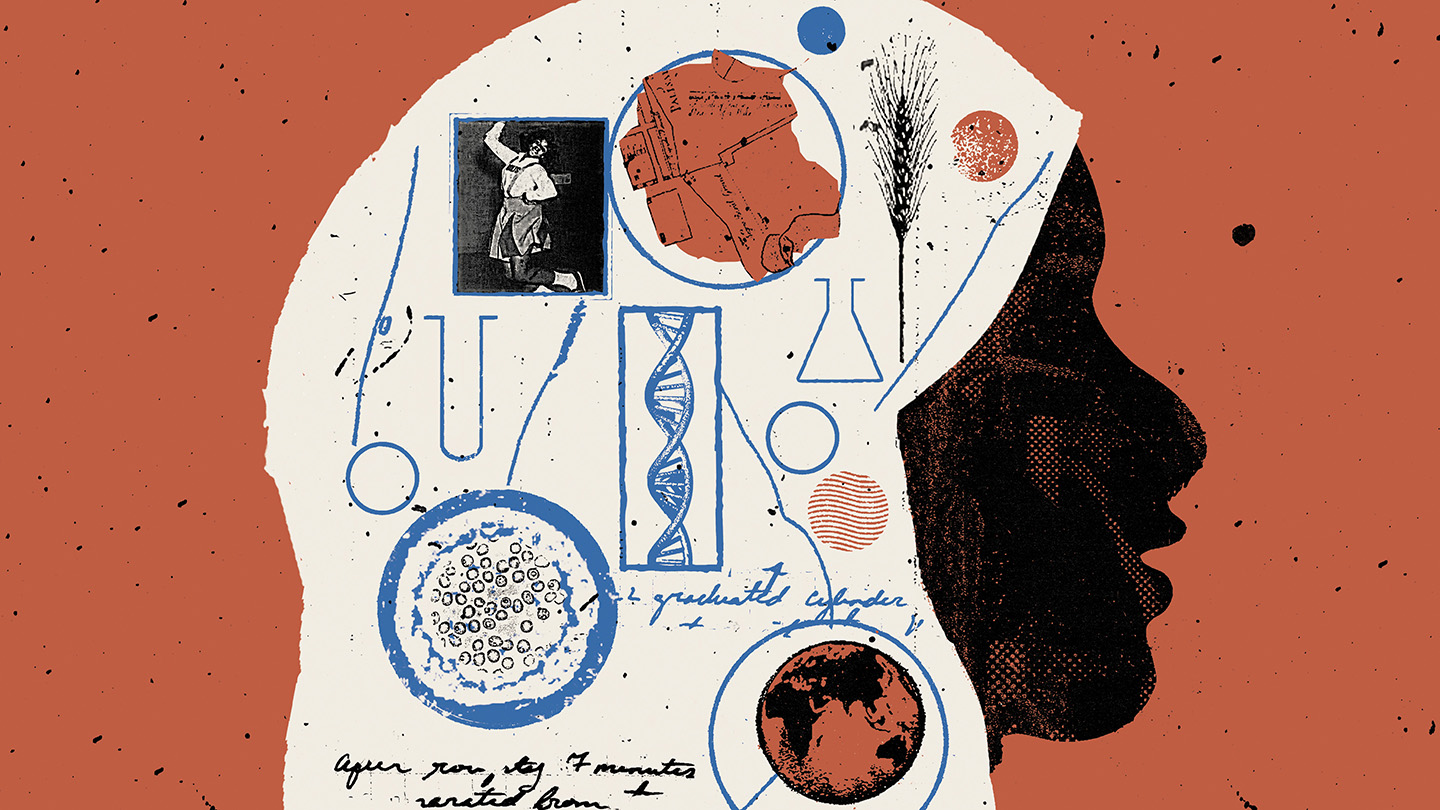
Dr. Fatimah Jackson, a pioneering biological anthropologist who recently retired from Howard University, has spent her career confronting this dark legacy. Raised in Denver’s racially diverse but systematically redlined Five Points neighborhood, Jackson grew up witnessing how disenfranchised communities were repeatedly marginalized. This early awareness of social inequity drew her to biological anthropology, a field traditionally dominated by Eurocentric perspectives that historical figures like Samuel George Morton used to justify pseudoscientific theories of white supremacy. Her academic journey took her from the University of Colorado Boulder to Cornell University, and eventually to Africa, where a near-death battle with malaria in Tanzania inspired her to dedicate her doctoral studies to genetics and disease adaptation.
Throughout her career, Jackson consistently challenged major scientific initiatives that ignored minority populations. During the revolutionary Human Genome Project of the 1990s and 2000s, she pointed out that the research relied almost entirely on DNA from individuals of European descent, effectively writing African Americans out of baseline clinical and genetic datasets. In response, Jackson advocated for broader representation and pioneered “ethnogenetic layering,” a research model designed to map genetic variation within complex, admixed populations without resorting to simplistic racial categorization. Her research at Howard University also explored epigenetics, demonstrating how the chronic stress of systemic racism and historic enslavement could alter gene expression and accelerate biological aging in African Americans.
Following the public outcry over the MOVE bombing revelations, the American Association of Biological Anthropologists turned to Jackson and evolutionary biologist Benjamin Auerbach to lead a national task force. Their mission was to develop ethical guidelines for managing legacy collections of human remains, which at institutions like the Smithsonian alone number in the tens of thousands. While some activists demanded an absolute halt to all skeletal research, Jackson sought a more balanced, community-first approach. She believed that descendant populations had a fundamental right to be active partners in science rather than passive subjects, arguing that the relationship between researchers and communities must be built on ongoing communication and mutual respect.
To ensure the guidelines were rooted in real human perspectives, Jackson utilized her students at Howard University to conduct focus groups. Over four years, these students interviewed more than 3,000 African Americans across 35 states to learn how they wanted their ancestors’ remains treated. The feedback was overwhelmingly clear: communities demanded that scientists seek explicit permission before utilizing ancestral bones and requested regular updates on any ongoing research. The resulting recommendations, published in early 2024, set a new ethical standard. They urge academic institutions to thoroughly inventory their collections, identify descendant communities, and secure explicit consent before conducting any scientific studies.
Dr. Jackson’s work represents a profound shift toward restorative justice in biological anthropology, though significant challenges lie ahead. Rebuilding trust will take time, especially given historical medical atrocities like the Tuskegee syphilis study, and current political shifts threaten funding for social justice initiatives. Nevertheless, Jackson remains optimistic that a permanent foundation has been poured for ethical science. By actively involving communities in the preservation of their own history, her efforts are finally giving a voice to those who were silenced for centuries, ensuring that ancestors are treated with the dignity and humanity they were denied in life.