






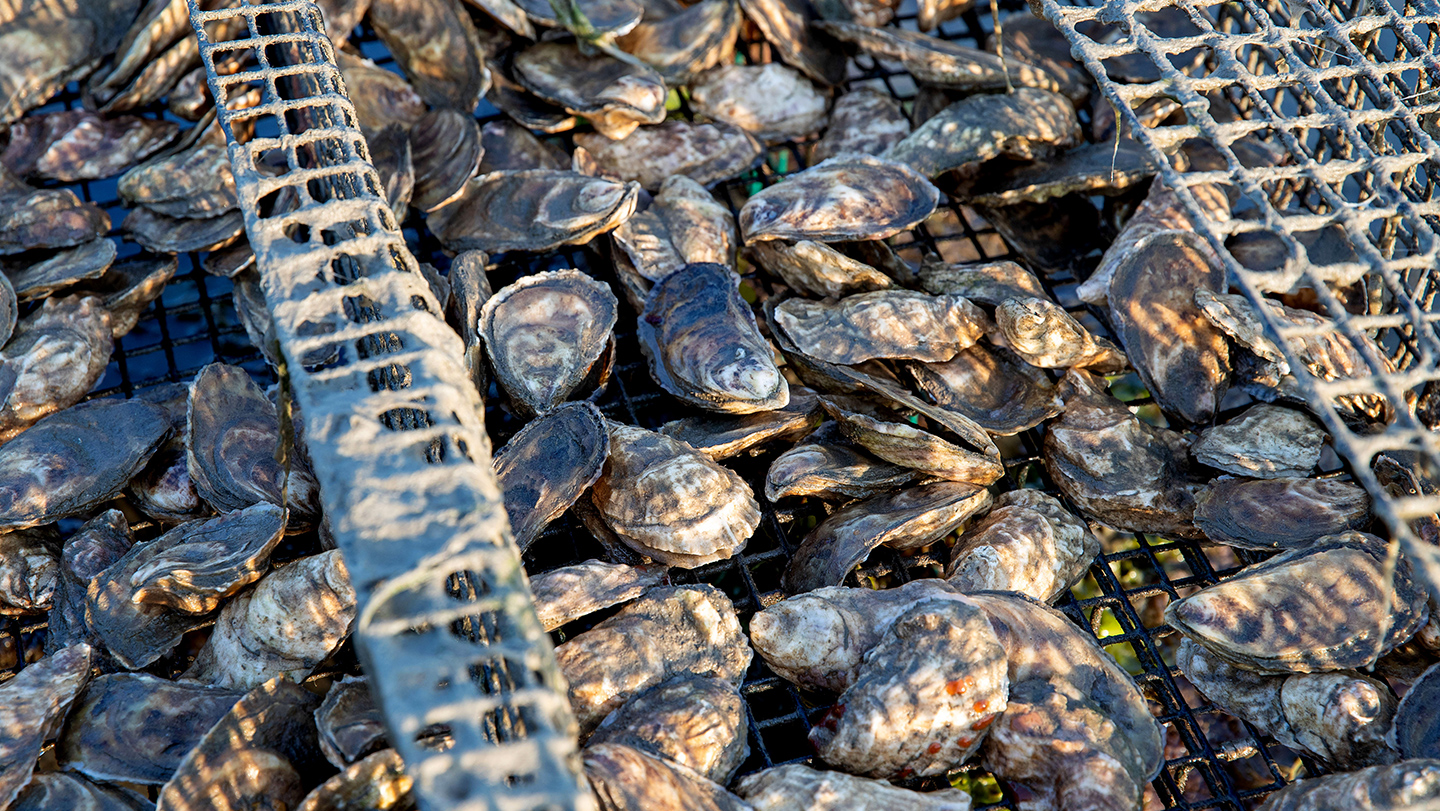
When summer’s radiant warmth spreads across the world’s coastlines, it brings more than just beachgoers, surfers, and sunny days; it also catalyzes one of nature’s most silently perilous environmental phenomena. Along coastlines across the globe, particularly in the United States, microscopic marine algae can rapidly multiply under the right combination of sunlight, nutrients, and temperature, culminating in massive, vibrant occurrences known as harmful algal blooms. While these blooms can sometimes look beautiful from a distance, painting the water in deep hues of red or green, they harbor a dark secret: they release an incredibly potent, fast-acting neurotoxin known as saxitoxin. For the diverse array of marine wildlife that call these coastal waters home, the toxin is an absolute death sentence, rapidly working its way up the food chain as smaller organisms are consumed by larger predators. Humans inadvertently step into this lethal cycle when they harvest and consume filter-feeding shellfish—such as mussels, clams, and oysters—that have concentrated the poison in their tissues as they feed on the surrounding algae. The resulting medical emergency, known as paralytic shellfish poisoning, is a terrifying experience marked by intense nausea, full-body tingling, numbness, and, in severe cases, life-threatening respiratory paralysis. Because saxitoxin is so exceptionally lethal and acts with such terrifying speed on the nervous system, it is formally classified as a chemical weapon under international law. Historically, medical professionals have had very little to offer victims of this poisoning beyond basic supportive care. When a patient can no longer breathe on their own because their chest muscles have been paralyzed, doctors must rely on mechanical ventilators and artificial oxygen delivery, desperately waiting for the patient’s body to naturally clear the poison over several grueling days. Without a targeted pharmaceutical countermeasure, the battle against paralytic shellfish poisoning has always been a race against time, leaving coastal communities, seafood lovers, and commercial harvesters at the absolute mercy of unpredictable algae growth.
In the search for a savior against this formidable oceanic threat, scientists have looked past traditional synthetic laboratory chemicals and turned their attention to the natural world, discovering an unexpected hero in the American bullfrog (Rana catesbeiana). This robust amphibian, celebrated more for its deep, resonant croaks and muddy pond-dwelling lifestyle than its medical utility, regularly navigates freshwater ecosystems that frequently play host to cyanobacteria blooms—the freshwater cousins of toxic marine algae. Over countless generations of intense evolutionary warfare, the bullfrog has quietly developed an extraordinary internal defense mechanism to survive in these toxic environments without succumbing to the poison. Researchers discovered that the frog produces a highly specialized, naturally occurring protein called saxiphilin, which circulates in its bloodstream and organs, acting as a molecular bodyguard. Rather than letting the deadly saxitoxin run rampant through its body and shut down its nervous system, the bullfrog uses saxiphilin like a highly efficient molecular sponge, identifying the toxin molecules almost instantly and absorbing them before they can cause any physiological damage. This evolutionary marvel of natural immunity has caught the attention of modern biophysicists, who saw in the bullfrog a potential blueprint for a human cure. If this amphibian protein could bind and neutralize saxitoxin in the wild, there was a compelling chance it could be isolated, synthesized, and deployed as a life-saving therapeutic for humans who have accidentally consumed contaminated seafood. This beautiful bridge between ecological adaptation and medical innovation highlights how the natural world has already solved some of our most complex scientific dilemmas, waiting only for us to observe, learn, and adapt these biological secrets for our own survival.
To test this biological defense system under controlled conditions, a team of dedicated researchers led by biophysicist Daniel Minor of the University of California, San Francisco, designed a groundbreaking study recently published in the prestigious journal Nature Communications. The scientists aimed to determine whether the bullfrog’s protective protein could successfully transition from an amphibian’s cold-blooded system into the warm, complex physiology of a mammal. Using mice as a biological stand-in for humans, the researchers set up a high-stakes experiment where they injected thirteen subject mice with a dose of saxitoxin that would normally be completely lethal. Within a mere three minutes of receiving the toxin, almost all of the untreated mice developed severe limb paralysis, rapidly losing the physical ability to expand their lungs and draw in oxygen, which ultimately led to their demise. However, the true breakthrough occurred when the researchers introduced saxiphilin into the equation. In a separate group of ten mice, the scientists administered a rescue injection of the bullfrog-derived protein just one minute after the lethal saxitoxin dose had been introduced. The results were nothing short of miraculous: nine out of the ten treated mice made a full recovery, completely avoiding the fatal paralysis that claimed the others. Additional testing confirmed that the protein was equally effective when administered as a preemptive prophylactic before exposure, or when mixed directly with the toxin itself, proving that saxiphilin is an incredibly robust, versatile, and fast-acting antidote capable of operating seamlessly within mammalian biology.
Understanding how saxiphilin achieves such dramatic rescue rates requires a deep dive into the microscopic landscape of our nervous systems, where a delicate dance of electrical signals controls every movement we make. Under normal circumstances, nerve cells communicate with muscles by sending electrical impulses along their membranes, a process regulated by tiny, gate-like structures called sodium ion channels. When these gates open, sodium ions rush into the cell, triggering the electrical chain reaction that ultimately commands our muscles to contract, beat, or breathe. Saxitoxin is exceptionally deadly because it acts like a physical plug, wedging itself directly inside these sodium channels and completely blocking the flow of ions. When the gates are sealed shut by the toxin, the electrical signals fall silent, leaving the brain unable to communicate with the body and resulting in rapid, flaccid paralysis. This is where the bullfrog’s saxiphilin protein stages its heroic intervention. When introduced into the bloodstream, saxiphilin displays an incredibly high affinity for saxitoxin, physically seeking out the toxin molecules and wrapping around them in a tight molecular embrace. By acting as a competitive sponge, the protein safely snatches the saxitoxin away before it ever has a chance to reach and clog the delicate sodium channels of the nerve cells. Once securely bound within the protective folds of the saxiphilin protein, the neutralized toxin is safely escorted through the body’s circulatory system, destined to be broken down harmlessly or excreted before it can exert its paralyzing grip.
While the success of these mouse trials represents a monumental leap forward in toxicology, translating these laboratory findings into practical medical treatments for human patients requires addressing several real-world logistical challenges. Evolutionary biologist Rebecca Tarvin of the University of California, Berkeley, points out that while a one-minute post-exposure injection window works perfectly in a controlled laboratory setting, it is highly unrealistic for a human who has unknowingly consumed bad shellfish. In the real world, a person eating contaminated seafood does not immediately know they have been poisoned; they typically begin experiencing the first subtle symptoms, like a tingling sensation around the mouth, several hours after their meal. However, this delay may actually work to our advantage, as humans generally ingest far lower doses of the toxin relative to their body weight than the extreme, fast-acting lethal doses administered to the experimental mice. This slower onset of symptoms provides a vital window of opportunity, giving patients ample time to realize something is wrong, seek emergency medical care, and receive a therapeutic dose of saxiphilin at a hospital long before the paralysis reaches their respiratory muscles. Evolutionary biologist Matthew Holding of the University of Michigan agrees that even at relatively low ratios of the protein to the toxin, saxiphilin’s incredible efficiency makes it a highly viable candidate for a human rescue therapy. This means that a single, timely injection of the synthesized protein could potentially halt the progression of paralytic shellfish poisoning in its tracks, turning a historically terrifying and potentially fatal emergency into a highly manageable medical situation.
Looking toward the horizon, the research team is eager to expand on these findings, but they recognize that several critical hurdles must be cleared before saxiphilin can be safely added to a doctor’s emergency toolkit. Biophysicist Daniel Minor emphasizes that future studies must thoroughly evaluate the safety of introducing this foreign, amphibian-derived protein into the human body to ensure it does not trigger dangerous immune responses or adverse side effects. Furthermore, saxitoxin does not exist in a vacuum; the algae blooms produce a variety of different chemical strains of the toxin, some of which are even more potent than the primary compound, requiring rigorous testing to ensure saxiphilin can defend against all of these diverse natural variants. Beyond creating a treatment for those already poisoned, Minor envisions a highly practical, proactive application for this research: utilizing the unique binding properties of saxiphilin to develop an inexpensive, rapid diagnostic test. Such a tool would allow seafood harvesters, coastal communities, and regulatory agencies to test shellfish catches directly on the dock, identifying contaminated seafood in a matter of minutes rather than waiting days for complex laboratory results. Ultimately, this research opens up a fascinating, much broader biological conversation about how nature designs its own defense systems. By studying how different animals have evolved to resist the lethal biochemical weapons produced by plants, algae, and fungi, scientists may unlock an entirely new frontier of medicine, discovering novel molecules capable of shielding humanity from some of the most deadly poisons on Earth.