







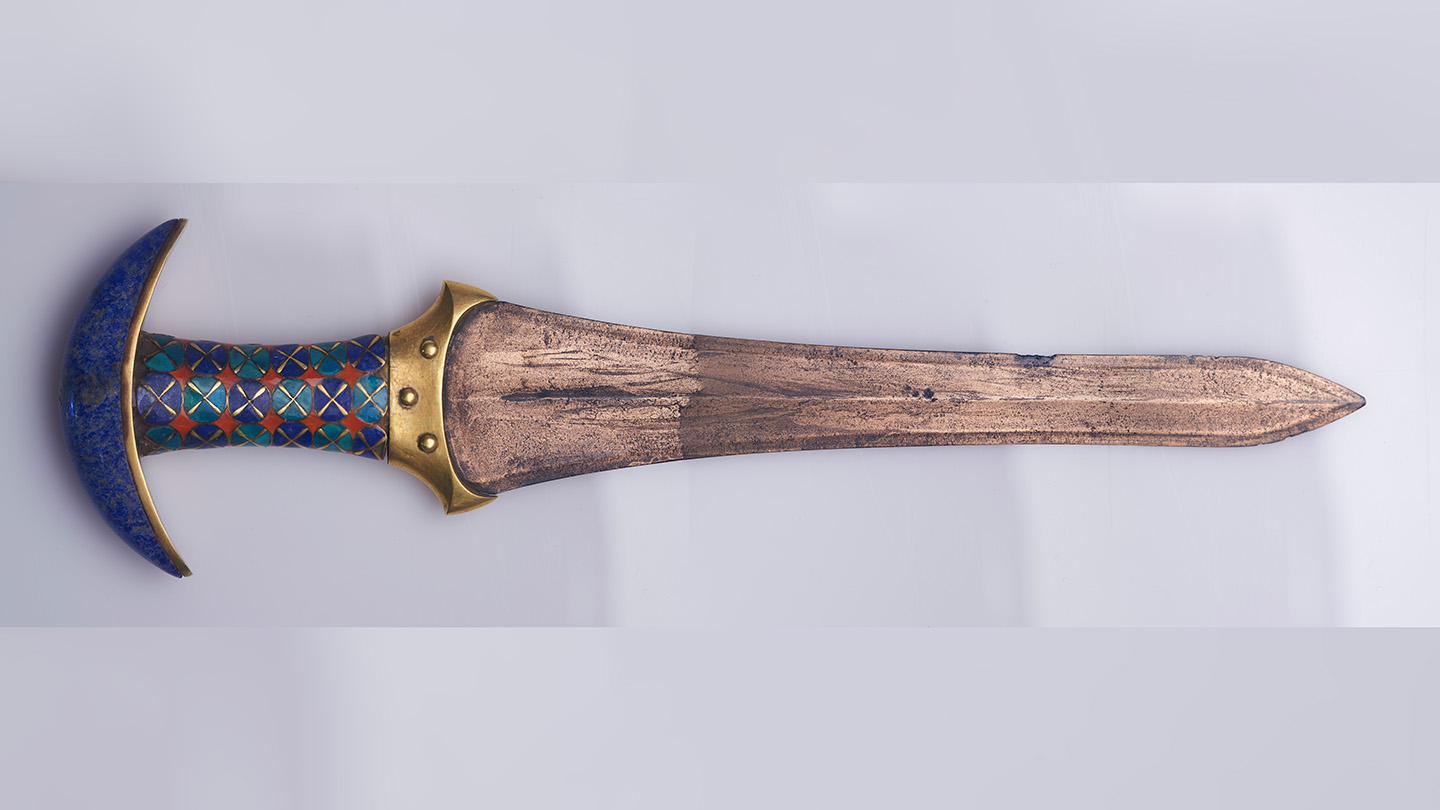
It seems the legend of the ancient warrior princess is far more than just a staple of modern action movies. Striking new archaeological research suggests that some royal Egyptian women from nearly 4,000 years ago were actually highly skilled in the deadly arts of combat, hunting, and physical warfare. By analyzing the mummified remains of ancient princesses, scientists have revealed that these women actively trained with, and mastered, the daggers, bows, and other weapons buried alongside them in their tombs. This discovery directly challenges long-held historical assumptions that often dismissed such weapons as mere symbolic or ornamental props meant only to accompany the women into the afterlife.
According to a detailed study published in Frontiers in Environmental Archaeology, bioarchaeologist Zeinab Hashesh of Egypt’s Beni Suef University explains that these princesses were robust practitioners of athletic and martial disciplines. For generations, traditional Egyptologists frequently downplayed find-sports and weaponry in female graves, classifying them as “token” items representing passive status. However, a modern re-examination of the physical mummies has turned this narrative on its head. The wear and tear on the women’s skeletons, alongside unique muscle development patterns, provide clear, undeniable proof that these royal figures lived remarkably active and physically demanding lifestyles.
The intriguing journey to this discovery began with six specific mummies excavated between 1894 and 1895 from the famous Dahshur funerary complex, located just south of Cairo. The original 19th-century excavations meticulously cataloged the tombs, which were filled with formidable impact weapons including maces, flails, and daggers. Unfortunately, after their initial discovery, the mummies were relocated to an Egyptian museum and subsequently misplaced in storage. They were widely feared to be lost to history for more than a century until researchers joyfully rediscovered them inside the museum vaults in 2020, allowing scientists to apply modern bioarchaeological tools to the remains for the first time.
Dr. Hashesh and her research team rigorously examined the recovered skeletons, measuring pristine bone structures to determine sex, age at death, and clues regarding their lifestyles. Through the use of X-rays and other advanced digital imaging techniques, they searched for indicators of physical trauma, chronic illness, and daily labor. Their findings beautifully vindicated the original handwritten field notes of the Victorian excavators. While one mummy was identified as a male pharaoh from the obscure 13th Dynasty, three were recognized as Ita, Khenmet, and Itaweret—daughters of the powerful 12th Dynasty pharaoh Amenemhat II, who ruled roughly between 1929 and 1895 B.C. The remaining female skeletons were identified as their royal sisters and close relatives.
What truly astonished researchers was the uniform physical evidence of a warrior lifestyle preserved in the royal women’s bones. All of the siblings shared a highly specific, inherited spinal abnormality, confirming their close genetic kinship. Even more telling were the exceptionally pronounced muscle attachments on their limbs—the specific areas where tendons connect muscle to bone. Skeletons adapt to physical stress by building denser bone in areas of repetitive tension. In the case of Princess Itaweret, heavily enlarged and thickened forearm bones revealed that she had spent her life repetitively drawing heavy archery bows, a feat requiring immense upper-body strength.
Furthermore, several of the princesses possessed bones with clear signs of healed fractures and physical trauma, likely sustained during rigorous military training, chariot falls, or high-octane hunting expeditions. This physical evidence demonstrates that these women were of an elite, athletic caliber, sharing the same disciplined training regimen as the royal men of their era. While some skeptical historians, like Egyptologist Nicholas Brown, note that princesses used bows in formal religious rituals, the sheer density of the physical wear on the bones points to a lifetime of habitual, rugged practice. Rather than keeping to the quiet, shaded confines of the palace, these ancient women actively commanded the battlefield and the hunting grounds, rewriting our understanding of female power in the ancient world.