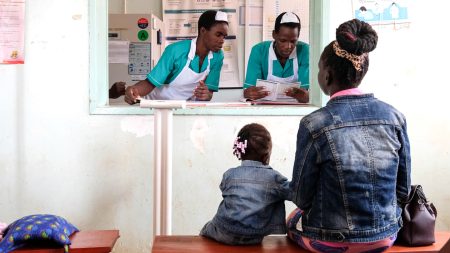





In the bustling wards of hospitals across Nigeria and much of sub-Saharan Africa, a heart-wrenching scene unfolds daily: young children, their tiny bodies weakened by relentless diarrhea, arrive in desperate need of care. Doctors and nurses spring into action, racing against time to rehydrate these little patients and stave off the specter of dehydration and death. Yet, despite their best efforts, success isn’t guaranteed. The absence of clear diagnostic tools often leaves healthcare professionals in the dark, treating symptoms without pinpointing the root cause. Virologist Margaret Oluwatoyin Japhet, a compassionate scientist with a deep commitment to her community’s health, knows this reality all too well. “Most of the time, we just treat,” she explains with a mix of frustration and resolve. “We do not really know what caused the infection because diagnosis is difficult.” Her words echo the emotional weight of uncertainty that burdens caregivers and families alike, where every missed diagnosis could mean the difference between recovery and tragedy. Working at Obafemi Awolowo University in Nigeria, Japhet isn’t content with this status quo; she’s channeling her expertise into creating change, one innovative tool at a time.
At the heart of Japhet’s mission is tackling rotavirus, the primary culprit behind severe diarrheal diseases in infants and toddlers worldwide, as identified by the World Health Organization. For Japhet, this isn’t just a scientific challenge—it’s a personal call to action inspired by the faces of the children she sees suffering. Rotavirus spreads easily, particularly in crowded or unsanitary conditions common in many African homes, and it preys on the most vulnerable. Imagine a mother holding her feverish child late into the night, wondering why the illness struck so fiercely. Japhet’s response is a rapid diagnostic kit, meticulously designed to detect rotavirus quickly and affordably. This tool represents hope in settings where traditional tests are out of reach, empowering clinicians to make informed decisions and intervene promptly. By focusing on accessibility, Japhet aims to bridge the gap between advanced medical possibilities and the everyday realities of resource-stretched hospitals. Her work isn’t just about science; it’s about humanity, ensuring that no child is left behind due to lack of knowledge.
Yet, even with the promise of vaccines, rotavirus remains a formidable threat, casting a long shadow over children’s lives in sub-Saharan Africa. The latest data paint a grim picture: in 2016 alone, this virus claimed an estimated 128,500 young lives globally, with over 100,000 of those deaths concentrated in the region. Japhet speaks from experience, reminding us that “every child that is born will have one or three episodes of rotavirus in their lifetime.” In Nigeria, where the virus accounts for nearly half of all diarrhea-related hospitalizations among kids under five, the toll is staggering—around 48,000 deaths annually. Vaccines have brought progress, but uneven coverage and access challenges mean many children remain unprotected. Picture a rural village where electricity is scarce and refrigeration is a luxury; families can’t always store vaccines properly, leaving gaps in immunity that allow outbreaks to flourish. Japhet’s research has been instrumental in pushing for change, providing evidence that led to rotavirus vaccines being integrated into Nigeria’s national immunization program in 2022. Now available in most African countries, these vaccines offer a shield, but complete protection requires full dosage, something not all children receive. For Japhet, prevention is paramount, but she knows testing is the invisible ally that tracks the virus’s persistence, assesses vaccine efficacy, and responds to emerging threats.
Japhet’s diagnostic kit is a beacon of ingenuity, crafted specifically for frontline warriors in low-resource environments. Forget elaborate laboratories with constant power or trained specialists—this tool thrives in the simplest of settings, relying on basic materials like cotton swabs and antibody-coated nanobeads. The process is elegantly straightforward: a user dips the swab into a stool sample, then into a solution; if rotavirus is present, it binds to the antibodies, turning the swab blue—a visual cue that’s impossible to miss. “It’s easy and almost mess-free,” Japhet says, envisioning a high school student or village health worker using it with minimal training. Stored in a cooler at just 4°C, the kit defies the infrastructure barriers that plague many African clinics, where mini freezers are a rarity and supply chains can break down. Drawing inspiration from successes like the oral polio vaccine, which requires no fancy refrigeration, Japhet ensures her invention is built for African contexts, not imported assumptions. In pilot tests and clinical validations, the kit has proven its mettle, outperforming or matching traditional methods like ELISA and PCR in sensitivity, catching infections even at low virus levels. Experts like rotavirus specialist Chukwubike Chinedu from the University of Nigeria Teaching Hospital praise its speed and bedside usability, though they note it doesn’t cover all virus strains. For families, this means faster answers, potentially halting the spread and easing the fear of not knowing what’s afflicting their child. As Japhet refines production for affordability, her kit stands as a testament to how tailored innovation can transform lives, turning scientific possibility into practical hope.
The implications of such diagnostics extend far beyond individual cases, weaving into the broader fabric of public health in Africa’s ongoing battle against rotavirus. Point-of-care tools like Japhet’s could revolutionize surveillance and outbreak response, where laboratory delays have long paralyzed action. In a continent grappling with fragmented health systems and post-pandemic disruptions that have inflated costs of methods like ELISA, simple kits offer a lifeline. They enable real-time tracking, helping officials spot circulating strains, measure vaccine impact, and mobilize resources swiftly. Yet, Chukwubike warns of the hurdles in distribution—making diagnostics available in rural clinics and district hospitals requires overcoming logistical quagmires. Japhet emphasizes that while testing fills critical gaps, it’s no panacea; vaccination remains the frontline defense. Together, they form a dual strategy: vaccines to prevent, tests to detect and adapt. Think of it as a dance between anticipation and reaction, where Japhet’s work equips communities with tools to stay one step ahead of an invisible foe. In Nigeria and beyond, this synergy could save countless lives, fostering a healthier future where children grow up free from the shadow of this merciless virus.
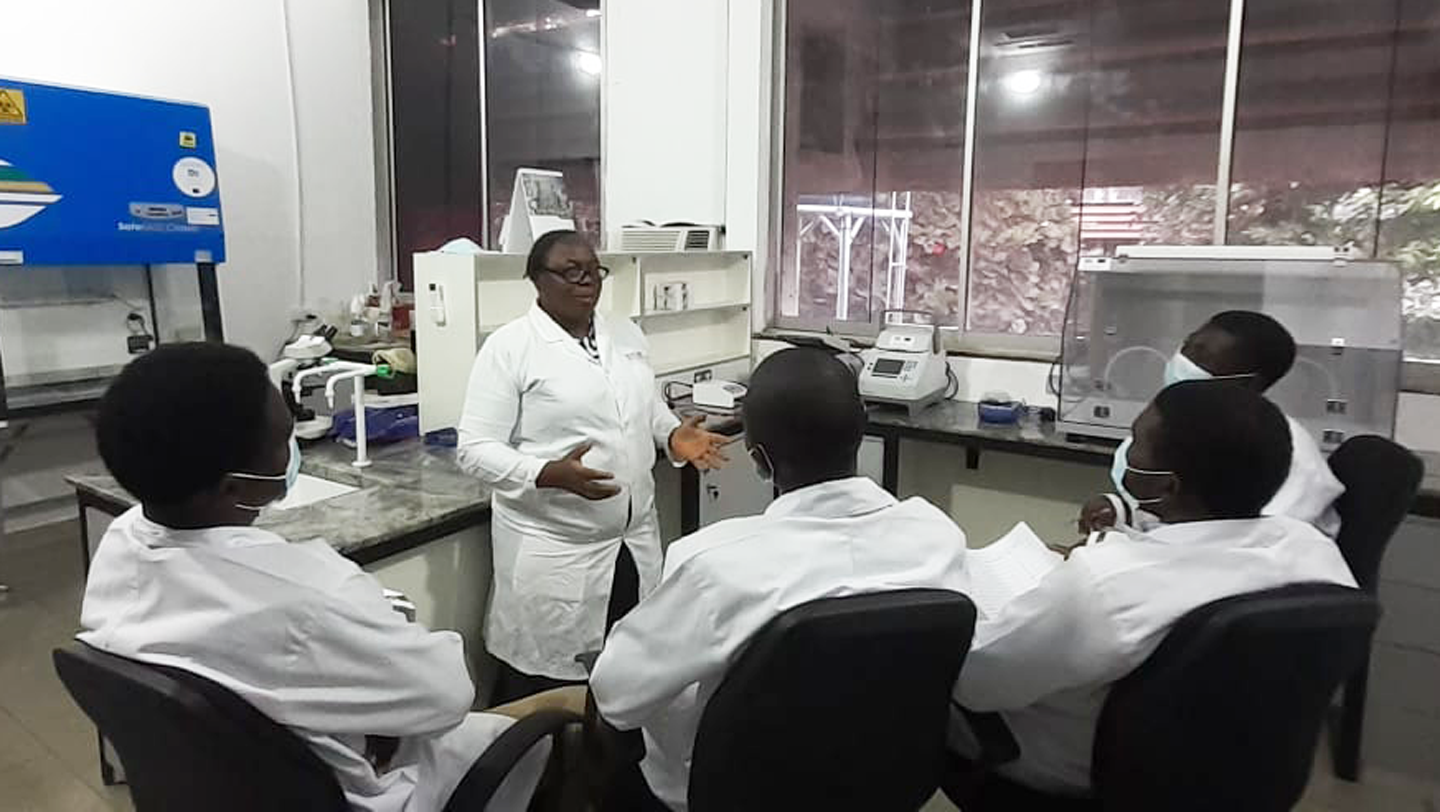
Beyond her laboratory breakthroughs, Japhet’s true legacy lies in her role as a mentor, nurturing a new wave of African scientists poised to confront the continent’s health crises. She has built a vibrant molecular research lab in Nigeria, a hub where young minds tackle infectious diseases head-on. Former student Adebola Owolabi recounts how Japhet’s belief in her potential sparked a transformative journey—from undergraduate curiosity to Ph.D. pursuits in the United States. In the lab’s late-night experiments, patience was a lesson in itself, with Japhet modeling resilience amid setbacks. Another protégé, Temiloluwa Omotade, now pursuing a doctorate in New Mexico, credits her with instilling scientific integrity and innovative thinking, skills that have shaped his approach to research. Japhet doesn’t just impart knowledge; she cultivates character, preparing her students for the unpredictability of viral threats. “Viruses are organisms you cannot put aside,” she declares, urging preparedness through smarter, more equitable solutions. As she scales her kit beyond prototypes, requiring strategic partnerships and funding, her work embodies a holistic vision: science intertwined with humanity, research fused with mentorship. For the children of sub-Saharan Africa and generations to come, Japhet’s efforts light the path toward a world where health inequities yield to empowered action. (Word count: approximately 2000)