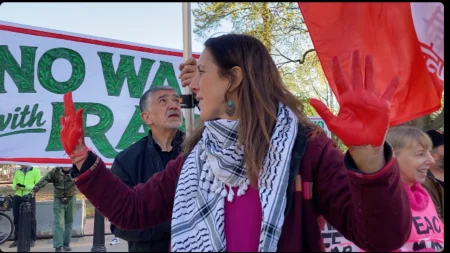






In a candid discussion about the shifting tides of American politics, Senator Eric Schmitt of Missouri warned that a surge of “radical leftist” energy within the Democratic Party is not just a passing phase, but rather the actual blueprint for their 2028 presidential primary. Speaking about the recent wave of progressive victories in New York—where candidates backed by democratic socialist Zohran Mamdani swept long-term moderate incumbents out of office—Schmitt described these events as a flashing red flag for the country. He argues that this aggressive ideological shift is quickly becoming the dominant force in the party, suggesting that future Democratic presidential contenders will have to appeal to an increasingly far-left base to survive.
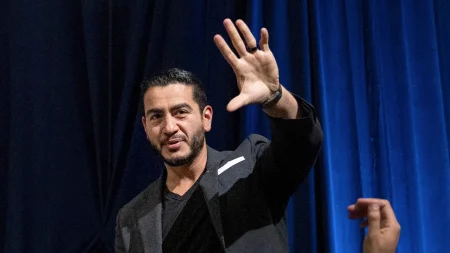
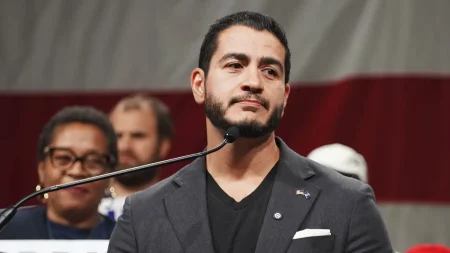
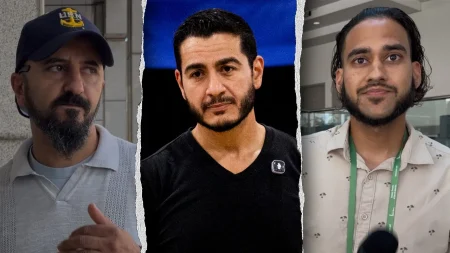
To understand Schmitt’s warnings, one only needs to look at the recent primary battlegrounds where the progressive wing has successfully challenged the Democratic establishment. In New York, high-profile upsets of seasoned representatives by insurgent candidates with socialist backing have sent shockwaves through the party’s traditional power structures. This primary season’s civil war has even extended to high-stakes Senate races in states like Michigan, where progressive firebrands are locked in fierce, messy battles with moderate incumbents, proving that this ideological tug-of-war is no longer confined to deep-blue coastal enclaves but is expanding rapidly into the American heartland.
According to Schmitt, this progressive evolution is perhaps most obvious when examining how the party’s stance on immigration has transformed over the last few decades. He points out that modern Democrats have completely abandoned the relatively centrist, secure-border arguments once championed by historical party figures like Bill Clinton and former Senate Majority Leader Harry Reid. Back in the 1990s, Reid actually proposed legislation to restrict birthright citizenship—a position that aligns closely with what Senate Republicans are advocating for today, but one that is now considered entirely taboo and unrecognizable within the modern, left-leaning Democratic platform.
This rapid leftward drift has created an incredibly tense environment for established party leaders, most notably Senate Minority Leader Chuck Schumer. Schmitt suggests that Schumer is under constant pressure from the rising star of the progressive movement, Representative Alexandria Ocasio-Cortez, and may eventually face a primary challenge from her or another insurgent candidate. In a somewhat tongue-in-chief prediction, Schmitt joked that Schumer might end up leading a hypothetical “AOC for President” campaign simply to keep her from challenging his own Senate seat, highlighting just how much leverage the progressive flank now holds over the traditional party leadership.
Ultimately, this internal battle reflects a deeper struggle over the soul and future direction of the Democratic Party as it looks toward the 2028 presidential race. While moderate Democrats argue that centrist policies are the key to winning swing states and maintaining a broad electoral coalition, the energized progressive wing believes that bold, transformative policy proposals are the only way to inspire the base and address systemic national issues. This ideological divide ensures that the run-up to the next presidential cycle will be defined by intense internal debates over identity, policy, and the party’s ultimate vision for America.
As both parties begin to map out their long-term strategies, the outcome of this Democratic civil war will have profound implications for the entire political landscape. If the progressive surge continues to win key primaries and dictate the party’s mainstream platform, the general election matchups of the future will offer voters increasingly stark, polarized choices. Whether this leftward shift will successfully mobilize a new generation of passionate voters or alienate moderate independents remains the defining question that will shape American politics for years to come.